
Trace of the Villa — a mansion mystery built around clue-driven investigation
Trace of the Villa places you in the shoes of Jin, a man whose years-long search for his missing sister leads to a remote, decaying mansion full of erased identities, locked rooms, and fragments of a larger operation. The game focuses on environmental storytelling and puzzle-led discovery as systems, safes, and hidden compartments restore pieces of a timeline that might point to whether his sister is still alive.

Quick facts
| Title | Trace of the Villa |
|---|---|
| Steam appid | 3483660 |
| Release date | 28 May, 2026 |
| Developer / Publisher | Steadyturtle Co., Ltd. |
| Genres | Action, Adventure, Indie |
| Key Steam categories | Single-player; Color Alternatives; Custom Volume Controls; Playable without Timed Input; Subtitle Options; Family Sharing |
| Official short premise | Jin has spent years searching for his missing sister, pursuing leads that took him to a remote, decaying mansion where he recovered manifests and hints that indicate his sister may still be alive, somewhere at the end of the trail he is about to follow. |
Who this is for
If you prefer story-first mystery design—where the environment is the primary narrator and each interaction reveals a fragment—you’ll likely want to wishlist Trace of the Villa. The game suits players who enjoy slow-burn suspense and atmospheric mystery adventure rather than constant combat or arcade pacing. Fans of investigative, narrative puzzle design who value subtler reveals and layered context over exposition should pay attention.
What the game actually is
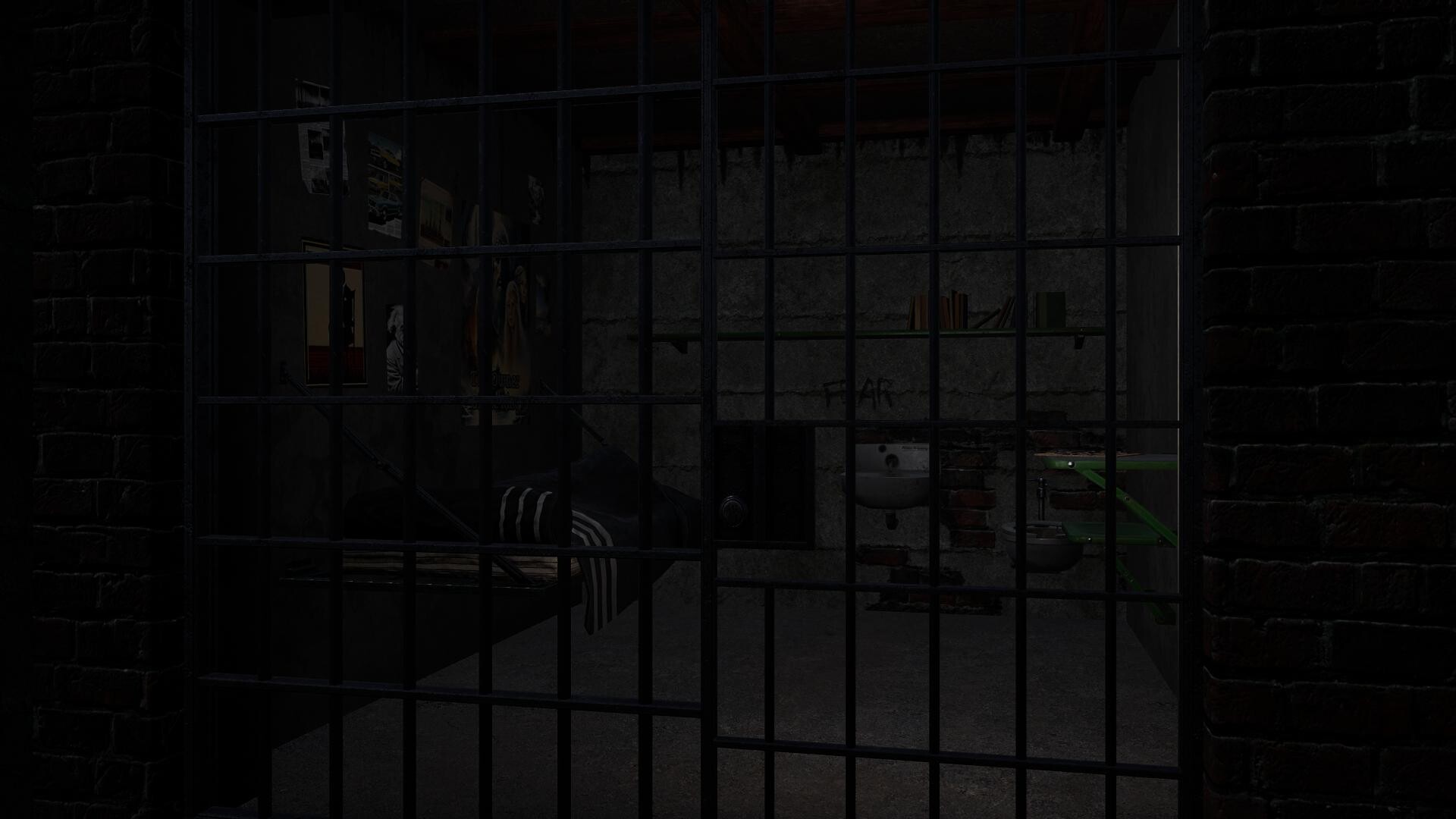
Trace of the Villa centers on Jin’s investigation inside a deliberately forgotten mansion. According to the official Steam description, the estate feels “less abandoned than erased”: furnished rooms frozen mid-routine, locked doors concealing secured secrets, and personal belongings that omit names and photos as if identities were removed. Restoring power triggers systems and unlocks compartments; safes and encrypted documents yield financial and identity fragments that point to a larger operation. The game is presented by Steadyturtle Co., Ltd. as an action-adventure indie with a strong narrative investigation core.
When and where
Trace of the Villa released on Steam on 28 May, 2026. It’s available on PC via its Steam store page (link below).
Why the theme matters: identity, erasure, and investigative tension
The mansion’s central conceit—people and histories deliberately removed—creates a particular kind of narrative curiosity. Rather than telling you what happened, the design invites you to treat each recovered manifest, log, or encrypted fragment as a clue that reframes earlier assumptions. That encourages a player mindset of active interpretation: you are not just solving discrete puzzles but assembling a social history stitched together from gaps.
How you uncover meaning (the clue-driven loop)
- Restore systems: power and secured systems returning online is a documented trigger in the official description—these unlock new interaction layers and narrative threads.
- Search furnished rooms: environmental storytelling provides the first layer of context—objects, layout, and missing personal artifacts prompt questions that later documents answer or complicate.
- Crack safes and decrypt fragments: solved puzzles yield manifest entries, suspicious transfer records, and falsified identities that build a financial and logistical picture of the mansion’s purpose.
- Piece together the timeline: each recovered record suggests arrivals, departures, and movements that were masked—players must decide how fragments link and what those links imply about Jin’s sister and the operation that erased identities.

Player scenarios — who will enjoy which parts
- Slow-burn storytellers: If you savor reading logs, reinterpreting scenes, and letting a narrative accrete slowly, Trace of the Villa’s erased-identities motif will reward patience.
- Puzzle-minded detectives: Players who enjoy environmental puzzles that gate narrative progression—power systems, safes, decryption—will find a steady loop of discovery followed by new context to investigate.
- Explorers of tone and atmosphere: If you prioritize mood—creaking floors, abandoned rooms, and the sense of inhabitation suspended in time—the mansion’s design aims to supply that tactile, uneasy atmosphere.
How Trace of the Villa compares to other story-forward mysteries
Below is a focused editorial comparison on lawful discovery criteria: genre, atmosphere, puzzle focus, exploration style, story tone, pacing, and likely player fit. This comparison is editorial, not a claim of superiority or endorsement.
| Title | Genre / Core focus | Atmosphere / Tone | Puzzle focus | Exploration style | Pacing / Player fit |
|---|---|---|---|---|---|
| Trace of the Villa | Action / Adventure / Indie — narrative investigation | Decayed mansion, erased identities, slow-burn suspense | Environmental puzzles, systems restoration, safes and encrypted fragments | Room-by-room exploration with systems unlocking new layers | Deliberate; for players who enjoy assembling story from fragments |
| Inscryption | Adventure / Indie / Strategy — card-driven odyssey | Inky, psychological horror with meta layers | Card mechanics that double as puzzles and narrative devices | Focused, often claustrophobic scenes tied to cards | Experimental, puzzle-meets-horror; for players who like mechanical mystery |
| Outer Wilds | Action / Adventure — open-world mystery | Wondering, cosmic curiosity; exploration-driven | Puzzles embedded in world mechanics and time loop systems | Open — solar-system scale, emergent discovery | Exploratory and patient; players who enjoy piecing together a systemic mystery (noted as critically acclaimed and named GOTY by multiple outlets) |
| Journey | Adventure / Indie — atmospheric traversal | Poetic, minimalist, contemplative | Light environmental puzzles and movement challenges | Linear but wide, visual-led exploration | Short, meditative; suited to players seeking tone and emotional resonance |
| The Forgotten City | Adventure / Indie / RPG — narrative time-loop mystery | Classical, investigative moral tension | Puzzles integrated with dialogue and time-loop mechanics | Focused area exploration with narrative branching | For players who enjoy moral puzzle design and story-driven consequences |
| The Medium | Adventure — psychological horror, dual-reality exploration | Dark, psychological, uncanny | Puzzles that use two-world mechanics and environmental clues | Location-based exploration with two overlapping realities | Players who like investigative horror and dual-realm puzzles |
Where to watch a trailer or gameplay (discovery)
If you want to see the mansion and its moments in motion, try a YouTube search for trailers and gameplay: Search Trace of the Villa trailer & gameplay on YouTube. This link is provided as a discovery path; it does not guarantee an official video in search results.
Leave a Reply