
Trace of the Villa — when silence and rooms tell the story
Trace of the Villa is a story-rich, slow-burn psychological investigation that trades cheap jump scares for environmental dread: you play Jin, following a lead to a remote, decaying mansion where manifests and hints suggest his missing sister may still be alive. Released 28 May, 2026 from Steadyturtle Co., Ltd., the game leans on furnished-but-erased rooms, secured systems that come back online, and fragmented documents to make a house itself feel like a reluctant narrator.

Quick facts
| Title | Trace of the Villa |
|---|---|
| Release date | 28 May, 2026 |
| Developer / Publisher | Steadyturtle Co., Ltd. |
| Steam AppID | 3483660 |
| Genres | Action, Adventure, Indie |
| Notable categories | Single-player; Color Alternatives; Custom Volume Controls; Playable without Timed Input; Subtitle Options; Family Sharing |
| Premise (official) | Jin has spent years searching for his missing sister, pursuing leads that took him to a remote, decaying mansion where he recovered manifests and hints that indicate his sister may still be alive, somewhere at the end of the trail he is about to follow. |
Who is this for?
This is for players who favor atmospheric mystery adventure over twitch reflex horror: people who enjoy environmental storytelling, clue-driven exploration, and narrative puzzle design. If you prefer decoding a house’s past by reading the arrangement of objects, restoring systems to reveal hidden records, and letting dread mount through silence and implication, Trace of the Villa is targeted at you. The Steam page lists accessibility features like subtitles, custom volume controls, and the ability to play without timed input, which helps players who value deliberate, unhurried investigation.
What the game is
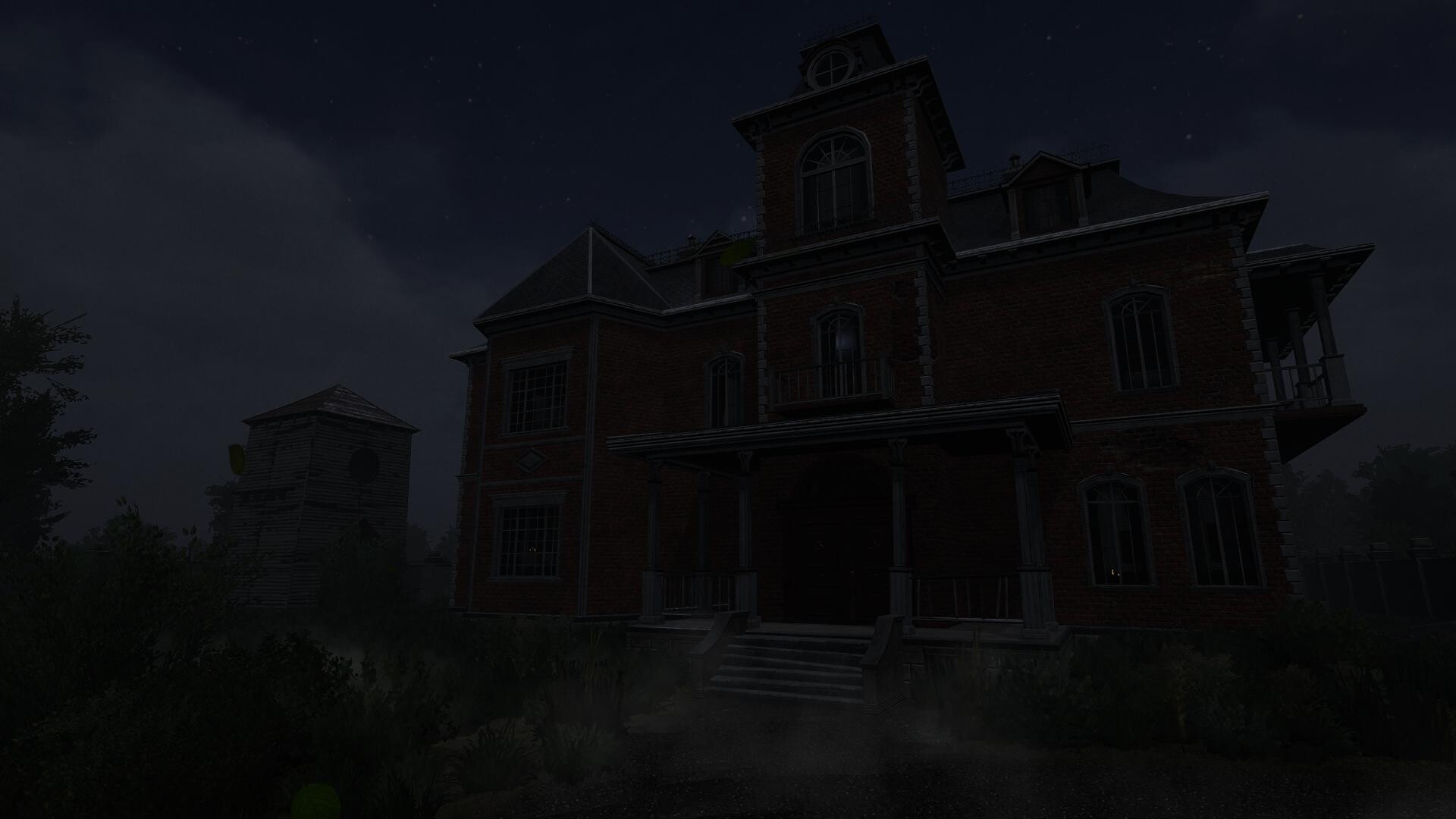
Trace of the Villa places you in a decaying, deliberately forgotten mansion. Official text and imagery emphasise that rooms appear furnished yet erased of identity: personal effects remain but there are no photographs or names, as if identities were removed. When Jin restores power, secured systems reboot, hidden compartments open, and safes yield fragments of encrypted documents and suspicious transfer records. The gameplay framing on Steam positions this as a mixture of exploration, puzzle discovery, and narrative reconstruction rather than a straight survival-scare loop.
When and where
Trace of the Villa was released on Steam on 28 May, 2026. It appears as a PC-focused Steam indie title developed and published by Steadyturtle Co., Ltd., with standard single-player support and accessibility options noted on the store page.
Why quiet tension and uncertainty matter
Psychological horror is often written as either noise (jump scares, reaction shocks) or quiet (sustained unease). Trace of the Villa opts for the latter: the mansion’s silences and oddly arranged rooms act like a slow metronome. Environmental dread—rooms that feel lived-in but logically inconsistent, power systems that reveal fragments of a concealed operation, and documents that point to masked movements—creates an ongoing expectation that something is unresolved. That uncertainty, kept taut, does more work than a single loud moment; it forces players to interpret gaps and to feel complicit in reconstructing histories the house resists revealing.
How you progress — clues, systems, and pacing
The Steam description makes clear the investigative loop: restore power, access secured systems, unlock hidden compartments, and piece together encrypted fragments and transfer records. Progress is driven by reading the environment and solving puzzles that expose another layer of the mansion’s operation. That design favors players who enjoy patient note-taking, cross-referencing manifests, and following financial or logistical trails suggested by recovered documents rather than fast-paced combat or timed escapes.
Official screenshots

Player scenarios — who should wishlist this
- Investigation-first players: you like cross-referencing notes, manifests, and encrypted fragments to form a timeline.
- Slow-burn suspense fans: you prefer atmospheric dread over jump-scare-heavy gameplay and enjoy pacing that rewards patient observation.
- Environmental storytellers: you appreciate room design that implies history and motive without explicit exposition.
- Accessibility-minded players: subtitle options, custom volume controls, and playable-without-timed-input categories make the experience suitable for those who need a measured pace.
How Trace of the Villa compares (editorial discovery)
Below is a compact editorial comparison to nearby psychological and exploration-focused titles. This is a context table to help you decide which style suits your preferences; it is not a statement of superiority or endorsement.
| Game | Setting / Atmosphere | Puzzle vs Survival Emphasis | Exploration Style | Story Tone | Pacing |
|---|---|---|---|---|---|
| Trace of the Villa | Decaying remote mansion; erasure of personal identity | Clue-driven puzzles, document recovery | Methodical, systems restoration and compartment unlocking | Investigative, conspiratorial, personal (Jin searching for his sister) | Slow-burn, uncertainty and sustained dread |
| Amnesia: The Dark Descent | Gothic, claustrophobic manor and underground spaces | Survival-horror with emphasis on immersion and avoiding dangers | First-person immersion and environmental discovery | Nightmarish, existential and bodily dread | Intense with spikes of terror amid exploration |
| SOMA | Underwater sci-fi facilities | Atmospheric survival with heavy narrative puzzles | Exploration of facility systems and AI revelations | Philosophical,
Steam pageView Trace of the Villa on Steam YouTube discoveryFor trailer and gameplay discovery, use YouTube search rather than relying on unverified embeds: Find Trace of the Villa trailer and gameplay searches on YouTube. CommentsMore posts |
Leave a Reply