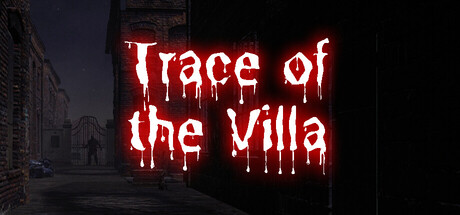
Trace of the Villa: why quiet tension and slow-burn suspense matter more than shock claims
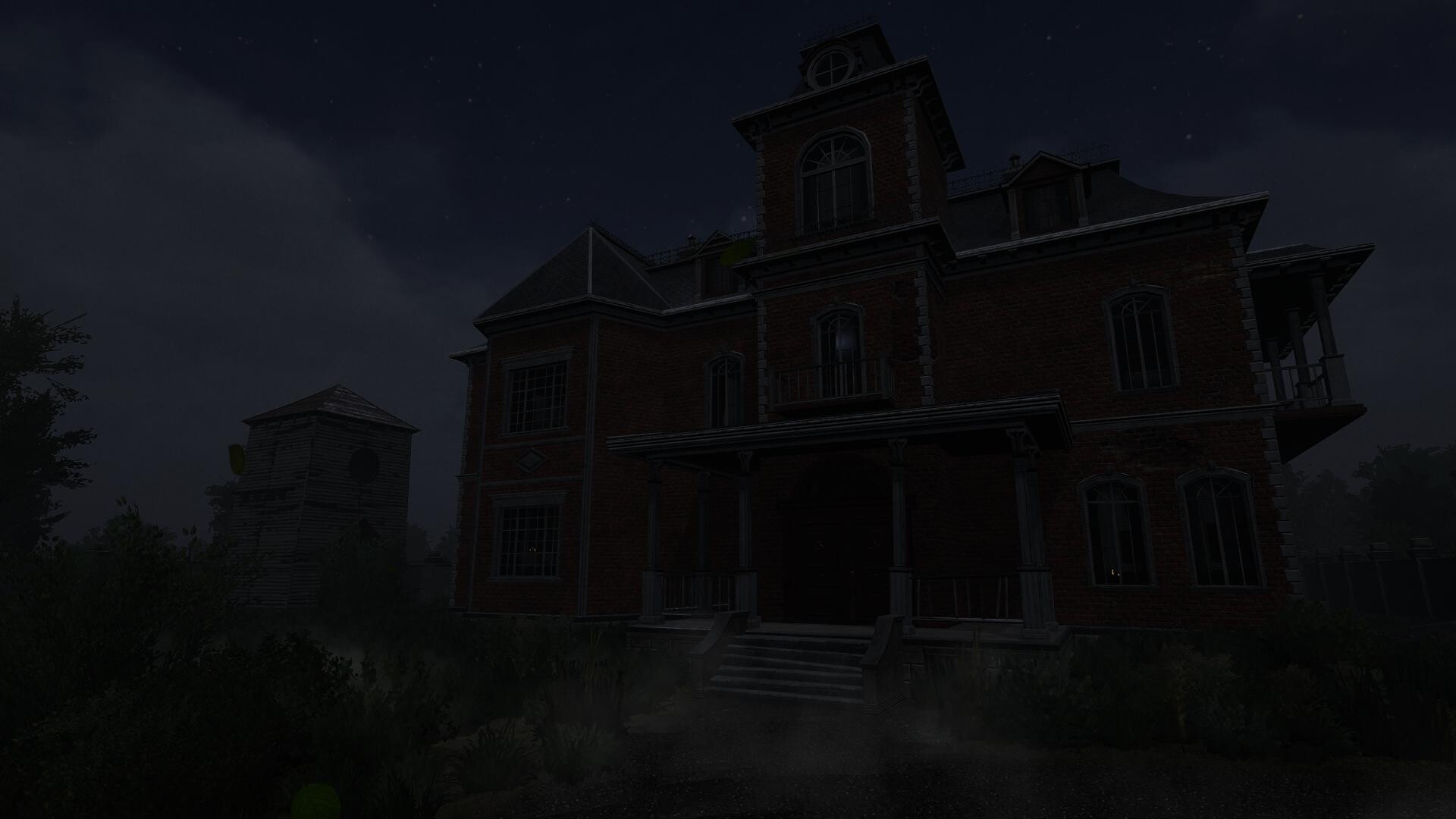
Trace of the Villa positions itself as a clue-driven, atmospheric mystery adventure: a personal search through a decaying mansion where the house itself tells you what happened. Its focus on environmental storytelling and methodical investigation favors long, tense build-ups over loud scares.

Who is this for?
If you prefer investigation that rewards patience—reading manifests, restoring systems, and assembling a timeline—Trace of the Villa will suit you. Players who enjoy atmospheric mystery adventure, environmental storytelling, and puzzle-driven progression (rather than frequent jump scares) should wishlist or pick this up on Steam. The protagonist, Jin, is a good anchor for those who want a character-led reason to explore every locked door.
What the game is
Trace of the Villa (Steam AppID 3483660) casts you as Jin, a searcher who follows leads to a remote, deliberately abandoned mansion. According to the official Steam text, the house “feels less abandoned than erased” and reveals its secrets when Jin restores power and unlocks hidden compartments, safes, and encrypted documents. The title is listed under Action / Adventure / Indie and comes with single-player and accessibility-friendly categories such as Subtitle Options and Custom Volume Controls.
| Title | Trace of the Villa |
|---|---|
| Steam AppID | 3483660 |
| Release date | 28 May, 2026 |
| Developer / Publisher | Steadyturtle Co., Ltd. |
| Genres | Action, Adventure, Indie |
| Categories | Single-player; Color Alternatives; Custom Volume Controls; Playable without Timed Input; Subtitle Options; Family Sharing |
| Short premise | Jin searches a decaying mansion for clues that his missing sister may still be alive; restoring power and decoding records reveals a concealed operation. |
When and where
Trace of the Villa released on 28 May, 2026 and is available on the Steam store. The Steam page carries the official short description and visual assets used in this piece; if you want to inspect the pages and screenshots yourself, the store listing is the canonical source.
Why quiet tension and uncertainty matter here
Psychological horror and tension games succeed two ways: through sudden shocks, or through sustained uncertainty. Trace of the Villa—built around a private investigation and the slow restoration of systems—leans into the latter. When a narrative hands you fragments (manifests, encrypted records, locked safes) rather than explicit answers, the player fills the gaps mentally. That persistent not-knowing breeds unease more effectively over hours than a handful of jump scares.
How you progress — mechanics tied to mood
The official description makes the loop explicit: restore power, reactivate systems, open hidden compartments, and read the material you uncover. Those actions are both puzzle mechanics and pacing tools: turning a generator on is a quiet victory; unlocking a safe yields a small narrative revelation. That interplay keeps discovery intimate and cumulative rather than explosive.
Specific player scenarios — who will get the most out of it
- The patient investigator: You enjoy reading every document, backtracking to connect clues, and letting tension build between discoveries. The mansion’s puzzles and locked histories give this player repeated rewards for careful observation.
- The story-first player: You want a reason to explore—Trace of the Villa centers motivation (Jin’s missing sister) and uses found records to advance the plot rather than rely on set-piece shocks.
- The atmosphere fan: If you prefer games that rely on lighting, sound design, and empty rooms to suggest dread rather than on scripted jump scares, this fits your tastes.
- The accessibility-minded player: The Steam page lists subtitle options, custom volume controls, and playability without timed input, which can be meaningful for players who need a more measured pace.
How it compares to nearby psychological horror and mystery titles
Below is a focused editorial comparison on lawful criteria—genre, atmosphere, puzzle focus, exploration style, story tone, and pacing—to help decide fit. These are editorial observations drawing from each game’s public positioning and descriptions.
| Title | Genre / Atmosphere | Puzzle & Exploration | Story Tone | Pacing / Player fit |
|---|---|---|---|---|
| Trace of the Villa | Action / Adventure / Indie — decaying mansion, investigative atmosphere | Clue-driven: restore power, open safes, read manifests; puzzle progress tied to narrative reveals | Personal, methodical investigation into a missing person and a concealed operation | Slow-burn; for players who prefer methodical discovery and environmental storytelling |
| Amnesia: The Dark Descent | Action / Adventure / Indie — immersive first-person survival horror | Puzzle and stealth elements supporting survival; inventory and light mechanics shape exploration | Nightmarish, immersive dread with a focus on helplessness | Intense and atmospheric; suits players who want immersion and frequent tension spikes |
| SOMA | Action / Adventure / Indie — sci-fi horror under the ocean | Puzzle and environmental puzzles integrated with narrative; philosophical framing | Existential and unsettling, questions identity and consciousness | Deliberate pacing with narrative emphasis; for players seeking story-heavy psychological horror |
| Layers of Fear (2016) | Adventure / Indie — shifting Victorian mansion, psychological | Environmental puzzles and changing spaces that reflect a fractured mind | Psychological descent tied to artistic obsession and madness | Variable pacing with surreal moments; fits players who want pronounced psychological instability |
| Poppy Playtime | Action / Adventure / Indie — horror/puzzle in an abandoned toy factory | Puzzle tools (e.g., GrabPack) used to manipulate environment and solve challenges | Playful-turned-menacing tone with clearer set-piece threats | More frequent scripted encounters; for players who want puzzle tools plus tense set-pieces |
YouTube discovery
If you want to see how Trace of the Villa looks in motion, search for trailers and gameplay on YouTube (use this discovery link rather than assuming a specific video is official): YouTube: Trace of the Villa trailer & gameplay search.
How to decide: choose Trace of the Villa if you prize investigative pacing, environmental detail, and narrative puzzle design over moment-to-moment shocks. If you prefer frequent, high-intensity scares or faster action loops, other titles in the comparison may align more with that preference.
Steam store link: Trace of the Villa on Steam
Referenced titles and trademarks belong to their respective owners; comparisons are editorial discovery, not endorsements. Information here uses the game’s official Steam page (release date, developer/publisher, genres, categories, and official description).
Leave a Reply