
Trace of the Villa — an estate-sized, clue-driven mystery where every restored circuit and unlocked safe rearranges the story
Settle into a slow-burn, mansion mystery built around environmental storytelling: Trace of the Villa casts you as Jin, a man following faint manifests and encrypted fragments through a decaying estate that may hold the last trail to his missing sister. Released 28 May, 2026 by Steadyturtle Co., Ltd., the game promises clue-driven exploration, puzzles that unlock new narrative layers, and an investigation that turns personal as the property shifts from “abandoned” to deliberately erased.

Who, what, when, where, why, and how — quick answers
Who it’s for
Players who prize story-first mystery design: those who want to read meaning from rooms, manifests, and power grids rather than from overt exposition. If you enjoy slow, investigative pacing and piecing together identity, transfers, and falsified records from environmental clues, this fits. The game is single-player and targeted at PC/Steam discovery audiences.
What the game is
Trace of the Villa is an action-adventure indie about Jin searching for his missing sister after a lead points to a remote, decaying mansion. Official Steam text describes a property that feels “less abandoned than erased,” where restoring power and unlocking secured systems reveals encrypted documents, suspicious transfer records, and a pattern of arrivals and departures masked by falsified identities.
When and where
Trace of the Villa released on 28 May, 2026 and is available on Steam. Developer and publisher credits both list Steadyturtle Co., Ltd.
Why the theme matters
The conceit of a house whose occupants’ identities have been removed creates a specific kind of narrative curiosity: players aren’t just solving puzzles—they’re reconstructing people. Clue-driven exploration here ties mechanical progress (restoring power, opening safes, decrypting manifests) directly to emotional stakes, because every discovery could change what Jin believes about where his sister might be.
How you uncover meaning and progress
According to the official description, progress is delivered by bringing the estate back to life: restoring power reactivates secured systems, hidden compartments appear, and safes reveal fragments of encrypted documents and suspicious transfer records. That pattern suggests gameplay loops focused on environmental repair, inventory of found documents, and puzzle solutions that unlock the next narrative breadcrumb rather than combat-heavy escalation.
Facts at a glance
| Title | Trace of the Villa |
|---|---|
| Steam AppID | 3483660 |
| Release date | 28 May, 2026 |
| Developer / Publisher | Steadyturtle Co., Ltd. |
| Genres | Action, Adventure, Indie |
| Key Steam categories | Single-player; Color Alternatives; Custom Volume Controls; Playable without Timed Input; Subtitle Options; Family Sharing |
| Official short premise | Jin searches for his missing sister following leads to a decaying mansion where manifests and hints indicate she may still be alive. |
How the mystery design shapes player behavior
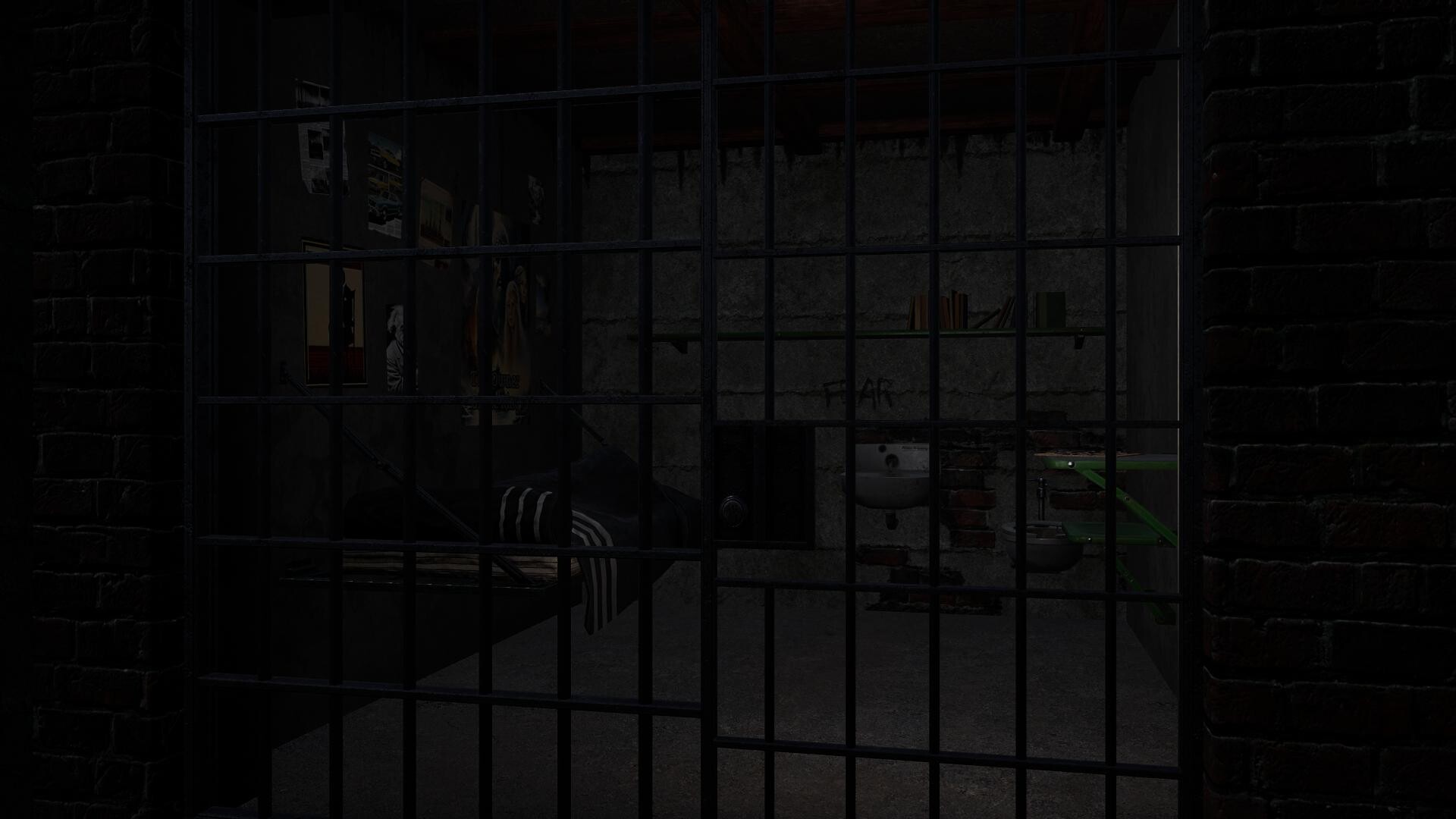
Trace of the Villa appears to center narrative curiosity on three complementary systems: environmental evidence (rooms kept as if mid-routine but missing names or photos), secured systems that reactivate when power returns, and fragments of financial/identity records that point to larger operations. That constellation encourages slow, attentive play: backtracking with new access, cross-referencing found manifests, and letting the mansion’s physical state dictate what you can infer. Design like this rewards players who annotate clues, test hypotheses, and accept that revelations will come in layers rather than from a single set-piece.

Player scenarios — who should wishlist it
- If you annotate and connect dots: You like to build timelines from receipts, manifests, and room arrangements. Trace of the Villa’s focus on falsified identities and financial trails looks tailored to that practice.
- If you prefer slow suspense: You enjoy slow-burn tension and narrative payoff over adrenaline combat. The mansion’s methodical reveal—power, safes, encrypted fragments—supports that pacing.
- If you want atmosphere and human stakes: The central search for a missing sister gives every clue an emotional valence; discoveries change not just the plot but what Jin believes.
- If you avoid twitch mechanics: The Steam categories include “Playable without Timed Input” and accessibility options like subtitles and color alternatives, suggesting an experience designed for thoughtful play.
How it compares to nearby story-rich mysteries
Below is a compact editorial comparison on lawful criteria: genre, atmosphere, puzzle focus, exploration style, story tone, and pacing. These are intended to help readers decide which mystery-adjacent game matches their tastes.
| Title | Primary focus | Atmosphere / tone | Puzzle / exploration | Suggested player fit |
|---|---|---|---|---|
| Trace of the Villa | Clue-driven mansion investigation (search for missing sister) | Claustrophobic, erased identities, slow suspense | Restore systems, unlock safes, decrypt manifests; environment-as-evidence | Players who want narrative payoff tied to forensic-style discovery |
| Inscryption | Card-based, meta-horror experience | Bleak, unsettling, metafictional | Deckbuilding plus escape-room puzzles and narrative secrets | Players who like mechanical twists and layered meta-narratives |
| Outer Wilds | Open-world cosmic mystery | Wonderous, melancholic, exploratory | Environmental puzzles across a solar system; discovery-driven | Players who prefer open exploration and emergent timelines |
| Journey | Atmospheric exploration and emotional progression | Soaring, contemplative, non-verbal | Minimalist puzzles; traversal and discovery | Players who favor mood and nonverbal storytelling over explicit mystery |
| The Forgotten City | Narrative-driven mystery with time-loop mechanics | Ancient, moral, investigative | Puzzles entwined with narrative choices and loop mapping | Players who like narrative puzzles affecting large-scale outcomes |
| The Medium | Psychological horror with dual-reality exploration | Dark, reflective, supernatural | Puzzle-solving across two planes to advance story beats | Players who want psychological themes and realm-based mechanics |
Practical notes from the Steam listing
Trace of the Villa is listed under Action, Adventure, and Indie. Steam categories note single-player, color alternatives, custom volume controls, subtitle options, family sharing, and that it is playable without timed input. The Steam AppID is 3483660 if you want to pin the store page for later reference.
YouTube discovery
If you want to see trailer or gameplay clips, search YouTube with this URL: Trace of the Villa trailer/gameplay on YouTube. This link is a discovery path rather than a verified official video pointer.
Decide if you should wishlist
Wishlist Trace of the Villa if you enjoy narrative puzzle design where the act of uncovering evidence is the primary reward, and if you prefer atmosphere and slow-building revelations over immediate action. If you want more open exploration or mechanics-driven surprises, compare it against titles like Outer Wilds or Inscryption to match the exact balance of exploration versus mechanical novelty you prefer.
View Trace of the Villa on Steam
Referenced titles and trademarks belong to their respective owners; comparisons are editorial discovery only.
Leave a Reply