
Trace of the Villa: A clue-first mansion mystery for methodical puzzle players
Trace of the Villa asks players to slow down and read a house like a witness statement: Jin’s search for his missing sister unfolds through manifests, locked safes, and the recovered traces of lives interrupted. Released 28 May, 2026 by Steadyturtle Co., Ltd., the Steam listing frames this as an atmospheric mystery adventure that emphasizes environmental storytelling and document-based puzzle work over action-heavy pacing.

Quick facts: Trace of the Villa
| Title | Trace of the Villa |
|---|---|
| Steam appid | 3483660 |
| Release date | 28 May, 2026 |
| Developer / Publisher | Steadyturtle Co., Ltd. |
| Genres | Action, Adventure, Indie |
| Steam categories | Single-player; Color Alternatives; Custom Volume Controls; Playable without Timed Input; Subtitle Options; Family Sharing |
| Short premise | Jin follows leads to a remote, decaying mansion where manifests and hints suggest his sister may still be alive. |
| Steam reviews (public summary) | No user reviews |
Who this is for
If you enjoy slow-burn suspense, careful evidence-gathering, and reading objects and documents as the primary gameplay loop, Trace of the Villa is aimed at you. This is not a twitch action thriller; the Steam page positions it as an environmental, narrative-led investigation—best suited to players who prefer patient puzzle solving, atmospheric exploration, and piecing together story from fragments.
What the game is
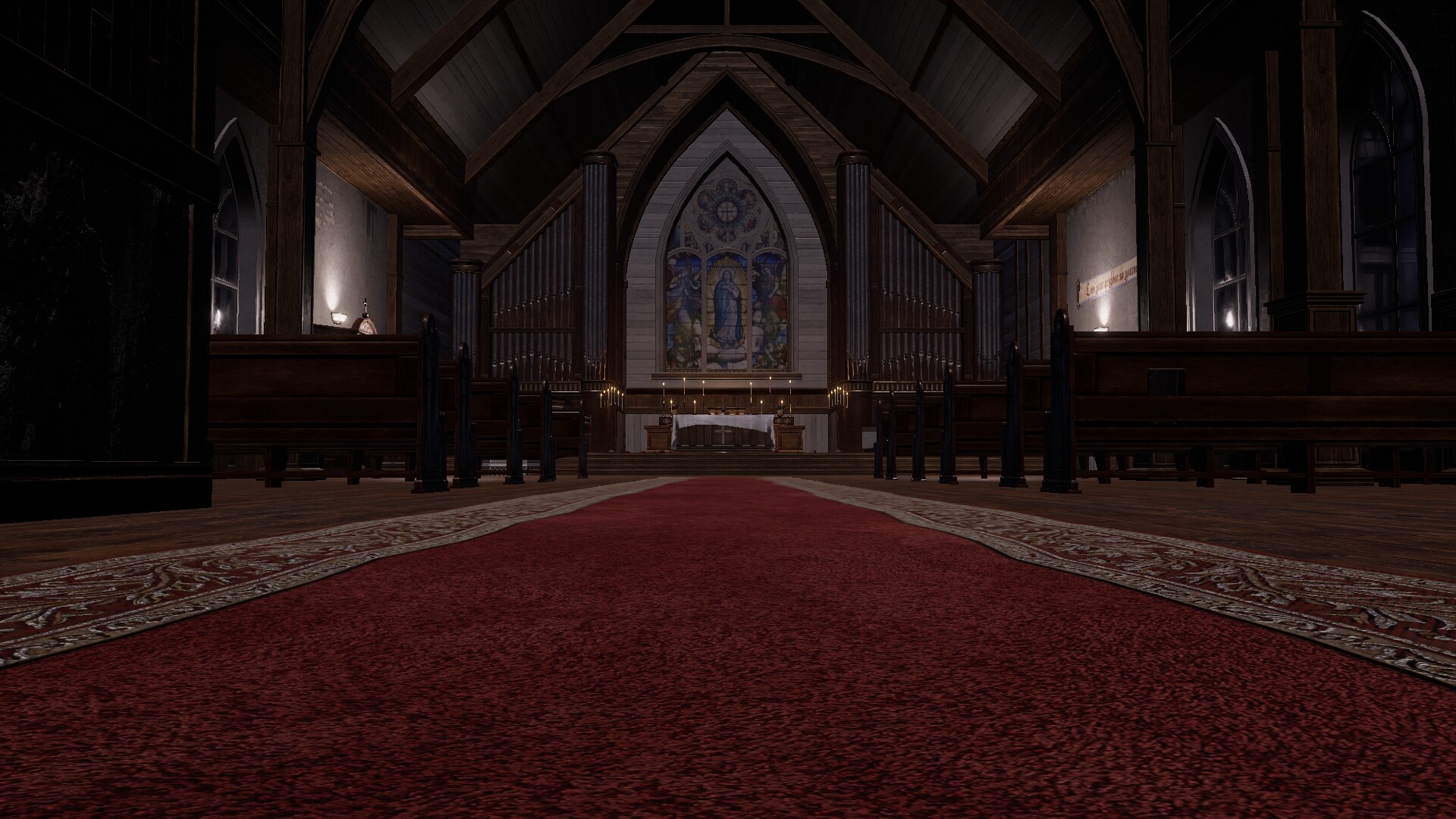
Trace of the Villa places protagonist Jin in an off-grid mansion whose occupants appear to have been erased rather than simply having left. The official description highlights restored power, locked doors, hidden compartments, safes and fragments of encrypted documents; each recovered item adds to a financial and identity trail that suggests the house served a more organized, darker purpose than a typical residence. The game blends adventure and investigative beats with object logic and documentary clues.
When and where
Trace of the Villa is available on Steam for PC, released 28 May, 2026. The listing includes accessibility and comfort-minded options such as subtitle options, alternatives for color, and the ability to play without timed input—details that matter for players who prefer measured pacing over forced reflex checks.
Why the theme matters
Mansion-mystery stories succeed when every object feels like testimony. Here, the thematic hook—searching for a missing sister—makes clue-reading emotionally consequential: every ledger entry, encrypted fragment, and restored system is not just a gate to the next room but also a piece of a personal timeline. That narrative focus steers the design toward puzzles that reveal motive and method rather than merely testing dexterity.
How you read clues and progress
- Environmental storytelling: Rooms look lived-in yet scrubbed of names and photos; atmosphere and placement of items guide inference.
- Object logic: Keys, safes and compartments return discrete items that connect to manifests and transfer records—puzzles are often inventory- and document-driven rather than combat or action sequences.
- Systems restoration: The description notes restoring power and bringing systems back online to reveal new layers; progression frequently hinges on toggling estate systems to unlock traces and evidence.
- Puzzle tone: The emphasis is investigative and methodical—players read patterns in financial trails and falsified identities to assemble the larger picture.

Player scenarios: should you wishlist it?
- Choose this if you like investigative pacing where solving a safe or deciphering a manifest carries narrative weight—players who enjoy methodical detective work and atmospheric silence will find a match.
- Skip this if you want fast-paced combat or heavy action; the Steam tag and description make clear progression revolves around puzzles, documents and exploration rather than reflex challenges.
- Ideal for those who appreciate accessibility options—subtitle support, color alternatives and no-timed-input settings make the experience better for patient, thoughtful play.
How it compares to nearby puzzle and mystery games
Below is a short editorial comparison focused on puzzle focus, atmosphere and pacing so you can decide what fits your preferences.
| Title | Puzzle focus | Atmosphere / Story | Exploration / Pacing | Player fit |
|---|---|---|---|---|
| The Room | Tactile safe-and-box puzzles; single-object problem solving | Focused, mysterious invitation to an isolated space | Intimate, puzzle-box pacing—shorter, tightly-structured scenes | Players who like hands-on, contained puzzle design |
| The Room Two | Extended tactile mechanisms and layered apparatus puzzles | Cryptic and atmospheric; broader locations than the first | Measured pacing with successive, escalating puzzle encounters | Players who enjoy escalating mechanical complexity |
| Escape Simulator | Highly interactive escape-room mechanics; physics and object interaction | Playful, room-by-room themes rather than single-story mystery | Faster, room-centric sessions; supports co-op | Players who want tactile interaction and social puzzles |
| Unpacking | Zen, item-placement and observational puzzles | Quiet, domestic storytelling through possessions | Relaxed, contemplative pacing focused on inference | Players who
Steam pageView Trace of the Villa on Steam YouTube discoveryFor trailer and gameplay discovery, use YouTube search rather than relying on unverified embeds: Find Trace of the Villa trailer and gameplay searches on YouTube. CommentsMore posts |
Leave a Reply