Trace of the Villa: who should wishlist this slow-burn mansion mystery
Trace of the Villa drops you into a decaying, off-grid mansion as Jin, a man following leads that suggest his missing sister may still be alive. If your idea of a mystery is careful environmental evidence, methodical forensics and slow, clue-driven investigation rather than jump scares, this Steam indie is worth a close look.

Quick facts
| Title | Trace of the Villa |
|---|---|
| Release date | 28 May, 2026 |
| Developer / Publisher | Steadyturtle Co., Ltd. |
| Genres | Action, Adventure, Indie |
| Steam categories | Single-player; Color Alternatives; Custom Volume Controls; Playable without Timed Input; Subtitle Options; Family Sharing |
| Short premise | Jin searches a remote, decaying mansion for clues that his missing sister may still be alive. |
Who should consider Trace of the Villa?
Trace of the Villa is aimed at players who prize atmosphere and methodical unraveling over adrenaline. Recommended reader profiles include:
- Players who enjoy atmospheric mystery adventure and story-rich detective work in a single-player setting.
- Those drawn to environmental storytelling—reading rooms, power systems and physical traces to reconstruct past events.
- Investigative players with a forensic curiosity: people who take satisfaction from following paper trails, restoring power and unlocking hidden compartments rather than fast action or frequent combat.
- Fans of slow-burn suspense who prefer pacing that lets details accumulate and meanings shift as systems come back online.
What the game actually is
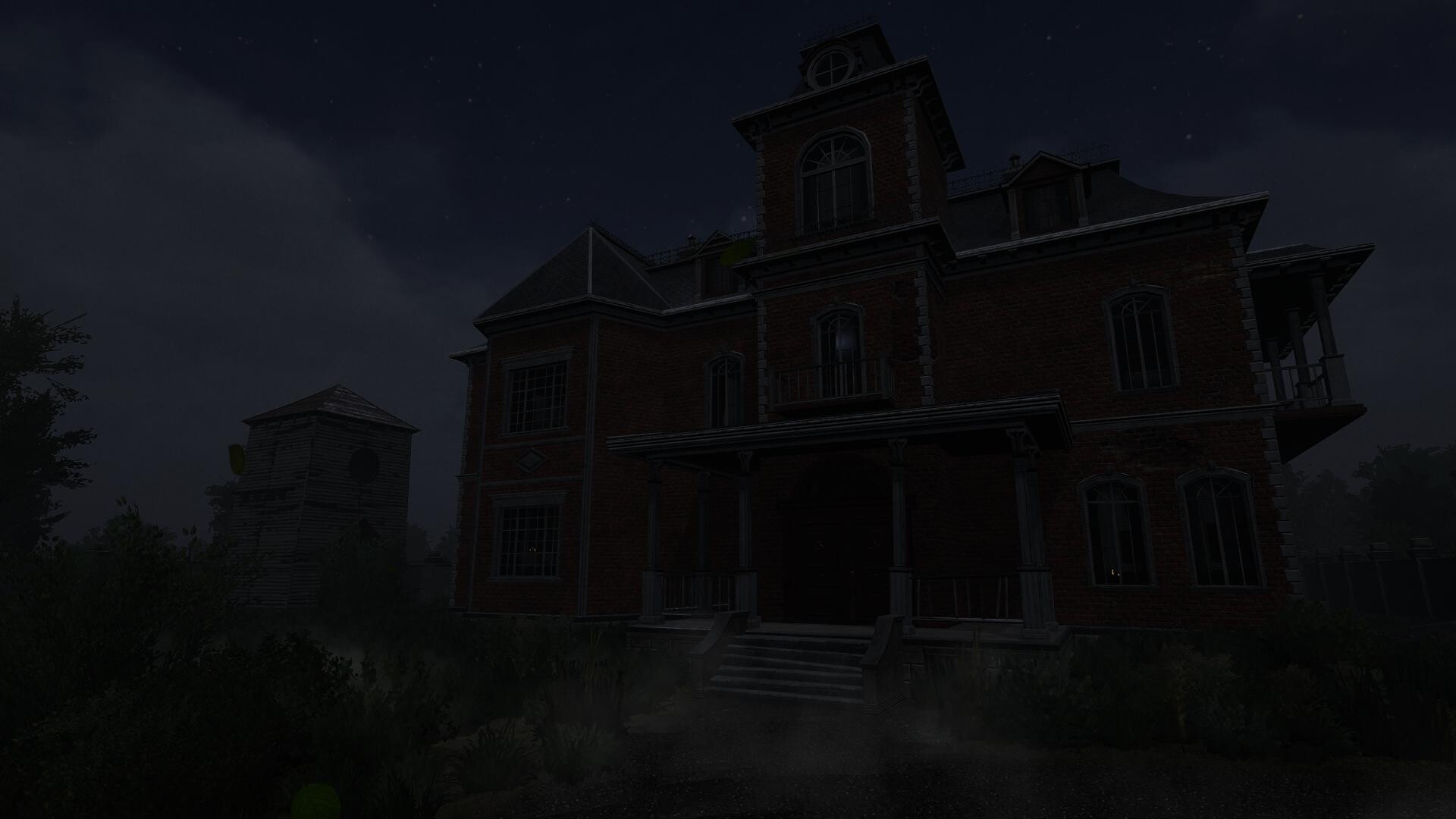
According to its Steam page, Trace of the Villa places you in a deliberately forgotten estate where rooms look as if occupants vanished mid-routine. Jin recovers manifests, encrypted documents and suspicious transfer records as he restores power and lets the house reveal its concealed operation. The game leans on puzzle-driven exploration and environmental evidence to advance a plot about falsified identities and disappearances.
When and where to get it
Trace of the Villa is available on Steam with a release date listed as 28 May, 2026. The Steam product page and widget below provide purchase and wishlist options for PC players.
Why the mansion/forensic theme matters
Mansion mysteries work well when the setting itself is an active source of clues. Trace of the Villa frames the house as evidence: furnishings left in place, secured systems that can be reactivated, safes and encrypted files. For players who enjoy reconstructing timelines from objects and systems, that approach deepens the investigative loop—every restored device or unlocked document changes how you interpret earlier observations.
How you progress — reading the environment
Progress is presented as a sequence of slow reveals. Restoring power and accessing secured systems are explicit beats that convert the environment into new sources of information. Instead of motion-heavy chase sequences, the game’s forward motion comes from interpreting manifests, examining transfer records and following the trail Jin uncovers through locked doors, hidden compartments and system logs.
Player scenarios — who will get the most from the pacing and design
- Quiet investigator: You prefer slow sessions where each clue is digested carefully. Trace of the Villa’s methodical beat rewards note-taking and backtracking when new systems unlock.
- Evidence-first detective: You appreciate “forensic” details—manifests, transfer records, and encrypted fragments—that build a financial and procedural backstory to the disappearances.
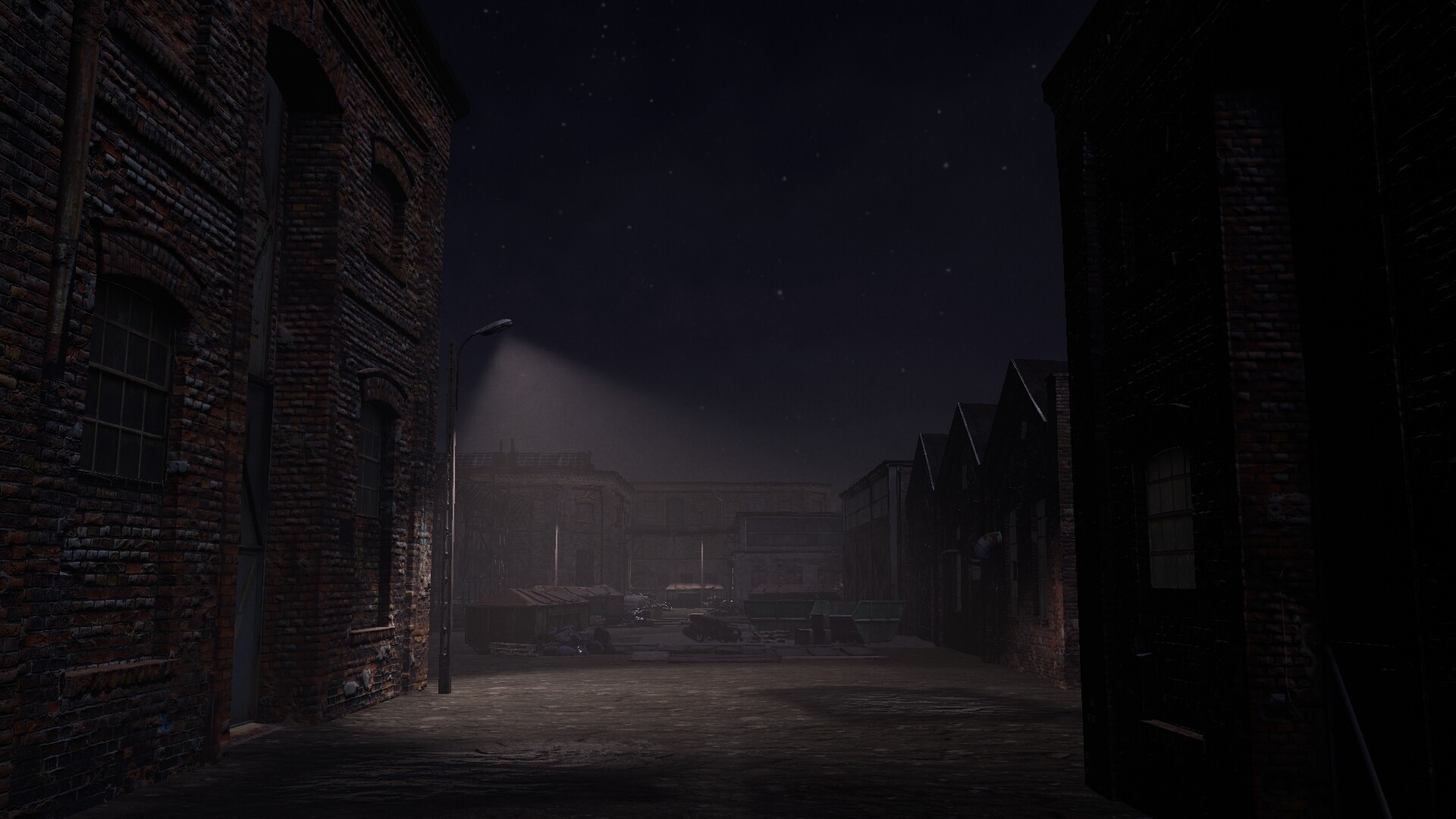
- Atmosphere seeker: You enjoy mansion mysteries where environment and lighting create tension more than combat mechanics or jump scares.
- Puzzle-adjacent explorer: You want puzzles that are integrated into the setting (restoring power, opening safes, decoding documents) rather than abstract brainteasers divorced from the story.
How it compares to similar mystery/adventure titles
The following comparison is editorial, based on genre, atmosphere, puzzle focus, exploration style, story tone and pacing as published for each title.
| Title | Core focus | Atmosphere / Tone | Puzzle / Exploration | Pacing |
|---|---|---|---|---|
| Trace of the Villa | Mansion investigation; evidence and system restoration | Decaying, erased-identity estate; melancholic and unsettling | Document examination, safes, secured systems; environmental clues | Slow-burn; methodical progression |
| Amnesia: The Dark Descent | First-person survival horror focusing on immersion and dread | Claustrophobic, nightmare-driven | Exploration tied to survival and avoidance; atmospheric puzzles | Relentless tension with surges of panic |
| SOMA | Sci-fi horror exploring existence and identity | Submerged, existential, unsettling | Environmental storytelling with narrative-driven problem solving | Measured, narrative-led with episodic spikes |
| Layers of Fear (2016) | Psychological horror in a shifting Victorian mansion | Surreal, painterly dread | Room-based puzzles that blend with changing architecture | Variable; often disorienting rather than methodical |
| The Room | Focused mechanical puzzle box experiences | Mysterious, intimate | Intricate tactile puzzles with tight, self-contained rooms | Compact, puzzle-centric sessions |
| Rusty Lake Hotel | Point-and-click puzzle adventure with dark, surreal themes | Odd, gothic and surreal | Short, vignette puzzles emphasizing mood and timing | Paced around short chapters; brisker than slow-burn mysteries |
Should you wishlist it?
Wishlist Trace of the Villa if you want an atmospheric mystery adventure built around reading evidence and restoring agency to a sealed estate. If you prefer fast action, dense combat systems or frequently shifting gameplay styles, the game’s slow investigative cadence may not match your tastes.
Where to look for trailer or gameplay clips
Search YouTube for trailers or gameplay footage to see pacing and presentation before buying: Trace of the Villa — YouTube search.
View Trace of the Villa on Steam
Legal & editorial note
Referenced release date, developer/publisher, genres, categories and official premise are taken from the game’s Steam page. Comparisons to other titles are editorial, based on publicly available genre and description data. Referenced titles and trademarks belong to their respective owners; comparisons are editorial discovery only and not endorsements or sponsorships.
Leave a Reply