
Trace of the Villa — an inspection-driven mansion mystery for clue-minded players
Trace of the Villa is a slow-burn, atmospheric mystery adventure that asks you to read rooms the way a detective reads people: through possessions, wiring, and the traces left behind. Developed and published by Steadyturtle Co., Ltd., it places protagonist Jin in a decaying mansion where restored power and careful inspection unlock a chain of encrypted documents, hidden compartments, and a story that resolves only when you follow evidence step by step.

| Title | Trace of the Villa |
|---|---|
| Developer / Publisher | Steadyturtle Co., Ltd. |
| Genres | Action, Adventure, Indie |
| Key categories / features | Single-player; Color Alternatives; Custom Volume Controls; Playable without Timed Input; Subtitle Options; Family Sharing |
| Release date | 28 May, 2026 (on Steam) |
| Steam appid / Store | Trace of the Villa on Steam |
Who this is for
Trace of the Villa will appeal to players who prefer environmental storytelling and methodical clue chains over timed reflex challenges. If you enjoy reading furniture layouts, inventory details and electronic systems as narrative evidence—players of slow-burn suspense, narrative puzzle design, and mansion mystery scenarios—this one’s aimed at you. The Steam categories that accompany the game — single-player, subtitle options, and no timed input — also suggest a paced, inspection-first experience that values careful observation.
What the game is
Official copy frames Trace of the Villa as a story-centered investigation: Jin, the protagonist, follows a lead to a remote, decaying mansion where signs of past occupancy are “unmistakable… and deeply unsettling.” Restoring power unseals systems, locks, and safes that yield fragments of encrypted documents and suspicious transfer records. The stated arc centers on uncovering a carefully concealed operation and a trail that may lead to Jin’s missing sister.
When and where it’s available
Trace of the Villa released on 28 May, 2026 and is available on Steam for PC. The Steam store page lists the developer and publisher as Steadyturtle Co., Ltd. and shows the official visual assets and screenshots linked above for players to inspect before purchase.
Why the theme matters — object logic and erased identities
The mansion-as-clue-matrix concept matters because it places narrative weight on objects and their arrangements. The official description emphasizes rooms left “as if their occupants vanished mid-routine,” with identities removed and records falsified. That supports a design where object logic—the functional relationships between keys, safes, wiring and documents—drives both puzzles and storytelling. For players who enjoy environmental puzzles and psychological investigation rather than jump scares, that approach delivers story through discovery, not exposition.
How you read clues and progress
Based on the Steam description, progression in Trace of the Villa hinges on inspection and chained deductions: restore power, bring systems online, find hidden compartments, decrypt fragments, and follow financial and identity clues that lead to new areas or locked systems. That sequence suggests puzzle design centered on environmental detail, object combinations, and gradual narrative reveal rather than reflex tests or time pressures—consistent with the game’s “Playable without Timed Input” tag.

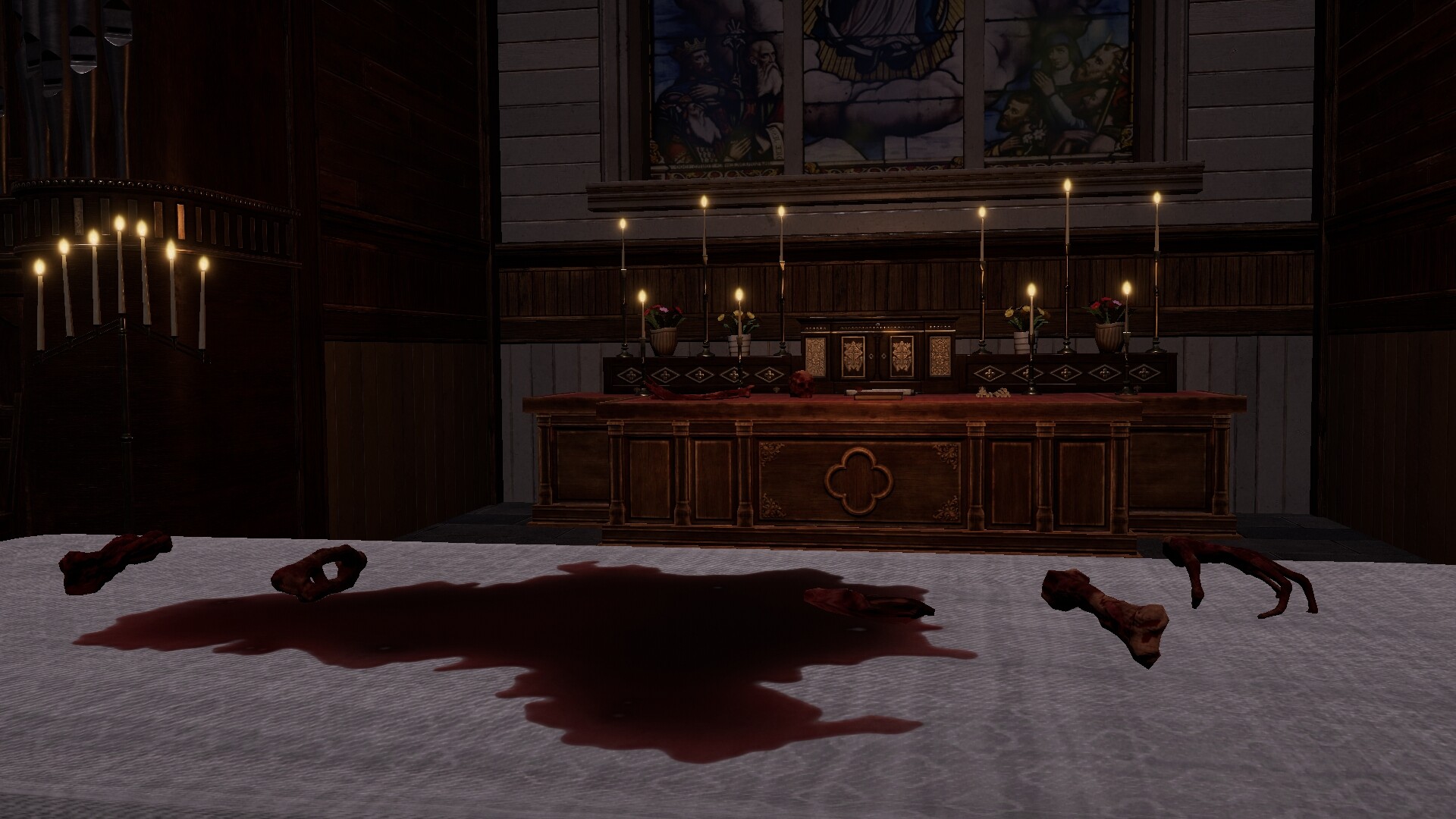
Player scenarios — examples that make the case
- Inspection-first player: You slow down, read labels, cross-reference documents and enjoy when a small detail in one room unlocks a safe two rooms away. This game aligns well with that playstyle.
- Story-focused explorer: You want a story revealed through items and systems rather than cutscenes. The premise—restoring power to reveal hidden records—suggests narrative through discovery rather than cinematic exposition.
- Speedrunner / combat-focused player: If you prefer fast-paced action or heavy combat mechanics, the game’s focus on environmental puzzles and “Playable without Timed Input” indicates it’s not primarily designed for that audience.
How it compares — editorial table
| Title | Core genre / tone | Puzzle focus | Exploration style | Player fit |
|---|---|---|---|---|
| Trace of the Villa | Action / Adventure; atmospheric mansion mystery | Object logic, environmental puzzles, inspection-heavy | Slow, methodical room-by-room reconstruction | Players who like clue-driven narrative and forensic-level detail |
| The Room (series) | Adventure / Indie; tactile puzzle box atmosphere | Single-object mechanical puzzles and inspection | FocusedYouTube discoveryFor trailer and gameplay discovery, use YouTube search rather than relying on unverified embeds: Find Trace of the Villa trailer and gameplay searches on YouTube. Reader decision checklistUse this checklist before deciding whether Trace of the Villa belongs on your Steam wishlist. The game is most relevant if you enjoy reading environmental evidence, following document trails, inspecting rooms for small inconsistencies, and letting a mystery unfold through objects rather than exposition. It is less about instant spectacle and more about the slow pressure of a place that seems to have been deliberately erased. SEO note for discovery-minded playersPlayers searching for atmospheric mystery adventure, clue-driven exploration, mansion mystery game, story-rich indie adventure, psychological investigation game, or narrative puzzle design are likely looking for the same core appeal: a PC game where the setting is not just a backdrop but the main source of evidence. Trace of the Villa fits that search intent because its official Steam premise centers on Jin, his missing sister, a remote mansion, restored systems, hidden compartments, safes, encrypted documents, and a trail of suspicious records. Final player-fit summaryWishlist Trace of the Villa if you want a slow investigation built around official Steam store elements: a 28 May, 2026 release from Steadyturtle Co., Ltd., a single-player PC/Steam mystery structure, official screenshots showing the mansion atmosphere, and a premise that uses the house itself as a puzzle box. The strongest fit is for players who prefer patience, observation, and narrative reconstruction over fast combat or loud horror beats. CommentsMore posts |
Leave a Reply