
Trace of the Villa — a mansion mystery for clue-driven explorers
Trace of the Villa places you inside a decaying remote mansion as Jin, a man following manifests and hints that could lead to his missing sister. Released on 28 May, 2026 and developed and published by Steadyturtle Co., Ltd., the game mixes atmospheric mystery adventure with puzzle-driven investigation in a single-player PC experience.

Quick facts
| Title | Trace of the Villa |
|---|---|
| Steam App ID | 3483660 |
| Release date | 28 May, 2026 |
| Developer / Publisher | Steadyturtle Co., Ltd. |
| Genres | Action, Adventure, Indie |
| Categories / Features | Single-player; Color Alternatives; Custom Volume Controls; Playable without Timed Input; Subtitle Options; Family Sharing |
| Short description (official) | Jin has spent years searching for his missing sister, pursuing leads that took him to a remote, decaying mansion where he recovered manifests and hints that indicate his sister may still be alive, somewhere at the end of the trail he is about to follow. |
Who is this for?
Trace of the Villa is aimed at solo PC players who prefer slow-burn, story-rich adventures that reward careful observation. If you enjoy atmospheric mansion mysteries, environmental storytelling, and puzzle loops that connect clues across rooms rather than twitch reflexes or multiplayer mechanics, this is the kind of Steam indie mystery to consider wishlisting.
What the game is — tone and structure
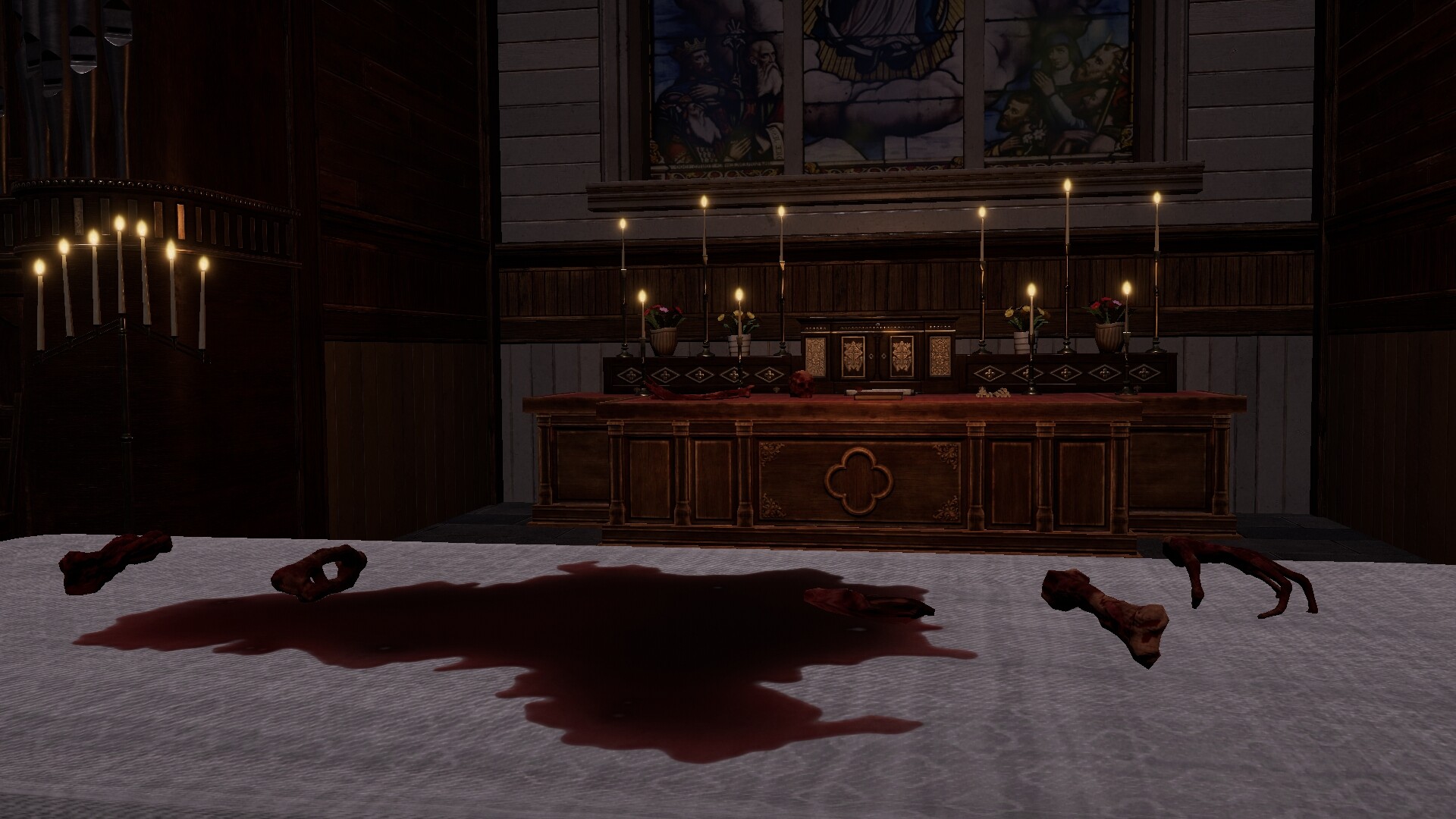
Official material describes Jin’s investigation into a deliberately forgotten estate where identities and records have been scrubbed. The mansion’s rooms appear frozen mid-routine; locked doors, secured systems, and encrypted fragments are foregrounded in the narrative. Expect a psychological investigation built around restoring power, unlocking compartments, and following financial and identity clues that hint at a larger concealed operation.
When and where — Steam details
Trace of the Villa released on 28 May, 2026 on Steam. The Steam store page lists the developer and publisher as Steadyturtle Co., Ltd., and tags the title under Action, Adventure, and Indie. The page also shows features like subtitle options, color alternatives, and playability without timed input—useful accessibility signals for single-player mystery players on PC.
Why the mansion setting matters
Mansions function naturally as contained ecosystems for locked-room thinking: they provide discrete spaces with distinct histories, objects, and visual cues that can be read as evidence. In Trace of the Villa, the premise — erased identities, secured systems, and manifests — makes the environment itself the primary narrator. That design choice channels players toward environmental reading and chain-based puzzle solving rather than abstract minigames or arena combat.
How you progress: clue chains and environmental reading
The official description emphasizes steps you’ll take in a logical order: restore power, reactivate systems, open hidden compartments, and decrypt fragmented documents. That suggests progression built on linking recovered artifacts — manifests, transfer records, and encrypted fragments — into a timeline. Players who enjoy tracing cause-and-effect across rooms (finding a key that leads to a safe that contains a code to an otherwise sealed wing) will find this flow familiar and rewarding.

Player scenarios — who will enjoy it
- Single-player investigators: You like piecing together timelines from found documents and rooms that feel lived-in but deliberately altered.
- Methodical puzzle solvers: You prefer clue chains that span multiple areas and are satisfied by deductive leaps rather than trial-and-error fiddling.
- Atmosphere-first players: You value slow-burn suspense, environmental storytelling, and a mansion that functions as a character in the story.
- Accessibility-minded players: Steam features like subtitle options, color alternatives, and no required timed input make the title approachable if you need those supports.
How Trace of the Villa compares (editorial)
Below is a direct editorial comparison to nearby mystery/puzzle experiences on Steam. This is an apples-to-apples look at atmosphere, puzzle focus, and exploration style to help decide if Trace of the Villa matches your tastes.
| Title | Primary genre / vibe | Puzzle focus | Exploration style | Pacing / tone |
|---|---|---|---|---|
| Trace of the Villa | Action / Adventure / Indie — mansion mystery, investigative | Clue chains: documents, encrypted fragments, locked systems | Room-to-room, environmental reading, restoring systems to progress | Slow-burn, suspenseful, investigative |
| The Room | Adventure / Indie — intimate, mechanical puzzle box | Single-object, tactile puzzle devices (safe, boxes) | Focused, contained scenes centered on a single puzzle object | Claustrophobic, puzzle-box mystery with tactile interaction |
| The Room Two | Adventure / Indie — expanded tactile puzzles | Multi-stage puzzle devices and environments | Sequential, vignette-style locations with interconnected devices | Enigmatic, puzzle-led with cryptic atmosphere |
| Escape Simulator | Adventure / Simulation / Indie — interactive escape rooms | Environmental puzzles with physical manipulation, sandboxable | Highly interactive rooms; supports solo and co-op; many user-made rooms | Varied pacing depending on room; playful to tense |
Editorial note: The Room series emphasizes tactile puzzle boxes; Escape Simulator leans into high interactivity and community content. Trace of the Villa—orients itself around investigative reading across a single mansion and a narrative thread tied to Jin’s search, which will appeal more to players who want environmental clues and a story that unspools through recovered records.
YouTube discovery
If you want trailer or gameplay videos, search YouTube for Trace of the Villa trailers and gameplay footage: YouTube search: Trace of the Villa trailer & gameplay. This link is provided for discovery; the store page lists official assets and screenshots.
Final decision guide
Wishlist Trace of the Villa if you prioritize: atmospheric mansion mystery, document-based clue chains, and a single-player investigative arc with accessibility options. Consider The Room titles if you prefer isolated mechanical puzzles, or Escape Simulator if you want highly interactive rooms and co-op or workshop content.
Disclaimer
Referenced titles and trademarks belong to their respective owners. Comparisons here are editorial discovery only and not endorsements or claims of affiliation.
Leave a Reply