
Trace of the Villa — why quiet tension and uncertainty matter more than loud shocks
A slow, clue-driven investigation into a decaying mansion places mood and unanswered questions at the center of Trace of the Villa’s approach to psychological horror. Rather than trading on jump scares, Steadyturtle Co., Ltd. lean into environmental storytelling, puzzles, and the steady reveal of a carefully erased past.

| Title | Trace of the Villa |
|---|---|
| Steam appid | 3483660 |
| Release date | 28 May, 2026 |
| Developer / Publisher | Steadyturtle Co., Ltd. |
| Genres | Action, Adventure, Indie |
| Categories (selected) | Single-player; Color Alternatives; Custom Volume Controls; Playable without Timed Input; Subtitle Options; Family Sharing |
| Official short description | Jin has spent years searching for his missing sister, pursuing leads that took him to a remote, decaying mansion where he recovered manifests and hints that indicate his sister may still be alive, somewhere at the end of the trail he is about to follow. |
Who this is for
Trace of the Villa is aimed at players who prefer slow-burn suspense and investigative pacing over constant adrenaline. If you appreciate atmospheric mystery adventure, environmental storytelling that rewards attention to detail, and puzzle-driven progress that peels back layers of a narrative, this is the sort of Steam indie horror you’re likely to wishlist. Players who expect frequent combat set-pieces or nonstop scares should be prepared for a mood-driven experience that privileges unease and ambiguity.
What the game is
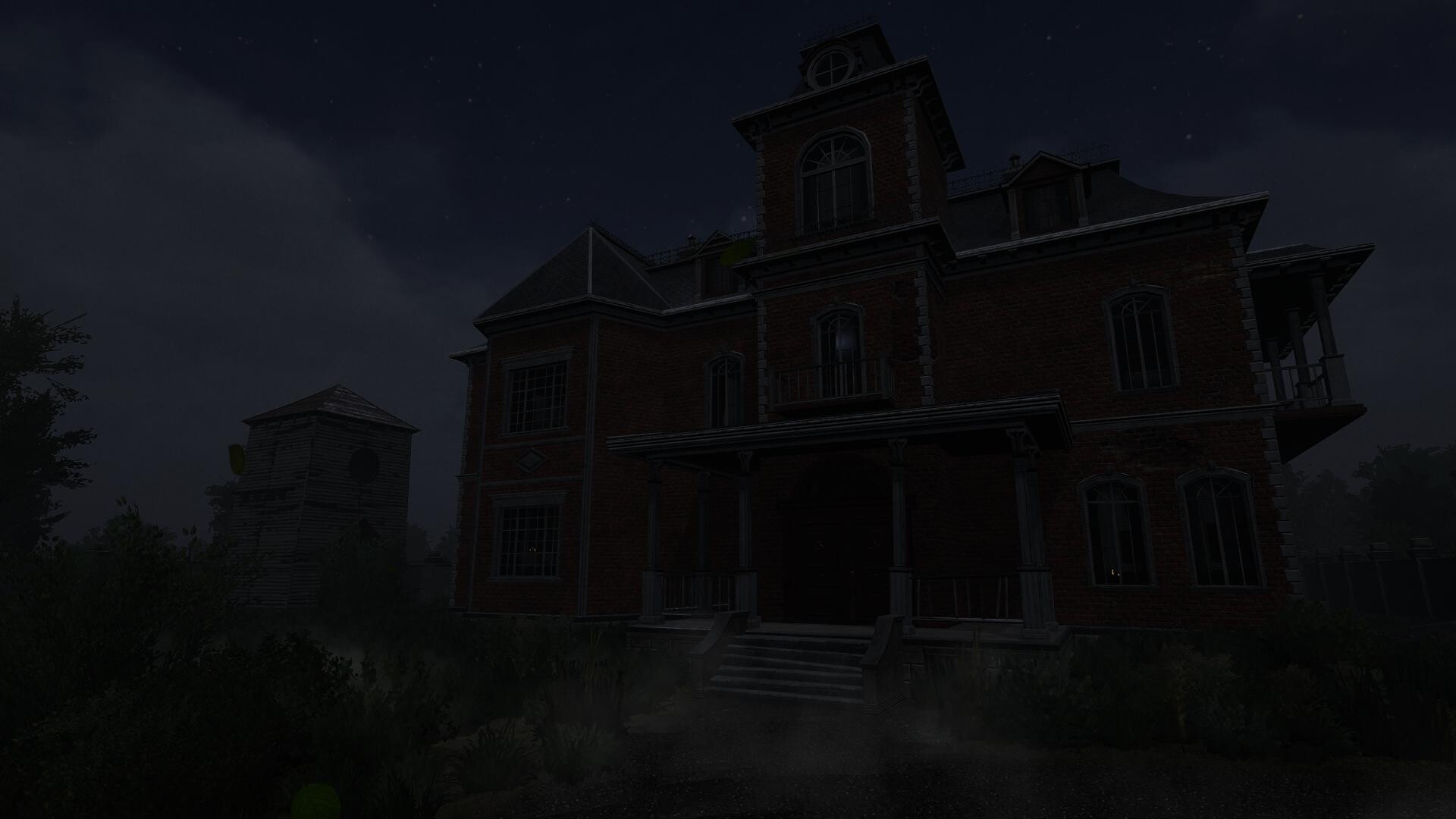
Official materials describe Trace of the Villa as a story about Jin, who follows a lead to a decaying, off-grid mansion and discovers traces of past occupancy that feel intentionally erased. The estate contains locked doors, secured systems, safes, and encrypted documents; restoring power and solving puzzles gradually reveals a pattern of arrivals and departures masked by falsified identities and suspicious transfer records. The game’s structure, as presented on Steam, centers on exploration, clue discovery, and unlocking hidden layers of information rather than spectacle.
When and where
Trace of the Villa launched on Steam on 28 May, 2026. It appears as a PC-focused indie release developed and published by Steadyturtle Co., Ltd., and the Steam page lists the game under Action, Adventure, and Indie.
Why the theme—uncertainty and restraint—matters
Mood-driven horror trades immediate catharsis for a sustained, cognitive unease: unanswered questions, missing context, and small inconsistencies accumulate until the player feels surrounded by implication. Trace of the Villa’s premise—rooms that look as if occupants vanished mid-routine, identities removed, and financial or transfer records that lead nowhere—works as a psychological lever. The developer’s choice to have the house reveal itself through restored systems, unlocked safes, and fragmentary documents means the dread is built from curiosity and the dread of what might be uncovered, not from repeated shock tactics.

How you progress — reading clues and piecing the story together
According to the official description, progression is built around exploration and systems that react as you interact with the estate: when Jin restores power, secured systems come back online, hidden compartments unlock, and safes reveal fragments of encrypted documents. Each solved puzzle appears to unlock another narrative thread—financial trails, falsified identities, movements without witnesses—so gameplay is a sequence of discovery and interpretation rather than an emphasis on reflex-based encounters. That structure signals a focus on narrative puzzle design and environmental investigation.
Comparison at a glance
The following table compares Trace of the Villa to a handful of well-known psychological or atmosphere-first titles so you can decide which pacing and tone fit your tastes. These comparisons are editorial and based on genre, atmosphere, puzzle emphasis, and pacing.
| Title | Release date | Core atmosphere | Puzzle / exploration emphasis | Pacing / player fit |
|---|---|---|---|---|
| Trace of the Villa | 28 May, 2026 | Decaying mansion; investigative, uncertain | Clue-driven: restoring power, unlocking safes, decrypting documents | Slow-burn suspense for players who favor interpretation over shocks |
| Amnesia: The Dark Descent | 8 Sep, 2010 | First-person survival horror; immersion and dread | Exploration and environmental puzzle-solving with survival mechanics | Intense atmospheric horror that can be more direct and threatening |
| SOMA | 21 Sep, 2015 | Sci‑fi psychological horror; existential and isolating | Exploration, narrative puzzles, and environmental storytelling under a sci‑fi shell | Reflective pacing that emphasizes story and questions of identity |
| Layers of Fear (2016) | 15 Feb, 2016 | Victorian mansion; psychological, surreal | Strong focus on atmospheric storytelling and
Steam pageView Trace of the Villa on Steam YouTube discoveryFor trailer and gameplay discovery, use YouTube search rather than relying on unverified embeds: Find Trace of the Villa trailer and gameplay searches on YouTube. CommentsMore posts |
Leave a Reply