
Trace of the Villa — a patient, clue-driven mansion mystery on PC
Trace of the Villa places you in Jin’s shoes as he follows a cold lead to a remote, decaying mansion and begins restoring power, unlocking secrets one clue at a time. Built and published by Steadyturtle Co., Ltd., the game leans into slow-burn suspense, environmental storytelling, and investigative puzzle work for players who prefer reading rooms instead of headlines.

Quick facts
| Title | Trace of the Villa |
|---|---|
| Steam App ID | 3483660 |
| Release date | 28 May, 2026 |
| Developer / Publisher | Steadyturtle Co., Ltd. |
| Genres | Action, Adventure, Indie |
| Steam categories | Single-player; Color Alternatives; Custom Volume Controls; Playable without Timed Input; Subtitle Options; Family Sharing |
| Premise (official short) | Jin has spent years searching for his missing sister, pursuing leads that took him to a remote, decaying mansion where he recovered manifests and hints that indicate his sister may still be alive. |
Who this is for
If you favor atmospheric mystery adventure on PC and enjoy methodical, clue-first progression, Trace of the Villa speaks to a patient player: someone who will inspect furnished rooms, restore systems, and follow small documentary leads rather than rely on combat or fast-paced action. The Steam tags and categories (Single-player; Playable without Timed Input; Subtitle Options; Color Alternatives) suggest accessibility-minded pacing and a single-player, story-driven focus.
What the game is — tone and structure
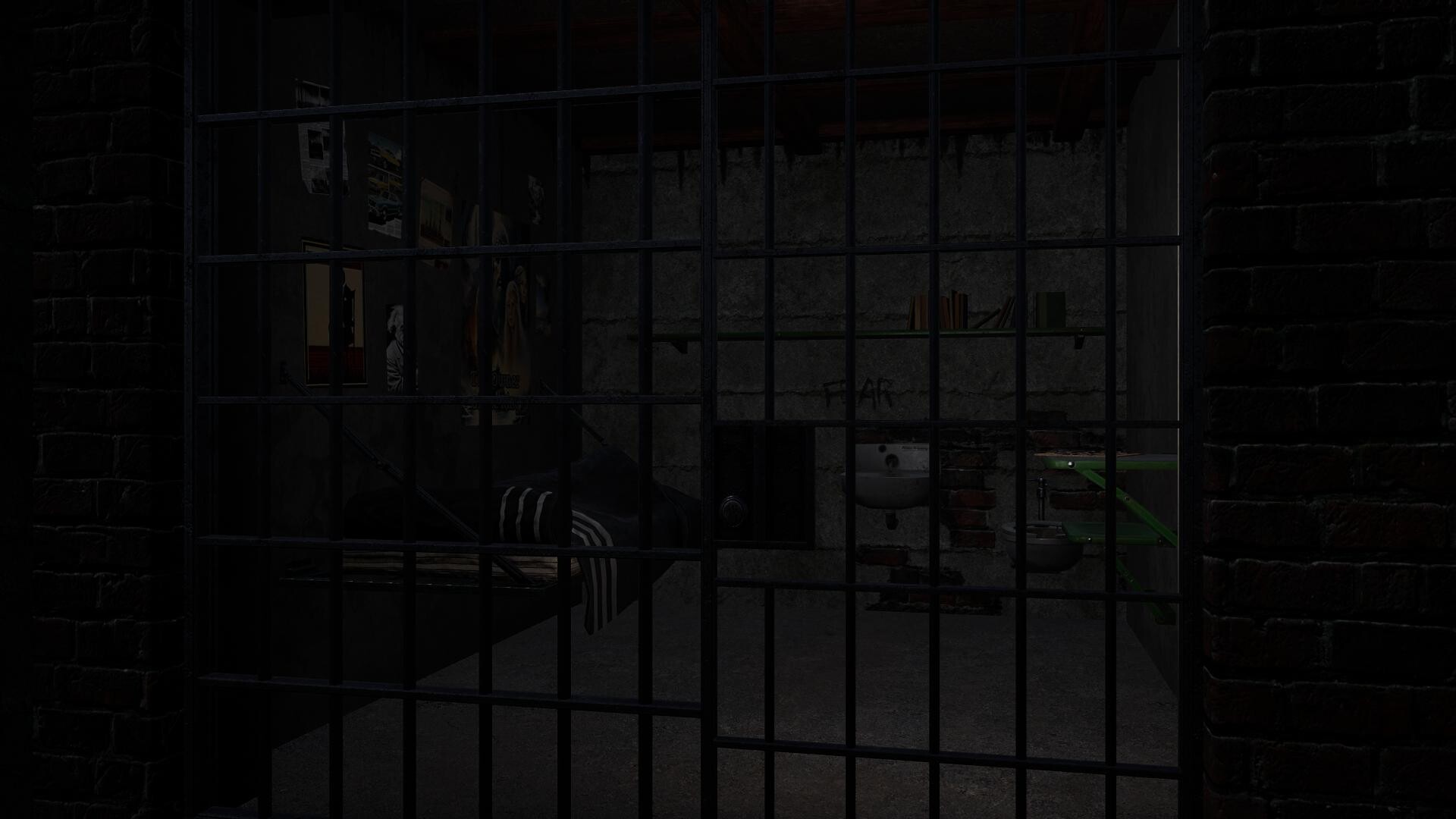
According to its Steam listing, Trace of the Villa starts as an investigation into a decaying, off-the-grid mansion. The house’s rooms feel “less abandoned than erased”: furnished scenes, locked doors, removed identities, and secured systems that reveal encrypted documents and suspicious transfer records when power is restored. Expect environmental storytelling, narrative puzzle design, and a mystery that gradually reveals a broader, concealed operation.
When and where
Trace of the Villa is available on Steam with a release date listed as 28 May, 2026. The game page includes standard Steam store assets (header and screenshots) and categories indicating PC-focused single-player support and accessibility options like subtitle toggles and color alternatives.
Why the mansion theme matters
Mansion mysteries center on atmosphere: the physical layout of rooms, the traces left behind, and the way small objects imply larger stories. Trace of the Villa’s premise—recovering manifests, encrypted fragments, and falsified identities—frames the mansion not as a haunted trope but as an operational site with institutional traces. That tonal choice shifts puzzles toward reading documents, systems, and transactions instead of purely occult or jump-scare beats.
How you read clues and progress
The Steam description emphasizes restoring power and secured systems coming back online as a primary mechanical hook. Progress appears tied to investigating rooms, unlocking compartments and safes, and assembling a timeline from documents and transfer records. For players who enjoy piecing together narratives from fragments—encrypted files, manifests, and environmental cues—this promises layered discoveries that accumulate into a larger pattern.

Player scenarios — when to wishlist
- You’re a patient investigator: You prefer methodical clue sifting over combat or timed reflexes. The game’s emphasis on restoring systems and reading documents aligns with slow-burn mystery play.
- You enjoy environmental storytelling: If finding meaning in staged rooms and small, contextual props is rewarding for you, this mansion’s “erased” occupants and their traces are the core draw.
- You want accessibility options: The Steam categories list subtitles, color alternatives, and non-timed inputs, which make it suitable for players seeking a readable, steady-paced experience.
- You want a story that widens as you play: The official description promises fragmented financial trails and falsified records that suggest the mystery expands beyond a single residence.
How Trace of the Villa compares — editorial discovery
Below is a compact editorial comparison focusing on genre, atmosphere, puzzle emphasis, exploration style, story tone, pacing, and the player profile each title suits. These are factual, descriptive distinctions intended to help readers find the best fit for their tastes rather than rank quality.
| Title | Genre / Core focus | Atmosphere | Puzzle focus | Exploration style | Story tone | Pacing / Player fit |
|---|---|---|---|---|---|---|
| Trace of the Villa | Action / Adventure / Indie | Decaying mansion; institutional traces | Document-driven, systems restoration, safes/compartments | Room-by-room environmental investigation | Personal investigation; unsettling, procedural revelations | Slow-burn; for patient clue readers and narrative puzzle fans |
| Rusty Lake Hotel | Adventure / Indie (point-and-click) | Dark, eerie, surreal | Puzzle rooms with bizarre mechanics | Point-and-click vignette exploration | Weird, puzzle-centric horror | Short, focused puzzles; players who like compact, surreal puzzles |
| The Medium | Adventure (third-person psychological horror) | Deserted resort; dual-realm atmosphere | Exploration with psychological and dual-reality puzzles | Third-person exploration across two realities | Psychological, trauma-focused | Steady pacing with narrative set pieces; players who like cinematic, dual-reality design |
| Layers of Fear | Adventure (first-person psychological horror) | Claustrophobic, art-driven madness | Narrative puzzles emphasizing mood and memory | Linear, atmospheric exploration in confined spaces | Obsessive, artist-focused psychological horror | Variable pacing; players who prioritize atmosphere and psychological beats |
| Hi‑Fi RUSH | Action (rhythm-based) | Energetic, music-driven | Minimal narrative puzzle focus | Action arenas and rhythm-synced environments | Beat-driven, upbeat combat tone | Steam page
Leave a Reply