
Trace of the Villa — a slow-burn mansion mystery shaped by clues, objects, and story puzzles
Jin’s search for his missing sister leads him to a remote, decaying mansion where recovered manifests and oblique hints suggest she may still be alive. Trace of the Villa (Steadyturtle Co., Ltd.) leans on environmental storytelling and clue-driven investigation: restore systems, unlock safes, and follow a trail of erased identities to learn what happened inside.

Who, what, when, where, why, how
Who it’s for
Players who favour atmospheric mystery adventure and methodical, narrative-led puzzles. If you prefer clue-reading, quiet exploration, and piecing together a timeline from documents and interior detail rather than twitch combat or speed challenges, Trace of the Villa is aimed at you. It’s listed as Single-player with accessibility options such as Subtitle Options and Playable without Timed Input, which suggests a focus on paced investigation rather than fast reactions.
What the game is
Trace of the Villa is an Action / Adventure / Indie title developed and published by Steadyturtle Co., Ltd. The story premise: Jin has been searching for his missing sister for years and follows a lead to a deliberately forgotten mansion; inside, rooms look as if occupants vanished mid-routine and locked doors hide secured systems and encrypted fragments. The official description emphasises restoring power and uncovering financial trails, falsified identities, and controlled movements—puzzle beats that reveal the house’s larger operation.
When and where
Trace of the Villa released on Steam on 28 May, 2026 and is available via the Steam storefront for PC. The Steam listing shows categories and accessibility options (Color Alternatives, Custom Volume Controls, Subtitle Options, Playable without Timed Input, Family Sharing) that help confirm a player-focused, story-first experience.
Why the theme matters
The mansion-as-evidence trope works best when game systems support careful reading: physical clues, offline logs, and environmental anomalies become narrative levers. Here, the theme of “erased identities” rewards players who note absences as much as presences—missing photographs, broken records, or safes that only yield fragments. That ambiguity is the principal storytelling device: puzzles don’t just gate progression, they build the investigative logic that convinces you Jin is getting closer to the truth.
How progression is shaped by clue reading and object logic
The official material describes restoring power, reactivating secured systems, and unlocking safes to obtain encrypted documents and suspicious transfer records. That sequence outlines a puzzle structure built around three complementary threads:
- Clue reading: manifests and fragments point to timelines, names, and financial trails; careful note-taking and pattern recognition are core skills.
- Object logic: interacting with room fixtures, power systems, and safes suggests a physical, almost mechanical logic to puzzles rather than purely abstract codes.
- Story puzzles: each solved component reveals contextual evidence—falsified identities, transfer records, and arrivals/departures—that reframes earlier discoveries and pushes the investigation forward.
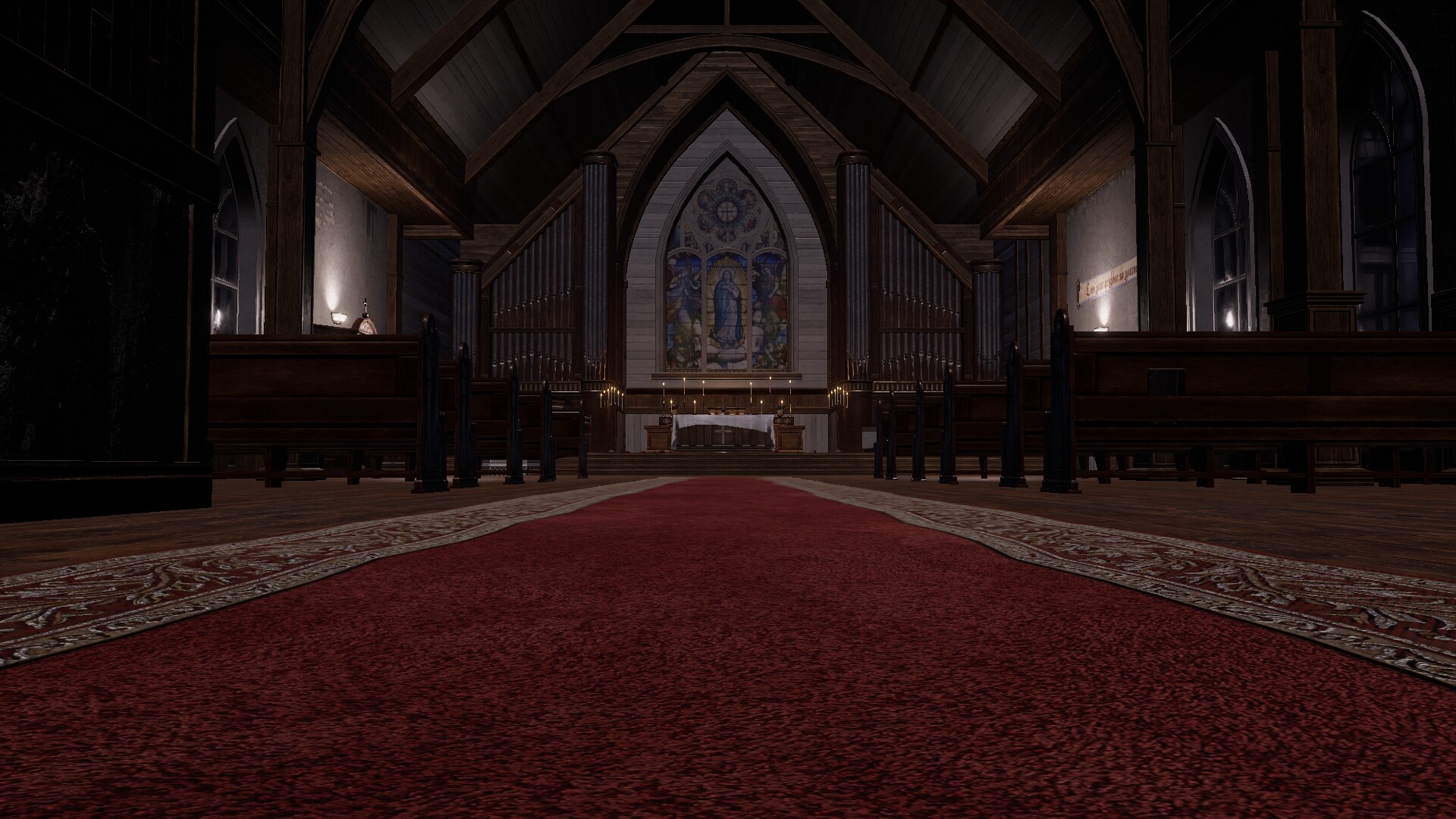
Official visuals

Quick facts
| Title | Trace of the Villa |
|---|---|
| Developer / Publisher | Steadyturtle Co., Ltd. |
| Release date | 28 May, 2026 |
| Genres | Action, Adventure, Indie |
| Steam categories | Single-player; Color Alternatives; Custom Volume Controls; Playable without Timed Input; Subtitle Options; Family Sharing |
| Where | Steam (PC) |
Player-fit scenarios — who should wishlist this
- Detail-oriented investigators: You keep notes, rewind cut-inspection scenes, and enjoy cataloguing clues. The game’s encrypted documents and manifests reward that patient, methodical playstyle.
- Atmosphere-first explorers: You want slow-burn suspense and an oppressive, erased-history mansion where every object suggests a backstory rather than shouting it.
- Narrative puzzle fans: You like puzzles that advance a mystery rather than serve as isolated brainteasers—solving a safe yields narrative fragments that recontextualise other discoveries.
- Accessibility-minded players: The Steam listing’s subtitle and playable-without-timed-input categories indicate a design that won’t force reaction-based progress, which helps players who prefer measured exploration.
How Trace of the Villa compares — editorial table
| Title | Core genre / tone | Puzzle focus | Exploration style | Pacing / player fit |
|---|---|---|---|---|
| Trace of the Villa | Action / Adventure; mansion mystery; slow-burn suspense | Clue reading, object logic, story-driven puzzles (restoring power, safes, encrypted fragments) | Single-player, methodical interior exploration | For players who favour environmental storytelling and investigative pacing |
| The Room | Adventure; focused tactile puzzle rooms | Mechanical puzzle boxes and observational puzzles | Contained, single-room progression | Best for players who enjoy tightly designed, tactile puzzle devices (2014 release) |
| The Room Two | Adventure; atmospheric crypt and rooms | Layered mechanical puzzles with narrative fragments | Series of set-piece rooms that build a legacy mystery | Appeals to players who like successive, self-contained puzzle scenes (2016 release) |
| Escape Simulator | Adventure / Casual; interactive escape-room simulation | Highly interactive object-based puzzles; physics interactions | Modular rooms, community-made content, solo or co-op | For players seeking physical interaction and puzzle sandboxing (2021 release) |
| Unpacking | Casual / Indie; zen, domestic narrative | Object-placement and contextual storytelling | Low-pressure, room-scale narrative through items | Great for players who prefer subtle narrative inference from everyday objects (2021 release) |
Compared to The Room series, Trace of the Villa reads more like a slow procedural investigation than a sequence of self-contained mechanical curiosities. Against Unpacking, it trades domestic calm and block-fitting puzzles for a darker timeline of erased identities and encrypted leads. Escape Simulator sits on the other end of the spectrum with physics-driven interactivity and co-op options; Trace of the Villa is single-player and story-first.
YouTube discovery
If you want trailer or gameplay footage, search for Trace of the Villa trailers and gameplay on YouTube: Trace of the Villa trailer & gameplay (YouTube search). This link is provided as a discovery path; it does not imply any single video is the official trailer.
Final notes and recommendation
Trace of the Villa presents itself as a narrative puzzle adventure that rewards careful attention to documents, room detail, and sequences of revealed evidence. If you enjoy narrative puzzle design where each solved object reframes the next clue and the story unfolds through forensic discovery, add it to your wishlist. If you prefer quick puzzles, heavy mechanical interaction, or multiplayer puzzle-sandboxes, consider the comparison table above to weigh alternatives.
Steam link: Trace of the Villa on Steam
Referenced titles and trademarks belong to their respective owners; comparisons here are editorial discovery and not endorsements.
Leave a Reply