
Trace of the Villa — a slow-burn mansion mystery for meticulous investigators
Trace of the Villa positions you as Jin, a searcher following frayed manifests and erased identities into a remote, decaying mansion — where restoring power starts to unspool a carefully hidden operation. For players who prize layered environmental storytelling and clue-driven exploration, this indie Action/Adventure aims to reward patience, attention and methodical reconstruction of a timeline.

| Title | Trace of the Villa |
|---|---|
| Developer / Publisher | Steadyturtle Co., Ltd. |
| Release date | 28 May, 2026 |
| Steam AppID | 3483660 |
| Genres | Action, Adventure, Indie |
| Categories | Single-player; Color Alternatives; Custom Volume Controls; Playable without Timed Input; Subtitle Options; Family Sharing |
| Official short premise | Jin has spent years searching for his missing sister, pursuing leads that took him to a remote, decaying mansion where he recovered manifests and hints that indicate his sister may still be alive, somewhere at the end of the trail he is about to follow. |
Who is this for?
This is built for meticulous players: those who read every document, compare timestamps, and treat environmental detail as primary evidence. Lore readers who prefer implication over exposition and investigation fans who enjoy piecing together motive and movement from encrypted fragments will find the game’s premise directly tuned to their interests.
What the game is
Trace of the Villa is an atmospheric mystery adventure centered on methodical exploration inside an isolated mansion. Steam’s official text frames it as a personal investigation: Jin restores power, unlocks secured systems and discovers encrypted documents, transfer records and signs of identities deliberately removed. The gameplay emphasis, as described on Steam, is on uncovering layers of a concealed operation — financial trails, falsified identities and unexplained arrivals and departures.
When and where
Trace of the Villa released on Steam on 28 May, 2026. It is listed on Steam with single-player support and accessibility options such as subtitle options and color alternatives; the product page and store widget are available via Steam.
Why the theme matters
Mansion mysteries work when what’s missing becomes the strongest clue. Steam’s official description stresses absence — rooms left mid-routine, possessions without names, and systems deliberately silenced — making the act of restoring power and reading recovered manifests the narrative engine. For players who value slow-burn suspense and a puzzle structure that rewards document analysis and observation, the title’s theme turns omission into evidence.
How you progress: clues, systems and pacing
According to the official description, progression is largely investigative: restore estate power, bring secured systems back online, open hidden compartments and safes, and decrypt fragments to reconstruct timelines. Expect a gameplay loop where each recovered item or unlocked system reveals another lead — encrypted documents, suspicious transfer records and falsified identities — rather than immediate action set-pieces. That design favors methodical deduction and layered reveals over constant on-rails thrills.
Player scenarios — who should wishlist Trace of the Villa?
- Meticulous investigators: You pause to scan every desk drawer and catalog every document. The game’s restored systems and encrypted fragments will reward you.
- Lore-first readers: You prefer stories that leak their history through objects and redacted files rather than long cutscenes; the mansion’s “erased” identities are a narrative hook for you.
- Slow-burn mystery fans: You enjoy gradual escalation—small mechanical restores that ripple into larger reveals—over constant horror shocks or action-heavy sequences.
- Puzzle explorers: If you like puzzles that tie directly to narrative progress (decrypt this to open that), the clue-to-reward pacing described on Steam fits your approach.
How it compares — a compact editorial table
Below is a focused editorial comparison against other narrative-driven mystery/adventure titles, using lawful editorial criteria: genre, atmosphere, puzzle emphasis, exploration style, story tone and pacing.
| Title | Genre / Core focus | Atmosphere | Puzzle emphasis | Exploration style | Story tone / Pacing |
|---|---|---|---|---|---|
| Trace of the Villa | Action / Adventure / Indie | Mansion mystery, erased identities, investigative | Document/crypto-based, systems restoration | Indoor, clue-driven, methodical | Slow-burn, layered reveals |
| Inscryption | Adventure / Indie / Strategy | Dark, card-based psychological horror | Escape-room style puzzles blended with card mechanics | Closed-loop, puzzle-card hybrid | Cryptic, escalating meta-revelations |
| Outer Wilds | Action / Adventure | Open-world cosmic mystery | Environmental puzzles tied to astrophysical systems | Open, exploratory solar system | Curiosity-led, discovery over time (time loop) |
| Journey | Adventure / Indie | Meditative, ancient mysterious world | Minimalist puzzles; emphasis on traversal and atmosphere | Expansive, landscape-driven | Poetic, contemplative pacing |
| The Forgotten City | Adventure / Indie / RPG | Ancient, philosophical mystery (time-loop) | Choice and inference-heavy puzzles tied to narrative outcomes | Structured locations with narrative constraints | Investigation with moral consequence, deliberate pacing |
| The Medium | Adventure | Psychological horror; dual-reality exploration | Puzzles that use both real and spirit realms | Linear, dual-plane exploration | Tense, revelation-driven pacing |

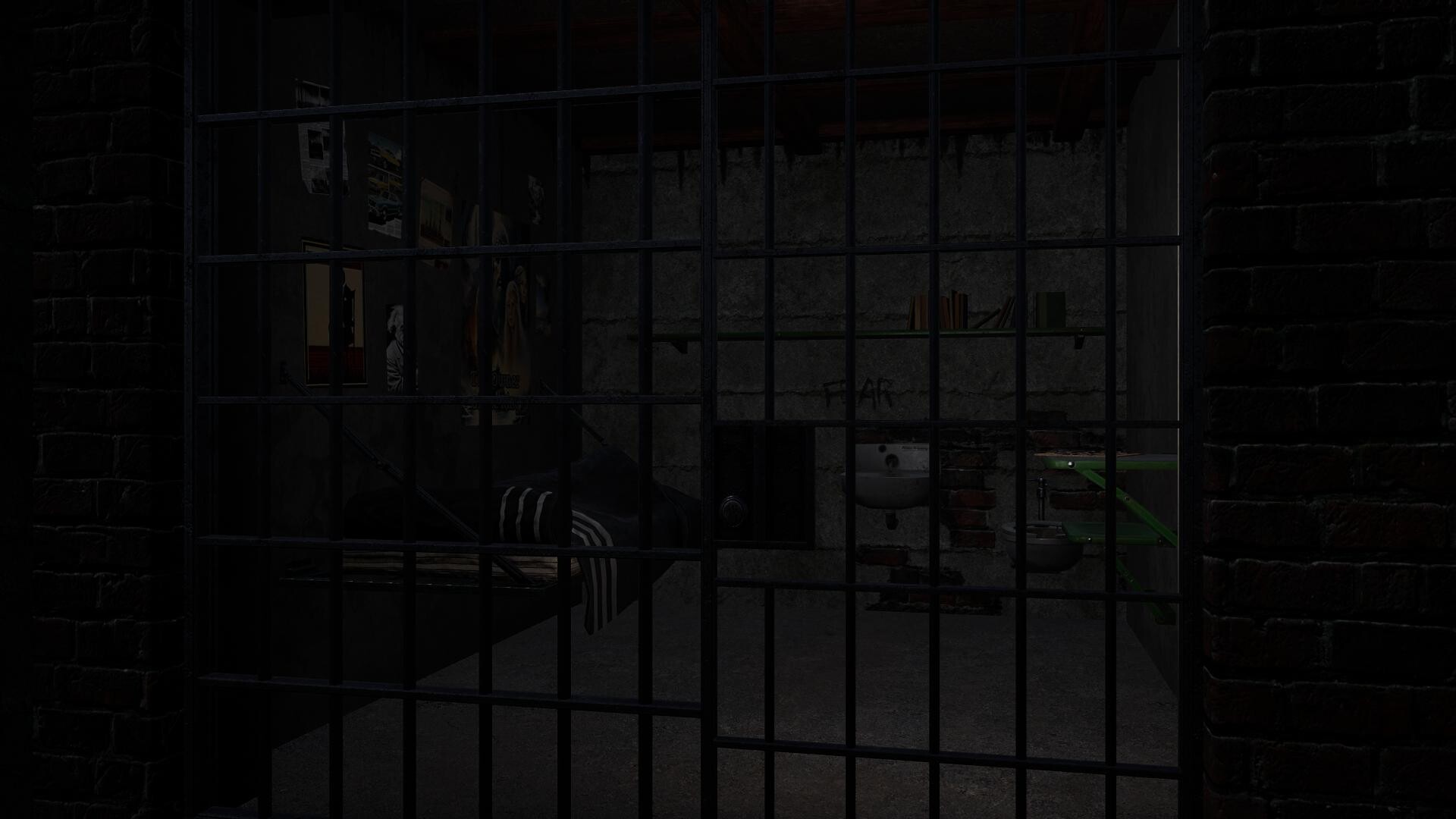
Trailer & discovery
Search for trailers and gameplay footage on YouTube (use this search path; we do not claim a specific video is official): YouTube — Trace of the Villa trailer & gameplay.