
Trace of the Villa — a slow-burn mansion mystery for players who hunt stories in objects
Trace of the Villa puts you in the shoes of Jin, who’s spent years chasing a missing-sister lead to a remote, decaying mansion that seems intentionally forgotten. When the house’s power is restored, a trail of manifests, encrypted fragments and locked systems begins to suggest the disappearance was neither accidental nor simple — and that the end of the trail might still hold Jin’s sister alive somewhere beyond the estate.

Quick facts
| Title | Trace of the Villa |
|---|---|
| Developer / Publisher | Steadyturtle Co., Ltd. |
| Release date | 28 May, 2026 |
| Steam AppID / Store | 3483660 — View on Steam |
| Genres | Action, Adventure, Indie |
| Key categories | Single-player; Color Alternatives; Custom Volume Controls; Playable without Timed Input; Subtitle Options; Family Sharing |
Who this game is for
If you prize environmental storytelling, slow-burn suspense and puzzle design that rewards close reading of objects, Trace of the Villa is pitched squarely at you. It’s a fit for players who prefer investigative pacing over constant action, who enjoy uncovering backstory through manifests, locked compartments and restored systems rather than explicit cutscenes.
What the game is
Officially described on Steam as an investigation led by Jin into a remote, decaying mansion, Trace of the Villa centers on recovered manifests and hints that suggest Jin’s missing sister may still be alive at the end of the trail he’s about to follow. The estate reads as “less abandoned than erased”: furnished rooms frozen in mid-routine, locked doors, safes and systems that only reveal fragments when power and access are restored. The package on Steam lists the game under Action, Adventure and Indie and highlights accessibility options like subtitles and color alternatives.

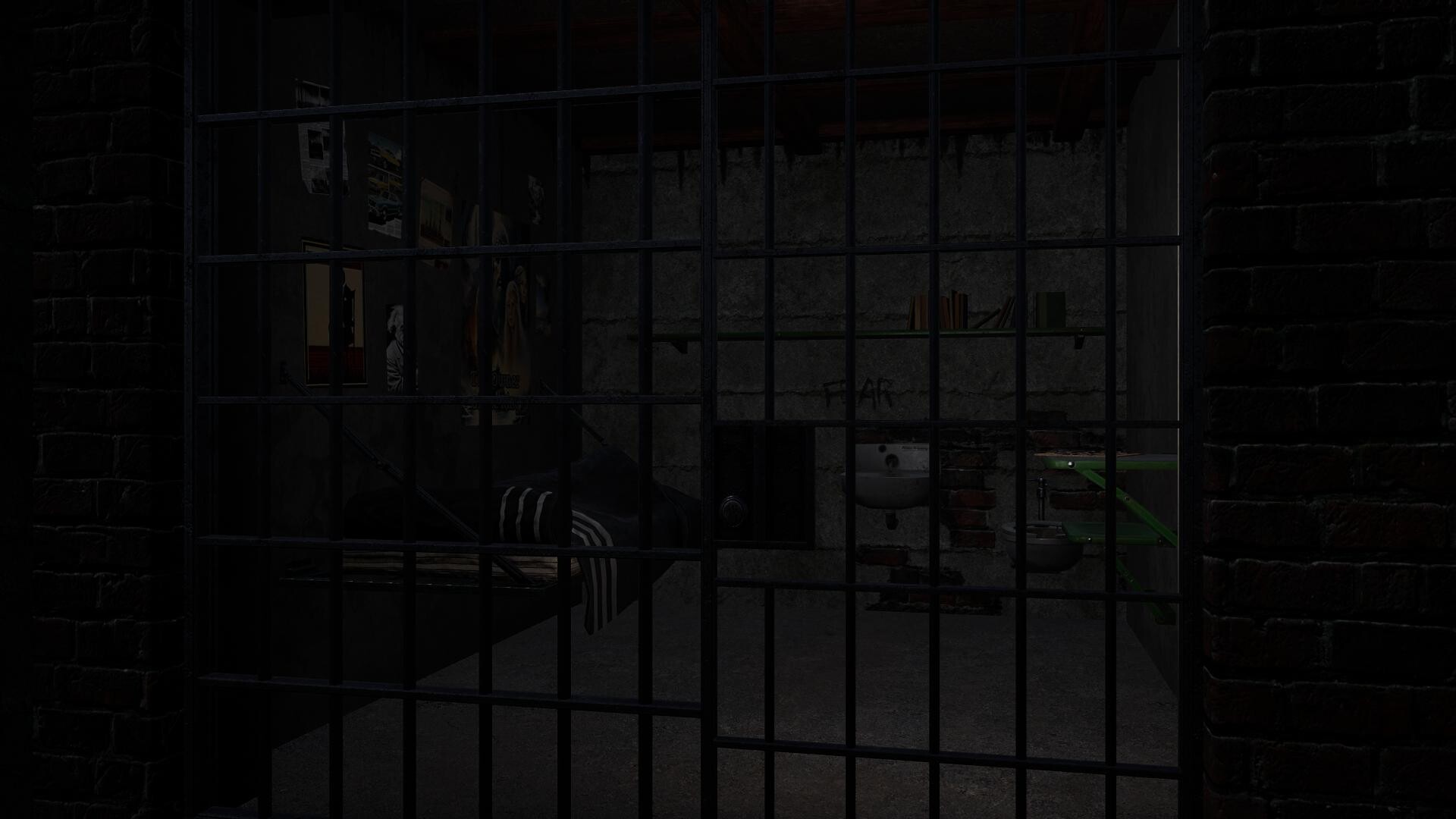
When and where: Steam release context
Trace of the Villa released on Steam on 28 May, 2026. The Steam page lists the developer and publisher as Steadyturtle Co., Ltd. and includes category flags that indicate single-player focus and accessibility options (subtitles, color alternatives, custom volume controls), which help players tune the experience to their preferences.
Why the theme matters: narrative hook and emotional stakes
The narrative hook here is both intimate and procedural: Jin’s personal obsession (a missing sister) is the engine that drives a forensic reading of place. That combination raises emotional stakes beyond “solve the mystery” — every recovered document or unlocked safe is a potential step toward family reunion or a deeper, darker truth. The mansion’s deliberate erasure of identity (no photos, no names, falsified records) reframes exploration as an act of reclamation: the player restores systems and, in doing so, restores memory.
How you play and progress: reading clues, restoring systems, unlocking timelines
According to the Steam description, progress is anchored to the mansion’s systems and physical artifacts: when Jin restores power, secured systems come back online, hidden compartments unlock, and safes produce fragments of encrypted documents and transfer records. Players who enjoy deduction will find momentum in those incremental reveals — each solved puzzle exposing another layer of a carefully concealed operation: falsified identities, financial trails that loop to nowhere, and movements masked behind paperwork. The gameplay loop appears to reward patient observation, methodical inventorying of evidence, and piecing together a timeline from fragments.
Player scenarios — concrete ways you might experience the game
1) The meticulous detective
You catalogue every document and map every locked door. Your payoff is pattern recognition: linking transfer records, manifests and system logs to reconstruct the network that used the mansion. This playstyle focuses on note-taking and circuitous progression through locked areas.
2) The atmosphere-first explorer
You move slowly through rooms, letting environmental cues — furnishings frozen mid-routine, missing photographs, the smell of rot implied by visuals and audio — build mood. For you, the emotional stakes of Jin’s search are as important as puzzle completion.
3) The puzzle-oriented reader
You chase encrypted fragments and safes, treating each recovered file as a key to the next challenge. Restoring power and watching systems come back online provides the incremental rewards that keep you engaged.
How Trace of the Villa compares to nearby story-led mysteries
Below is a compact editorial comparison using lawful criteria: genre, atmosphere, puzzle focus, exploration style, story tone and pacing. This is editorial discovery, not an endorsement.
| Game | Genre / Atmosphere | Puzzle focus | Exploration style | Story tone | Pacing / Player fit |
|---|---|---|---|---|---|
| Trace of the Villa | Action / Adventure / Indie — mansion mystery, investigative | Clue-driven puzzles, safes & encrypted fragments revealed by restoring systems | Environmental storytelling; room-by-room forensic reading |
YouTube discoveryFor trailer and gameplay discovery, use YouTube search rather than relying on unverified embeds: Find Trace of the Villa trailer and gameplay searches on YouTube. CommentsMore posts |
Leave a Reply