
Trace of the Villa and the Power of Quiet Dread: Why Silence and Room Design Matter More Than Shock Claims
Trace of the Villa places a determined search for a missing sister inside a decaying, off‑the‑grid mansion where power, identity and memory have been deliberately removed. The game trades headline jump scares for slow, clue‑driven discovery — a model of environmental dread that lets empty rooms and muted systems do the heavy lifting.

Who
Trace of the Villa (developer/publisher: Steadyturtle Co., Ltd.) centers on Jin, a protagonist who has spent years searching for his missing sister. The game is presented on Steam as an Action / Adventure / Indie title with single‑player support and accessibility categories such as Color Alternatives, Custom Volume Controls, Playable without Timed Input and Subtitle Options.
What
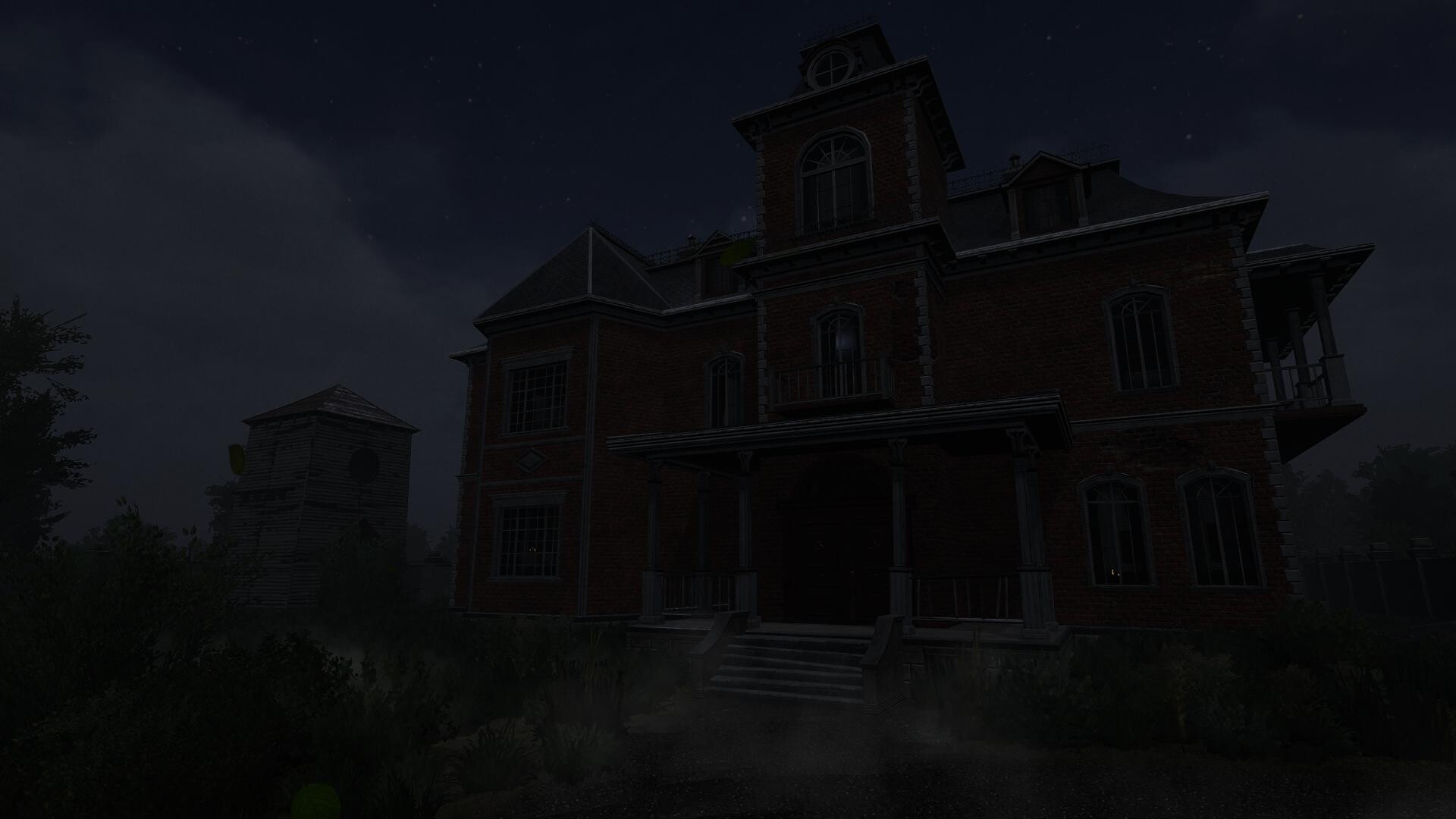
Official materials describe a mansion that feels “less abandoned than erased”: rooms left mid‑routine, personal effects without names or photographs, locked doors and secured systems that reveal fragments of a hidden operation when restored. Gameplay elements mentioned in the official description include restoring power, unlocking hidden compartments and solving puzzles that uncover encrypted documents and suspicious transfer records. The tone is psychological investigation and environmental storytelling rather than overt survival spectacle.
When and Where
Trace of the Villa released on Steam on 28 May, 2026 and is available on PC via its Steam store page. The Steam appid is 3483660.
Why the Quiet Tension Matters
The official premise emphasizes erased identities and bureaucratic obfuscation — falsified identities, arrivals without records, safes yielding fragments — which primes the player to feel unsettled by absence and implication rather than by spectacle. That kind of environmental dread works because it uses domestic familiarity (furnished rooms, personal belongings) and the return of mundane systems (power, locked safes) to reveal narrative weight. Where loud scares rely on surprise, this approach asks players to interrogate silence: why are photographs missing, why are names stripped away, what does a working light switch actually mean in this house?
How You Progress
According to the game’s official description, progression is clue‑driven: restoring power brings systems back online, hidden compartments unlock, and safes yield fragments of encrypted documents and transfer records. Each puzzle solved reveals new documentary strands and deeper layers of the mansion’s purpose. That structure — environmental puzzles rewarding careful observation and system restoration — places emphasis on reading rooms as evidence and using small mechanical reversals (power, locks, electronics) to expose more of the story.
| Title | Trace of the Villa |
| Steam AppID | 3483660 |
| Release Date | 28 May, 2026 |
| Developer / Publisher | Steadyturtle Co., Ltd. |
| Genres | Action, Adventure, Indie |
| Key Categories | Single-player, Color Alternatives, Custom Volume Controls, Playable without Timed Input, Subtitle Options, Family Sharing |
Who Should Wishlist This
- Players who prefer slow‑burn, atmospheric mystery adventure and environmental storytelling over twitch reaction scares.
- Fans of clue‑driven exploration and puzzle work that ties directly to narrative reveals (restoring power, unlocking safes, reading fragments).
- PC players who value accessibility options like subtitle support and custom volume controls and prefer single‑player, story‑forward experiences.
If you want loud, constant jump scares or multiplayer survival chases, the official framing suggests Trace of the Villa is aiming for a different register — procedural unease and document‑heavy discovery.
Player Scenarios — Specific Situations
How Trace of the Villa fits common play sessions:
- Evening puzzle session: You want 60–120 minutes of methodical exploration—restore power, check a room, follow an encrypted lead—without sudden frantic mechanics.
- Streamed narrative run: The game’s focus on documents and room composition offers good beats for discussion: viewers can help parse fragmented records and point out visual oddities.
- Accessibility‑focused player: The presence of subtitle options, custom volumes and non‑timed play choices makes it approachable for those who need a slower, readable experience.
How Trace of the Villa Compares
Below is a compact editorial comparison with nearby psychological/tension titles. This is an editorial discovery comparison on atmosphere, puzzle focus and exploration style — not a claim of superiority.
| Game | Genre / Release | Atmosphere & Pacing | Puzzle vs Survival | Exploration Style | Story Tone |
|---|
Leave a Reply