
Trace of the Villa — a story-first mansion mystery that asks you to read between the walls
Trace of the Villa casts you as Jin, a sibling who follows cold leads to a remote, decaying mansion and finds manifests and encrypted fragments that suggest his missing sister may still be alive. The game marries slow-burn suspense and clue-driven exploration, asking players to reconstruct erased identities from the things a house refuses to let go of.

Quick facts
| Title | Trace of the Villa |
|---|---|
| Steam AppID | 3483660 |
| Developer / Publisher | Steadyturtle Co., Ltd. |
| Release date | 28 May, 2026 |
| Genres | Action, Adventure, Indie |
| Key categories | Single-player; Color Alternatives; Custom Volume Controls; Playable without Timed Input; Subtitle Options; Family Sharing |
| Official short description | Jin has spent years searching for his missing sister, pursuing leads that took him to a remote, decaying mansion where he recovered manifests and hints that indicate his sister may still be alive, somewhere at the end of the trail he is about to follow. |
Who this is for
Trace of the Villa is aimed at players who favor story-first mystery design: people who enjoy piecing together narrative through environmental details, recovered documents, and systems that reveal secrets as you restore the estate. Because the Steam page lists accessibility features like subtitle options and “playable without timed input,” it’s also suited for players who prefer deliberate, unhurried puzzle work rather than twitch or reflex challenges.
What the game is
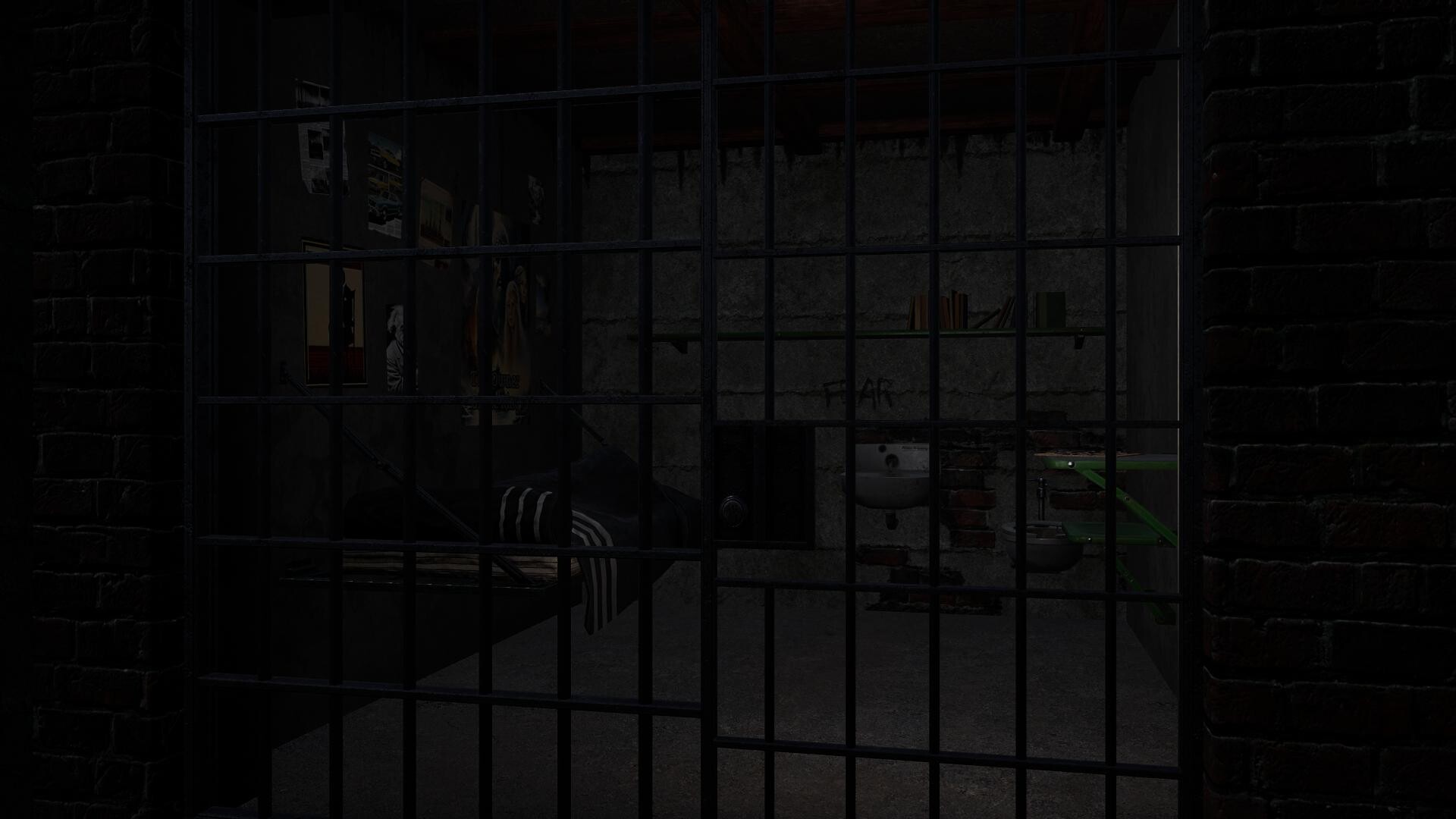
According to the official description, you play as Jin, whose search for a missing sister leads him to a deliberately forgotten mansion. Rooms look as if occupants vanished mid-routine; identities appear erased; locked doors, safes, and encrypted documents slowly disclose a larger, concealed operation. Restoring power to the property is a narrative beat that unlocks secured systems and additional layers of mystery—puzzles and recovered manifests are the primary vehicle for storytelling.

When and where
Trace of the Villa released on Steam on 28 May, 2026 and is published and developed by Steadyturtle Co., Ltd. It is presented as a single-player PC experience on Steam; the store page lists standard accessibility and usability categories like color alternatives and custom volume controls.
Why the theme matters — erased identities and institutional mystery
The premise centers on forensic curiosity: the game asks you to treat the mansion as an archive of absence. Rather than explicit exposition, the house withholds names, photographs, and clean records—so the player becomes the instrument for reassembling what was deliberately unrecorded. That focus shifts the emotional core away from jump scares and toward the ethics of uncovering other people’s pasts and the unsettling feel of places designed to be outside of oversight.
How players uncover meaning
On the Steam page the official description details a few concrete mechanics of narrative discovery: powering systems, unlocking hidden compartments, opening safes, and decrypting fragments of documents and suspicious transfer records. These acts are puzzle-adjacent and investigative rather than purely action-based—each solved puzzle yields a new clue, and those clues assemble into a timeline pointing to arrivals without records and departures without witnesses. In short: discovery is modular (pieces of evidence) and cumulative (patterns emerge when you connect them).
Design signals to expect
- Environmental storytelling through staged rooms and missing personal identifiers.
- Puzzle and investigation loops that reward careful observation and note-taking.
- Breadcrumbs revealed as you restore infrastructure—power and systems are narrative triggers.
- Accessible pacing options (no timed input) to support thoughtful exploration.
Player scenarios — who should wishlist this
- The catalogue reader: You like reconstructing lives from receipts, memos, and manifests. You’ll appreciate a slow accumulation of context more than overt cinematic reveals.
- The methodical puzzler: You prefer puzzle beats that unlock narrative threads rather than combat or timed skill checks. The “playable without timed input” tag indicates a paced, contemplative experience.
- The atmospheric explorer: If you find tension in quiet rooms and curated mise-en-scène—furniture frozen mid-routine—you’ll be invested in how the mansion encodes absence.
- The accessibility-focused player: Subtitles, color alternatives, and custom volume controls make the experience more approachable for players who need those options.
How Trace of the Villa compares (editorial)
Below is a compact editorial comparison to help readers position Trace of the Villa against other story-driven mystery and exploration titles. This is a comparison of tone, pacing, and investigative emphasis—not a claim about quality or awards.
| Title | Core mystery style | Pacing & tone | Puzzle / exploration focus | Good for players who liked… |
|---|---|---|---|---|
| Trace of the Villa | Forensic mansion mystery, erased identities | Slow-burn, atmospheric, investigative | Environmental puzzles, document fragments, system restoration | Story-first mystery and clue-driven exploration |
| Inscryption | Metatextual card-based horror with layered secrets | Dark, increasingly surreal and tense | Puzzle loops blended with deckbuilding and escape-room puzzles | Players who like unexpected structural reveals and layered mysteries |
| Outer Wilds | Exploratory cosmic mystery with systemic learning | Open-world, contemplative, emergent discovery | Environmental observation, timeline reconstruction through exploration | Players who enjoy pattern recognition across locations and time |
| Journey | Emotional, minimalist exploration of a ruined world | Quiet, evocative, meditative | Traversal and environmental cues rather than puzzles | Players seeking tone and atmosphere more than detective work |
| The Forgotten City | Dialogue-driven mystery with time manipulation and moral stakes | Deliberate, puzzle-and-consequence focused | Dialogue and systemic puzzles around time loops and cause/effect | Players who enjoy narrative puzzles with ethical implications |
| The Medium | Psychological horror that crosses real world and spirit realm | Eerie, psychological, investigative | Dual-reality exploration and narrative puzzle solving | Players who like atmospheric horror with investigative elements |
Leave a Reply