
Trace of the Villa: an escape-room style mystery built around powering a house back to life
Trace of the Villa casts you as Jin, a lone investigator whose search for a missing sister leads to a remote, decaying mansion where the mechanics of the investigation are literal: restore power, unlock spaces, and reconstruct evidence. Released on 28 May, 2026 by Steadyturtle Co., Ltd., the game frames environmental reading and locked-room thinking as the heartbeat of its narrative-puzzle loop.

Quick facts
| Title | Trace of the Villa |
|---|---|
| Release date | 28 May, 2026 |
| Developer | Steadyturtle Co., Ltd. |
| Publisher | Steadyturtle Co., Ltd. |
| Genres | Action, Adventure, Indie |
| Steam categories | Single-player; Color Alternatives; Custom Volume Controls; Playable without Timed Input; Subtitle Options; Family Sharing |
| Steam page | Trace of the Villa on Steam |
Who should consider wishlisting this?
If you prioritize atmosphere and slow-burn suspense over twitch reflexes, Trace of the Villa is aimed at players who enjoy narrative puzzle design and environmental storytelling. The Steam categories include “Playable without Timed Input” and subtitle options, which points toward a considered, reading-heavy experience—people who like to piece together a timeline, follow archival leads, and interpret space as evidence will find the intent familiar.
What the game is — premise and structure
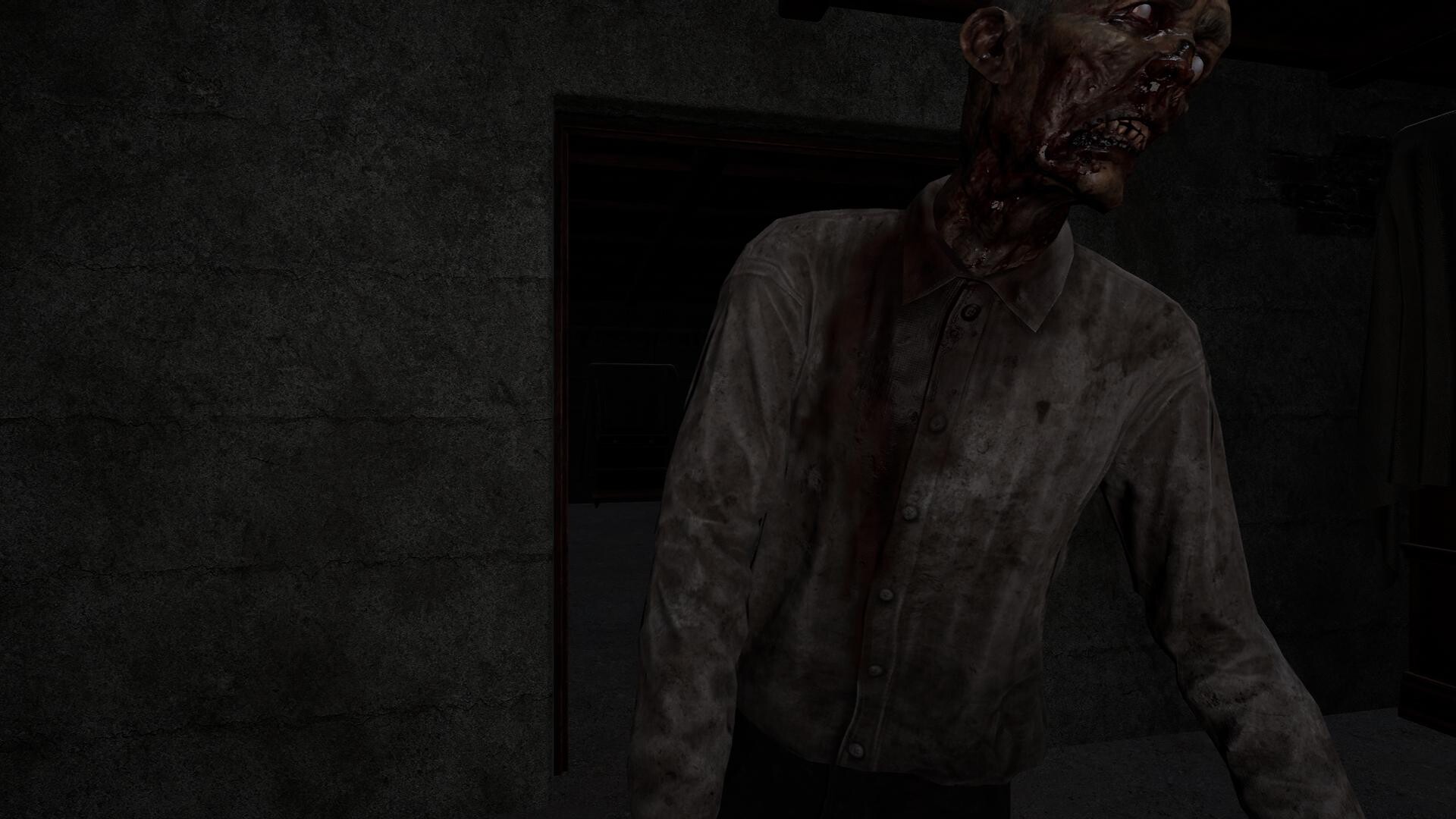
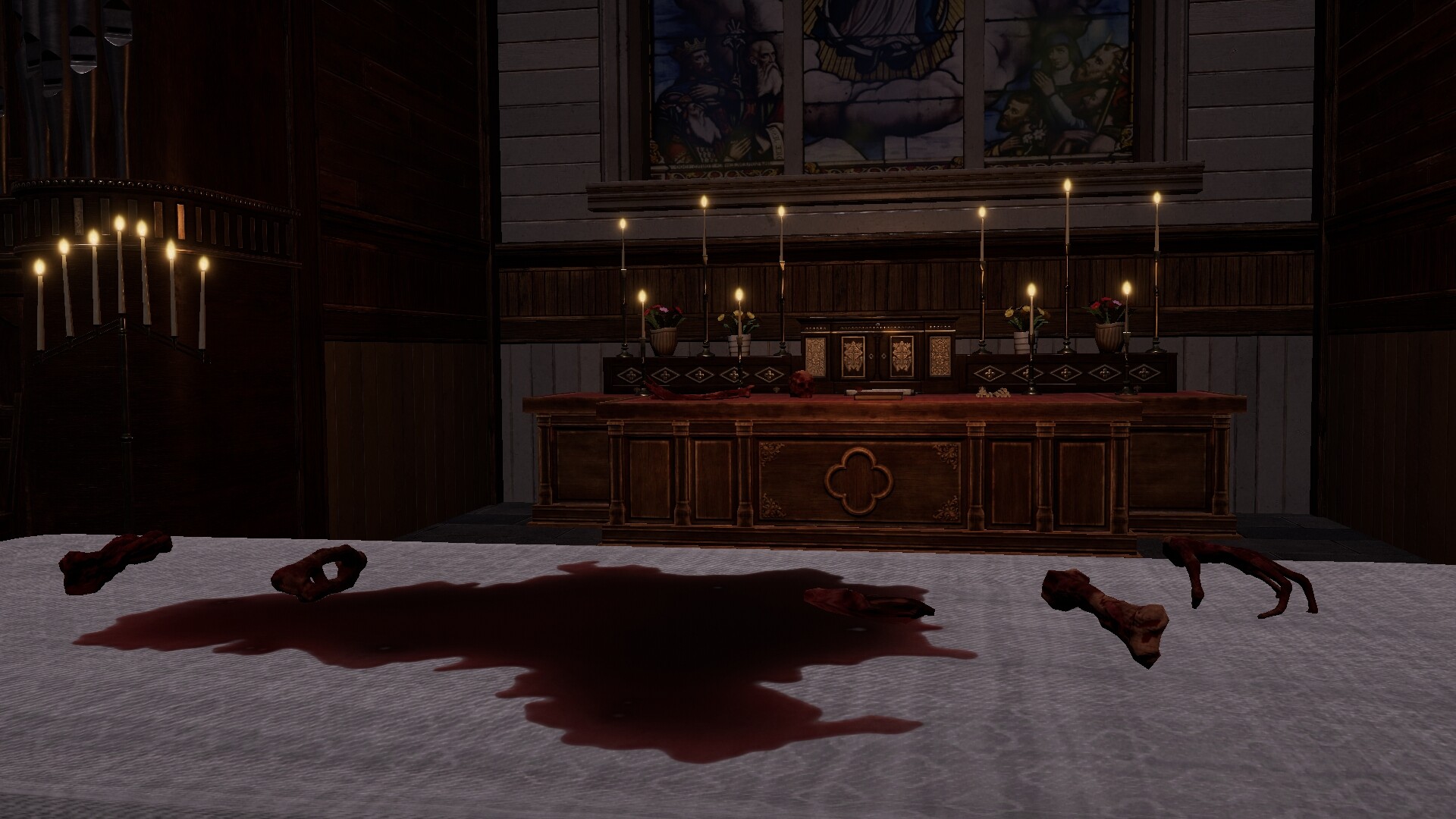
The official premise centers on Jin, whose years-long search for a missing sister brings him to a property cut off from the grid and “deliberately forgotten.” Inside, rooms feel “erased”: furnished but missing personal identifiers. According to the official description, when Jin restores power to the estate, secured systems come back online, hidden compartments unlock, and safes yield fragments of encrypted documents and suspicious transfer records. That sequence—restore, reveal, read—defines the central gameplay loop.
When and where
Trace of the Villa released on 28 May, 2026 and is listed on Steam for PC. The Steam listing highlights accessibility options such as color alternatives and subtitle support and marks the title as single-player.
Why the theme matters: power, identity, and the architecture of evidence
Restoring power is more than a mechanical unlock here; it’s a narrative device that re-activates the house as a source of testimony. The official description explicitly notes the estate was “deliberately forgotten” and that identities within the house were stripped away—so every recovered recording, transfer record, or unlocked compartment becomes a fragment in a pattern of control. For players interested in psychological investigation and narrative puzzles, that creates a satisfying loop: structural obstacles yield documentary fragments, and those fragments reframe previously visited spaces.
How progression works in practice: locked-room thinking and clue chains
Trace of the Villa frames progression around a few concrete acts you can expect: restore power, re-enable secured systems, find hidden compartments, and gather fragments from safes and manifests. That order encourages locked-room thinking—you must read the immediate environment for how to reactivate systems, then follow chains of evidence between rooms. The game’s design language, per the official description, leans on environmental storytelling and archival clues (suspicious transfers, encrypted documents) rather than on combat or time-pressure, which suits players who enjoy slow, deductive exploration.
How it compares to nearby mystery and puzzle titles
Below is a compact editorial comparison that focuses on atmosphere, puzzle focus, exploration style, story tone, and pacing—useful signals for deciding whether Trace of the Villa fits your tastes.
| Game | Core focus | Atmosphere / Story tone | Puzzle / Exploration style | Player fit |
|---|---|---|---|---|
| Trace of the Villa | Action / Adventure with investigation emphasis | Decaying mansion, slow-burn, personal investigation | Environmental reading, power restoration unlocks systems, document fragments | Players who like narrative puzzle design and evidence reconstruction |
| The Room | Adventure / Indie | Intimate, cryptic, object-driven mystery | Mechanical puzzle boxes and tactile riddles | Fans of focused, object-based puzzle solving |
| The Room Two | Adventure / Indie | Mystical, atmospheric, episodic chambers | Layered mechanical puzzles in a hall-of-rooms structure | Players who like sequential puzzle vignettes with strong tactile feedback |
| Escape Simulator | Adventure / Simulation / Indie | Bright, interactive, room-varied | Highly interactive object manipulation; co-op friendly | Groups or solo players who want sandboxy, physics-driven room puzzles |
| Hi-Fi RUSH | Action | Energetic, music-driven, fast-paced | Action and rhythm-based combat, not puzzle exploration | Players seeking kinetic, music-synced action |
| Football Manager 2022 | Simulation / Sports | Data-driven, managerial | Systems and decision-making, not environmental puzzles | Players who enjoy long-form strategic management |
Editorial note: these comparisons are meant to clarify player fit. Trace of the Villa sits closest to atmospheric, evidence-driven mystery adventures rather than action rhythm games or management simulations.
Player scenarios — who will enjoy the loop
Scenario A: The patient investigator
You enjoy reading item descriptions, revisiting rooms after a new clue reframes them, and slowly assembling a timeline. The game’s emphasis on re
YouTube discovery
For trailer and gameplay discovery, use YouTube search rather than relying on unverified embeds: Find Trace of the Villa trailer and gameplay searches on YouTube.
Leave a Reply