Trace of the Villa: a premise-first guide for players who want story context without spoilers
An atmospheric mystery adventure built around Jin’s search for a missing sister—Trace of the Villa asks you to follow paper trails, restore systems, and read a mansion’s emptied rooms for meaning. This short, spoiler-free guide lays out who should wishlist the game, what the premise promises, when and where it’s available, why its narrative setup matters, and how the game delivers clues and progression.

| Title | Trace of the Villa |
|---|---|
| Steam AppID | 3483660 |
| Release date | 28 May, 2026 |
| Developer / Publisher | Steadyturtle Co., Ltd. |
| Genres | Action, Adventure, Indie |
| Key categories | Single-player; Color Alternatives; Custom Volume Controls; Playable without Timed Input; Subtitle Options; Family Sharing |
| Official premise (short) | Jin has spent years searching for his missing sister, pursuing leads that took him to a remote, decaying mansion where he recovered manifests and hints that indicate his sister may still be alive, somewhere at the end of the trail he is about to follow. |
Who is this for?
Trace of the Villa is aimed at players who prioritize narrative curiosity and environmental storytelling: people who prefer clue-driven exploration to combat spectacle, and who enjoy piecing together a hidden backstory from manifests, logs, and a house that “feels less abandoned than erased.” It will also suit players who appreciate indie pacing—slow-burn suspense and puzzle-led revelations—while valuing accessibility options like subtitle support and Playable without Timed Input.
What the game is (premise-first)
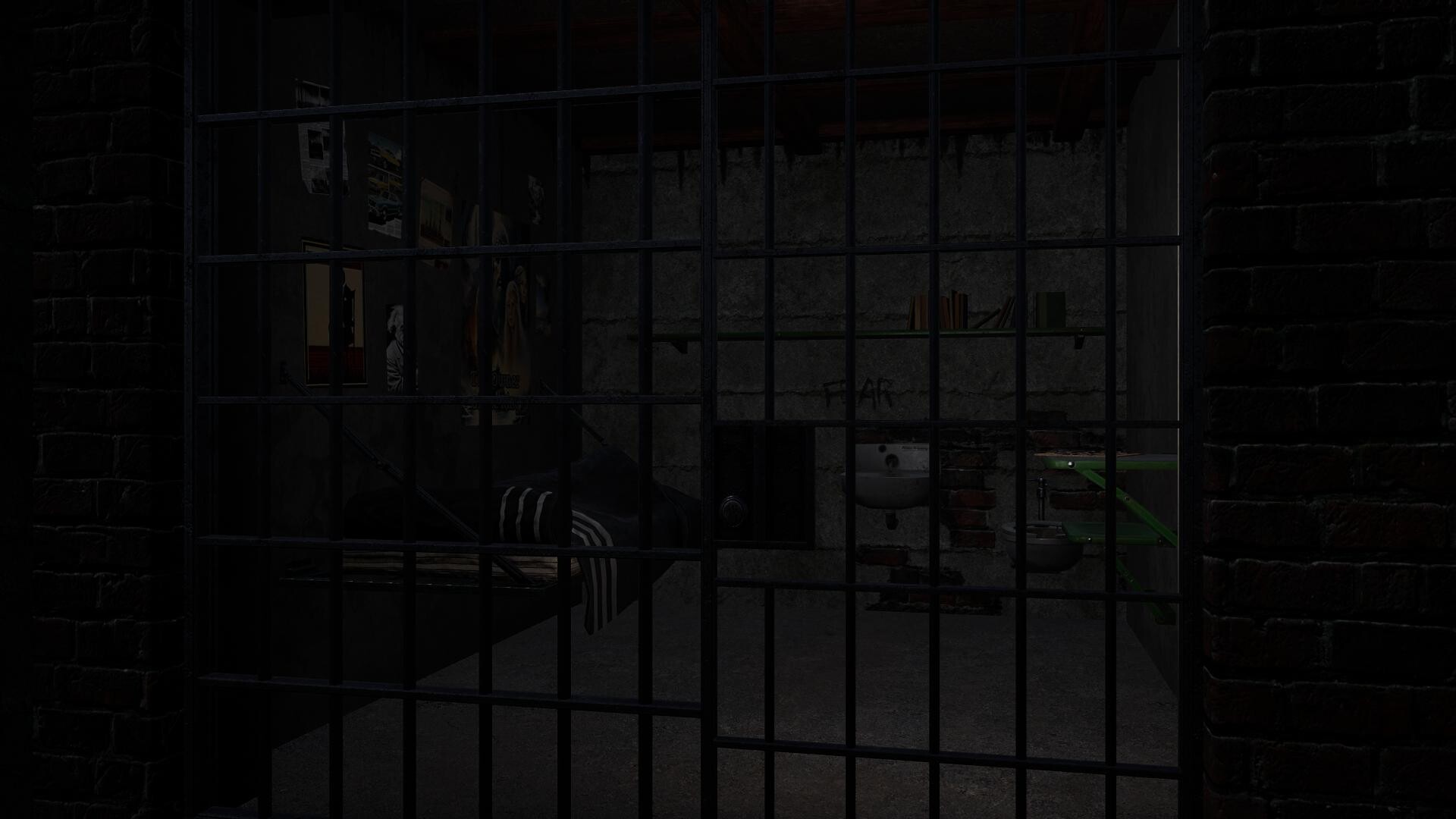
Officially described by the developer, Jin is the protagonist hunting for his missing sister. His search leads him to a deliberately forgotten mansion with no recent records or ownership, yet clear signs that people once lived there. Restoring power and systems inside the estate triggers layers of discovery: secured systems coming back online, hidden compartments, safes that open to fragments of encrypted documents, suspicious transfer records, and manifests. The house’s emptied routines and missing names create a very specific kind of mystery—the narrative curiosity here is less about immediate jump scares and more about the backstory you reconstruct from physical and digital traces.

When and where — Steam details
Trace of the Villa released on 28 May, 2026 on Steam. It is developed and published by Steadyturtle Co., Ltd. The Steam page lists the game’s genres as Action, Adventure, and Indie and notes single-player and accessibility-related categories such as Color Alternatives, Custom Volume Controls, Subtitle Options, and Playable without Timed Input.
Why the theme matters
Many mystery-focused indie games rely on atmosphere and the slow dawning of context rather than explicit exposition. Trace of the Villa’s premise—an estate wiped of names, identities, and recent records—foregrounds narrative curiosity: you’re drawn in by the question “what happened here?” rather than being spoon-fed. The theme also matters because it signals the type of emotional tone you should expect: quiet, investigative, and focused on piecing together a concealed operation from bureaucratic and domestic artifacts (manifests, transfer records, encrypted fragments). That matters for players who want cognitive rewards—solving narrative puzzles—over action set pieces.
How you read clues and progress (spoiler-free)
- Primary tools of discovery are environmental and systemic: restoring power and systems reveals locked or hidden content, and safes or secured devices yield fragments that push the timeline forward.
- Progress comes from assembling documentary fragments—manifests, encrypted documents, and transfer records—into a coherent pattern rather than from dialogue-heavy cutscenes.
- Expect exploration of furnished rooms, locked doors, and digital interfaces that open additional layers of the mansion’s story; the official description emphasizes that identities were removed, so clues are often implicit rather than labeled.
- Accessibility options noted on Steam (subtitles, no timed input) suggest a playstyle that accommodates careful reading and reflection rather than reflex-based sequences.
Player scenarios — should you wishlist it?
- If you spend free time deciphering environmental storytelling and enjoy reconstructing how a place’s history fits together from small fragments, wishlist this.
- If you prefer puzzle games that lean heavily on systemic discovery (reactivating systems, unlocking safes, reading manifests) over combat-driven progression, wishlist this.
- If you want fast-paced action or a clear combat loop, this title’s emphasis on narrative investigation may not be your primary draw.
- If accessibility and single-player narrative focus are priorities (subtitles, color alternatives, no timed input), this is a good fit.
How Trace of the Villa compares to nearby story-rich indie titles
Below is a compact editorial comparison focused on tone, puzzle focus, exploration, and pacing to help readers decide whether Trace of the Villa matches their tastes.
| Title | Shared appeal (tone / why you might like it) | Key differences (pacing / puzzle / exploration) |
|---|---|---|
| Inscryption | Strong sense of concealed secrets; puzzles that reveal deeper layers of narrative. | Inscryption blends card-based mechanics and meta-puzzle structure; Trace of the Villa centers on environmental documents and estate systems rather than deckbuilding mechanics. |
| Outer Wilds | Curiosity-driven mystery and reward for player-led discovery. | Outer Wilds is an open-world, time-loop solar system exploration; Trace of the Villa is a focused mansion investigation with document- and system-based clues rather than planetary navigation or time loops. |
| The Forgotten City | Narrative-driven mystery where player choices and clever puzzle exploitation reveal the past. | The Forgotten City uses time-loop and social-puzzle mechanics in an ancient setting; Trace of the Villa is contemporary, confined to an estate, and built around recovering erased identities from manifests and records. |
| The Medium | Psychological investigation and atmosphere that hinge on layered realities and story tone. | The Medium juxtaposes spirit-realm mechanics with third-person exploration; Trace of the Villa focuses on forensic-style recovery of documents and systems without the dual-reality mechanic. |
| Journey | Quiet, contemplative pacing and environmental storytelling. | Journey is a minimalist exploration with cooperative possibilities and a focus on movement over document-driven clues; Trace of the Villa is more document- and puzzle-centric with single-player investigation at its core. |
Practical notes from the
Steam page
View Trace of the Villa on Steam
YouTube discovery
For trailer and gameplay discovery, use YouTube search rather than relying on unverified embeds: Find Trace of the Villa trailer and gameplay searches on YouTube.
Leave a Reply