
Trace of the Villa — How Quiet Dread Outpaces Cheap Shocks in Mansion Mysteries
Trace of the Villa sets its tone on silence and erasure: Jin arrives at a remote, decaying mansion following a lead that might finally answer what happened to his missing sister. The game leans on atmospheric uncertainty — sealed rooms, interrupted routines, and systems that only reveal their secrets when power is restored — rather than loud jump scares.

Quick facts
| Title | Trace of the Villa |
|---|---|
| Release date | 28 May, 2026 |
| Developer / Publisher | Steadyturtle Co., Ltd. |
| Official premise | Jin searches a remote, decaying mansion where recovered manifests and hints suggest his sister may still be alive. |
| Genres | Action, Adventure, Indie |
| Steam categories / accessibility | Single-player; Color Alternatives; Custom Volume Controls; Playable without Timed Input; Subtitle Options; Family Sharing |
| Steam page | View Trace of the Villa on Steam |
Who this is for
If you prefer slow-burn suspense and environmental storytelling to adrenaline spikes, Trace of the Villa is aimed squarely at you. The official description frames the experience as an investigative, clue-driven exploration: players piecing together a timeline from manifests, encrypted documents, and locked rooms. Those who value mood, unspoken history, and puzzle-led progression more than constant combat or scripted frights should wishlist this title.
What the game is (and what it intentionally isn’t)
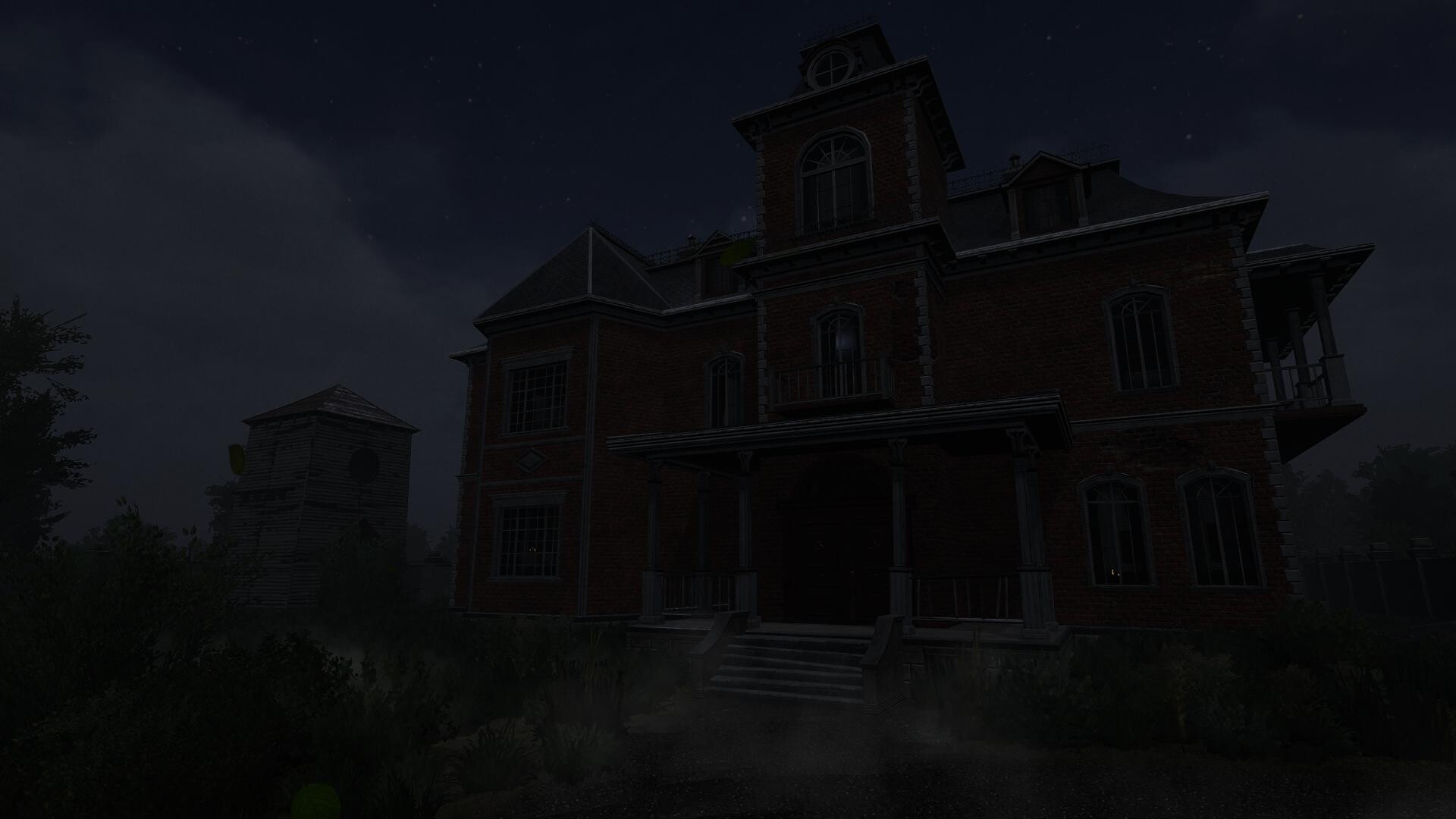
Trace of the Villa places a named protagonist, Jin, at the center of a psychological investigation: a secluded mansion with signs of past occupancy but an absence of identity markers — no names, no photographs, “as if identities themselves were removed.” The estate’s systems come back online when Jin restores power, unlocking safes, hidden compartments, and fragments of a carefully concealed operation (financial trails, falsified identities, arrivals without records). The experience, per the official Steam description, is about reading spaces and documents to reconstruct what happened.
When and where — Steam / PC context
Trace of the Villa launched on Steam on 28 May, 2026 and is listed with standard single-player and accessibility categories that matter to PC players: color alternatives, subtitle options, custom volume controls, and a “playable without timed input” tag. Developer and publisher are both Steadyturtle Co., Ltd., and the Steam page hosts header and screenshot assets that emphasize the estate’s faded domestic spaces.
Why quiet tension and uncertainty matter
Psychological horror that relies on omission — the photographs that are missing, the names scrubbed from ledgers, a room arranged as if its inhabitants left mid-task — creates sustained anxiety in a different register than jump scares. Uncertainty forces the player to occupy the protagonist’s detective posture: every unanswered question grows weightier the longer it remains unresolved. In Trace of the Villa’s premise, the mansion’s “erased” quality makes ordinary objects suspicious. Restoring power doesn’t just illuminate a corridor; it changes the house from a static tableau into an active evidence source, which ties narrative pacing to exploration and puzzle-solving rather than scripted shocks.
How progression and clues work
- Exploration is clue-driven: players find manifests, encrypted documents, safes, and hidden compartments that incrementally reveal a larger operation.
- Restoring systems is a key mechanic in the official description: bringing power back online unlocks new interactions and reveals secured secrets.
- Puzzle resolution appears to be entwined with narrative discovery: solving one lock or decrypting one file yields another lead rather than a single isolated payoff.
- The Steam categories suggest accessibility in pacing — “playable without timed input” means you can take time with investigation without forced reaction windows.
Comparison: where Trace of the Villa sits among slow-burn horrors
The table below is an editorial comparison using lawful criteria: genre/atmosphere focus, puzzle vs. survival emphasis, exploration style, and pacing to help you decide fit.
| Title | Genre / Core focus | Atmosphere | Puzzle vs. Survival | Exploration & Pacing |
|---|---|---|---|---|
| Trace of the Villa | Action / Adventure / Indie — mansion mystery, clue-driven investigation | Quiet, erasure-driven dread; domestic spaces that feel “erased” | Puzzle-led narrative discovery (documents, safes, systems) | Slow-burn: systems restoration unlocks layers; investigative tempo |
| Amnesia: The Dark Descent | Action / Adventure / Indie — immersion and survival-focused horror | Claustrophobic and oppressive, emphasis on helplessness | Low-combat survival; puzzles support survival tension | Slow to mid-paced; high tension punctuated by survival mechanics |
| SOMA | Action / Adventure / Indie — sci-fi existential horror | Brooding and isolating; philosophical dread | Exploration and narrative puzzles with survival elements | Measured pacing; narrative unfolds through environment and logs |
| Layers of Fear (2016) | Adventure / Indie — psychological mansion-focused horror | Surreal, shifting mansion; interiorized madness | Puzzle and environmental storytelling focused | Fragmented, chapter-driven pacing; emphasis on atmosphere |
| Poppy Playtime | Action / Adventure / Indie — toy-factory horror with puzzle devices | Colorful yet uncanny; toy-centric dread | Puzzle gadgets mixed with chase sequences | Faster pacing and set-piece encounters compared to slow-burn titles |
Player scenarios — who should wishlist this
- If you want a story-first PC mystery game where evidence and documents drive the narrative beats, wishlist it.
- If you appreciate environmental storytelling and lingering dread created by what’s missing as much as what’s present, this fits your interests.
- If you prefer real-time survival pressure or frequent combat, this may not be your primary pick — the Steam tags emphasize single-player exploration and accessibility options rather than survival mechanics.
- If you need control options and accessibility (color alternatives, subtitle options, custom volume controls), the Steam listing flags those features.
Images and visual tone

YouTube discovery
For trailer and gameplay discovery, use YouTube search rather than relying on unverified embeds: Find Trace of the Villa trailer and gameplay searches on YouTube.
Leave a Reply