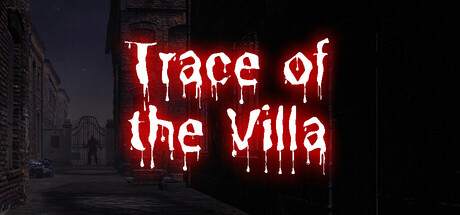
Trace of the Villa: a story-first mansion mystery that asks you to read the house
Trace of the Villa puts narrative curiosity in the driver’s seat: you play Jin, a brother following a cold trail of manifests and hints to a decaying, off‑grid mansion where the past has been deliberately erased. Released on 28 May, 2026 by Steadyturtle Co., Ltd., the game frames investigation as an act of reconstruction — of power, records, and the meaning behind absences.

Who should wishlist Trace of the Villa?
If you prize story-first mystery design over combat spectacle, this is for you. The game targets players who enjoy atmospheric mystery adventure and environmental storytelling: those who prefer reading rooms, reassembling timelines from objects, and solving puzzles that unlock narrative fragments. Accessibility-friendly categories like subtitles, color alternatives, and “playable without timed input” also make the game a fit for players who need a less reflex-driven experience.
What the game is — tone, premise, and design
Trace of the Villa is an Action / Adventure / Indie title from developer‑publisher Steadyturtle Co., Ltd. Its official short description positions Jin’s search for his missing sister at the heart of the experience: “Jin has spent years searching for his missing sister, pursuing leads that took him to a remote, decaying mansion where he recovered manifests and hints that indicate his sister may still be alive, somewhere at the end of the trail he is about to follow.”
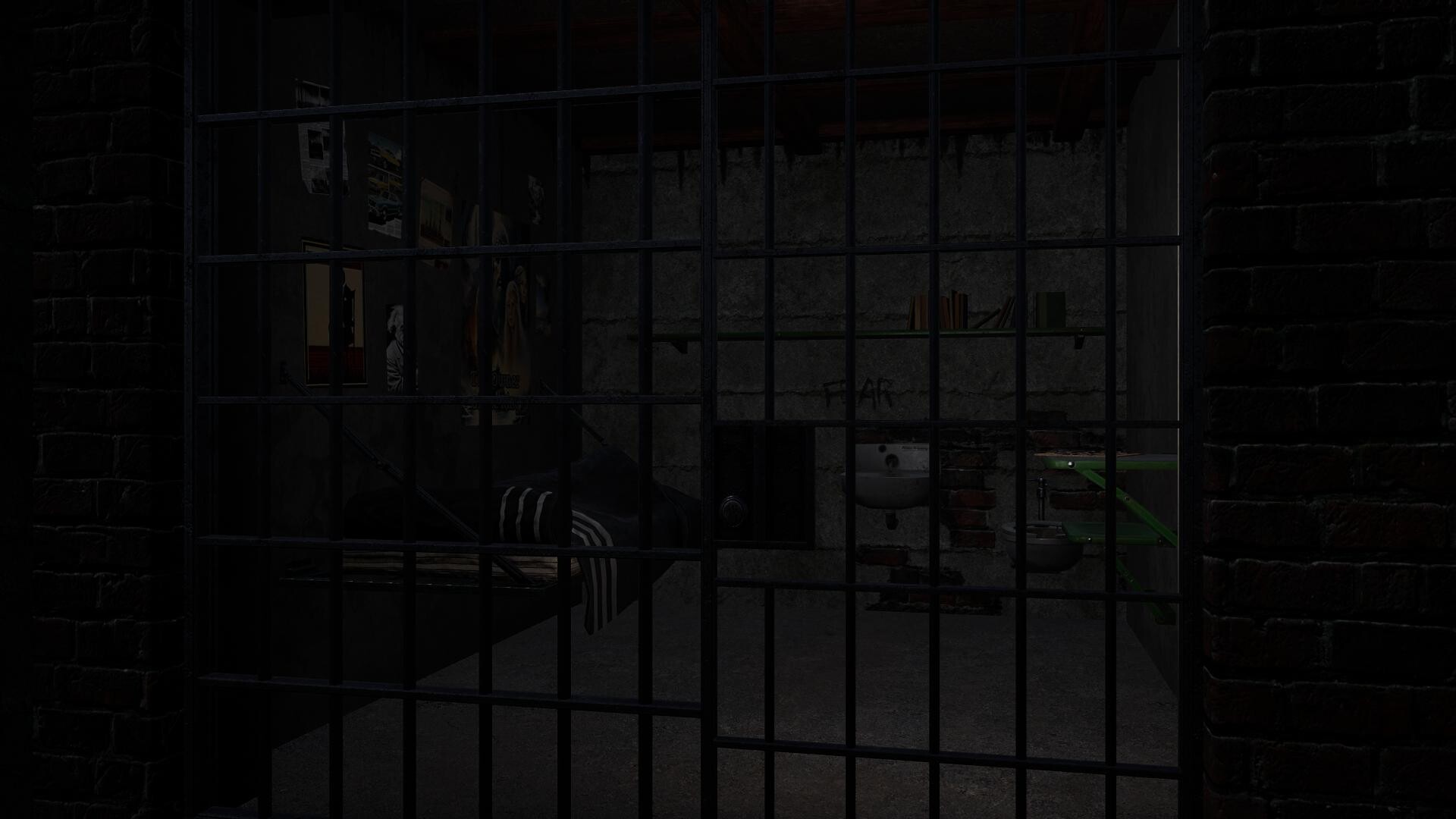
The fuller Steam description underlines the game’s approach: the mansion feels “less abandoned than erased,” with rooms left mid‑routine and records deliberately missing. When Jin restores power and systems, the house starts yielding encrypted documents, transfer records, and locked compartments — each solved puzzle revealing another layer of an organized, concealed operation. In short: investigation is the primary loop, and each mechanical unlock is also a narrative one.
When and where
Trace of the Villa launched on Steam on 28 May, 2026. It’s a PC/Steam release listed with single‑player focus and has Steam categories for accessibility and user comfort (Color Alternatives, Custom Volume Controls, Playable without Timed Input, Subtitle Options, Family Sharing).
Why the premise matters: attraction of “erasure” mysteries
Mansion mysteries that foreground erasure — missing names, falsified identities, and financial trails that lead nowhere — invite a specific kind of curiosity. They reward methodical players who treat décor and devices as testimony rather than mere window dressing. Trace of the Villa uses that structural absence to push players toward piecing together motive and system, not just individual events. For players interested in puzzles that justify themselves narratively, this approach can be much more satisfying than puzzles that exist purely to gate progression.
How you read clues and progress
Progress in Trace of the Villa is clue-driven: restore estate power, re-enable secured systems, and unlock safes and compartments to recover encrypted manifests and transfer records. Each discovery is meant to reframe what you already know — a safe’s contents recontextualize a room’s layout; a transaction record suggests who moved through the estate. The design emphasizes environmental storytelling and investigation loops over timed reaction tests, supported by Steam tags like “Playable without Timed Input.”

Quick facts
| Title | Trace of the Villa |
|---|---|
| Developer / Publisher | Steadyturtle Co., Ltd. |
| Release date | 28 May, 2026 |
| Genres | Action, Adventure, Indie |
| Key Steam categories | Single-player; Color Alternatives; Custom Volume Controls; Playable without Timed Input; Subtitle Options; Family Sharing |
| Protagonist / Premise | Jin — searching for his missing sister; decaying mansion, recovered manifests and hints suggest she may still be alive. |
How it compares — editorial discovery
For readers weighing Trace of the Villa against other narrative mysteries, here’s a practical comparison grounded in genre, atmosphere, puzzle focus, exploration style, story tone, and pacing.
| Title | Primary genre / tone | Narrative focus | Puzzle / exploration style | Pacing |
|---|---|---|---|---|
| Trace of the Villa | Action / Adventure; atmospheric mansion mystery | Clue-driven reconstruction of erased histories (investigation) | Environmental puzzles, restoring systems, unlocking documents | Slow‑burn, investigative |
| Inscryption | Adventure / Indie; psychological horror | Meta narrative and secrets embedded in mechanics | Card‑based puzzles and escape‑room segments | Variable; tense, often claustrophobic |
| Outer Wilds | Action / Adventure; cosmic mystery | Exploratory discovery across an interconnected system (time loop) | Environmental puzzles, physics/astronomical systems | Unhurried, discovery-driven |
| The Medium | Adventure; psychological investigation | Dual-reality narrative, confronting trauma and echoes | Environmental puzzles, dual-world mechanics | Steady, atmospheric |
| The Forgotten City | Adventure / Indie / RPG; moral mystery |
Leave a Reply