
Trace of the Villa — a story-first mansion mystery built around reading traces of a life
Jin has spent years searching for his missing sister, following a lead to a remote, decaying mansion where manifests and hints suggest she may still be alive somewhere at the end of his trail. Trace of the Villa is a slow-burn, story-first mystery from Steadyturtle Co., Ltd. that stitches environmental storytelling, restoration of lost systems, and clue-driven exploration into an investigation about identity and disappearance.

Quick facts
| Title | Trace of the Villa |
|---|---|
| Release date | 28 May, 2026 |
| Developer / Publisher | Steadyturtle Co., Ltd. |
| Genres | Action, Adventure, Indie |
| Steam categories | Single-player; Color Alternatives; Custom Volume Controls; Playable without Timed Input; Subtitle Options; Family Sharing |
| Steam app | Trace of the Villa on Steam |
What the game is
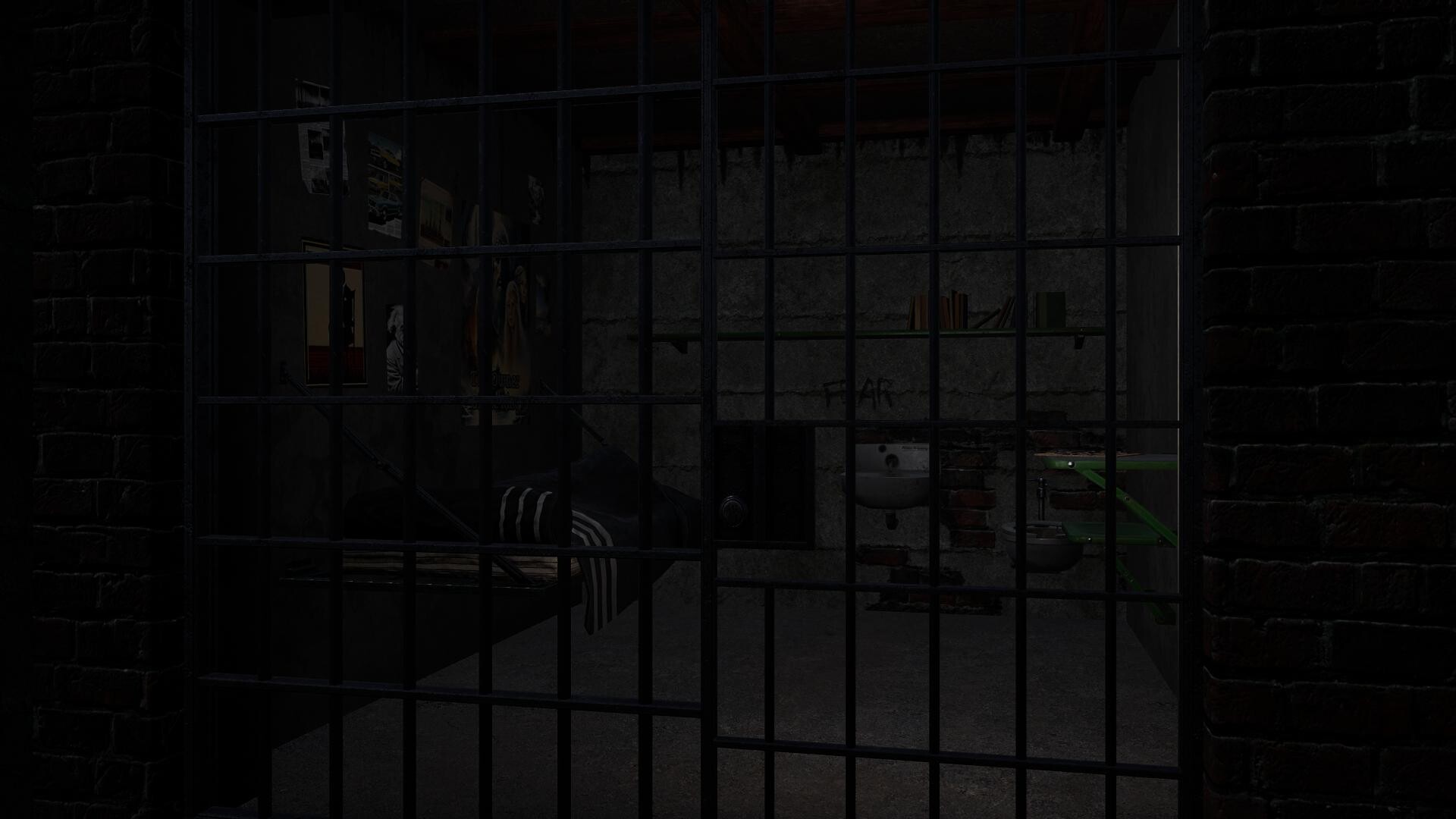
The official premise sets the tone: Jin’s search leads him to “a decaying mansion, a property cut off from the grid and deliberately forgotten.” Inside, rooms feel “less abandoned than erased”: furnished but missing history, personal items without photographs or names, locked doors and hastily secured secrets. When Jin restores power to the estate, secured systems come back online, hidden compartments unlock, and safes yield fragments of encrypted documents and suspicious transfer records. The story that emerges centers on falsified identities, people moving through the place under strict control, and arrivals and departures recorded nowhere.

Who this is for
Wishlist Trace of the Villa if you favor story-first mystery design: players who want environmental storytelling and an investigation that rewards patient reading of clues over constant action. It fits those who enjoy slow-burn suspense, unspooling a hidden backstory through recovered manifests, encrypted fragments, and systems you bring back online. The presence of the Action tag hints at some pacing variety, but the Steam categories (notably Playable without Timed Input and Subtitle Options) point toward accessibility for players who prioritize reading and deduction.
When and where
Trace of the Villa released on 28 May, 2026 and is available on Steam for PC. The game’s Steam page lists it as single-player and provides accessibility touches such as color alternatives, custom volume controls, and subtitle options—details useful for players who want an immersive narrative experience without forced reflex checks.
Why the theme matters
The central mystery is intimate: the search for a missing sister threads personal stakes into what otherwise reads like an institutional erasure. The game deliberately removes names and photographs from the mansion’s trappings, so every recovered manifest or financial record becomes an act of re‑naming. For players who prize narrative curiosity—questions of identity, culpability, and the logistics that hide people—this framing turns puzzle-solving into acts of moral and historical reconstruction.
How you uncover meaning
Rather than relying solely on explicit exposition, the design described on Steam emphasizes layered discovery. Restoring power reactivates secured systems; hidden compartments and safes release fragments—manifests, encrypted documents, and suspicious transfer records—that together map a concealed operation. Gameplay progression, as described, hinges on piecing fragments into a coherent timeline: arrivals without records, departures without witnesses, and movements masked behind falsified identities. That pattern suggests a clue-driven loop where mechanical tasks (power, unlocking, decrypting) reveal human traces and narrative inflection points.
Player scenarios — who will enjoy it most
- The methodical investigator: You enjoy scanning rooms for incongruous objects, cataloguing paper trails, and assembling timelines from fragments. The mansion-as-evidence-chest design plays to that skillset.
- The narrative-first player: You prioritize motive and consequence over spectacle. The missing-sister premise makes discoveries feel personal; you’ll play for revelations about people, not leaderboards.
- The explorer who prefers accessibility: With “Playable without Timed Input” listed, the game accommodates players who dislike reflex-based gating or strict time pressures during puzzle moments.
- The atmosphere seeker with limited tolerance for jarring mechanics: If you want suspense and slow-burn dread with control over pacing and readable UI (subtitles, color alternatives), this fits better than titles that demand quick-time precision.
How it compares — narrative mystery neighbors
Below is a compact editorial comparison focused on narrative focus, puzzle style, atmosphere, and player fit. These comparisons are meant to help you decide whether Trace of the Villa suits your appetite for story-driven mystery and environmental puzzles.
| Title | Narrative focus | Puzzle / exploration style | Atmosphere & pacing | Player fit |
|---|---|---|---|---|
| Trace of the Villa | Personal disappearance; institutional erasure via manifests and falsified identities | Clue-driven: restore systems, unlock compartments, decrypt documents | Slow-burn mansion mystery, quiet dread | Players who prefer reading clues and assembling timelines |
| Inscryption | Psychological horror wrapped in layered meta-narrative | Card-based puzzles that blend escape-room logic with roguelike structure (per published descriptions) | Dark, oppressive, genre-bending; faster tonal shifts | Players who like psychological twists and mechanics-as-story |
| Outer Wilds | Cosmic mystery: understand a solar system trapped in a time loop | Exploration-led uncovering of interlocking systems and timelines | Curious, contemplative, emergent pacing | Players who enjoy open investigation across interconnected locales |
| Journey | Evocative, wordless narrative about discovery and progression | Exploration and visual puzzles; minimal explicit exposition | Quiet, poetic, deliberate pacing | Players seeking atmospheric, interpretive journeys without heavy text |
| The Forgotten City | Time-loop narrative mystery with moral stakes | Puzzle-solving tied to dialogue and consequence, systematic experimentation | Focused, story-driven, investigative pacing | Players who want narrative puzzles that change with decisions |
| The Medium | Psychological horror exploring dual realms and echoes of trauma | Third-person exploration across two realities, environmental puzzles | Haunting, reflective, mood-driven | Players drawn to supernatural atmosphere and emotional stories |
YouTube discovery
If you want to watch trailers or early gameplay clips, use this YouTube search path (search results may include trailers and player videos):
Leave a Reply