
Trace of the Villa: a slow-burn mansion mystery that asks you to read absence as evidence
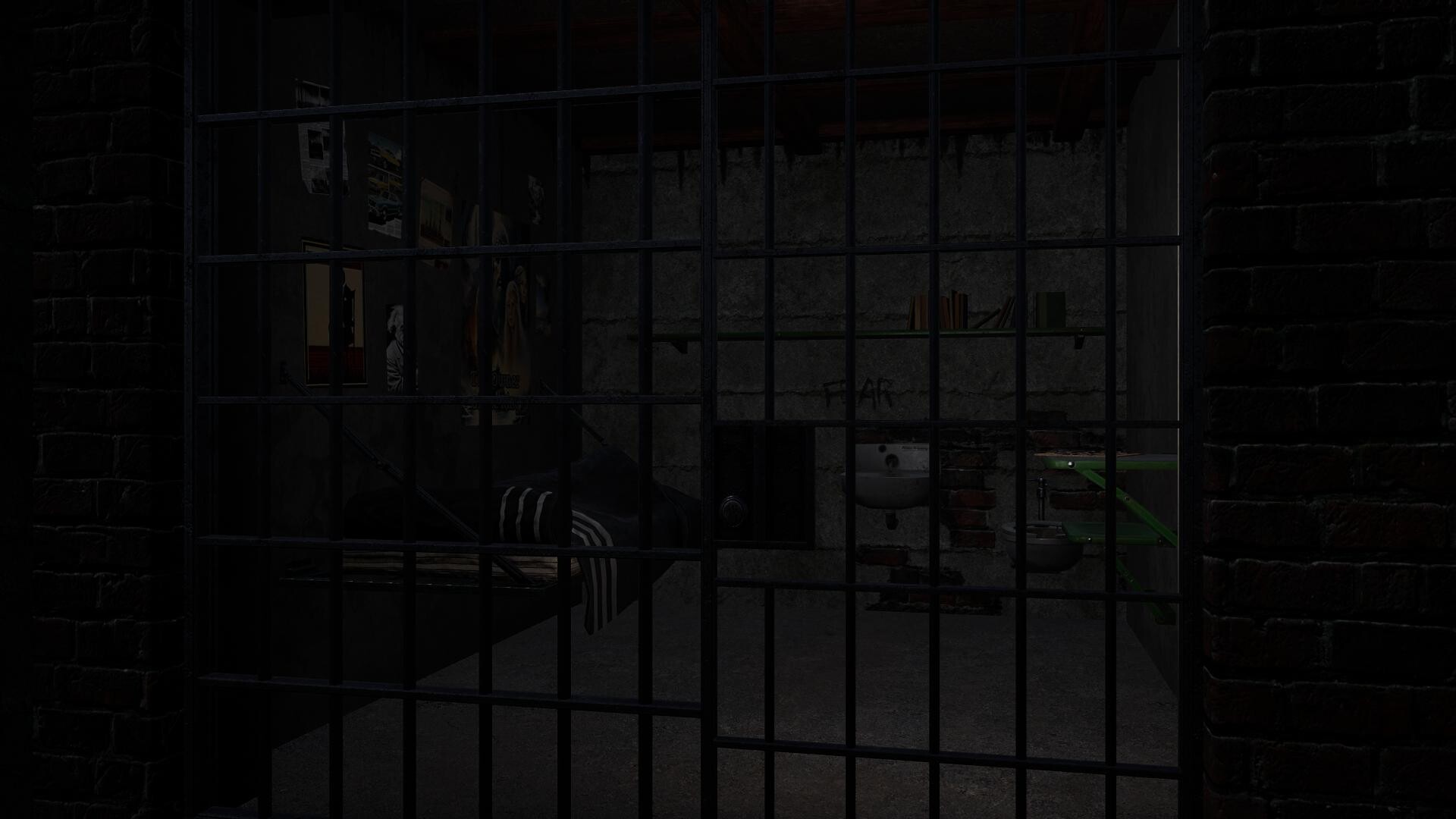
Trace of the Villa places a focused, personal investigation at the centre of its mystery: Jin follows cold leads to a decaying, off‑grid mansion and begins restoring power so the house can start telling its own story. Released 28 May, 2026 from developer/publisher Steadyturtle Co., Ltd., the game leans on environmental storytelling, clue-driven exploration, and piecing together erased identities.

Who this is for
If you enjoy atmospheric mystery adventure on PC and prefer story clues tucked into environment and documents rather than overt exposition, Trace of the Villa is aimed at you. Players who favor slow-burn suspense, investigation that rewards patient reading of manifests and system logs, or narrative puzzle design where every unlocked compartment changes the trail will likely find the tone appealing.
What the game actually is
Trace of the Villa is listed on Steam as an Action / Adventure / Indie title. You play as Jin, a protagonist who has spent years searching for his missing sister. A lead brings him to a remote, deliberately forgotten mansion where rooms appear frozen mid‑routine and records have been scrubbed. Restoring power and unlocking safes yields encrypted documents, suspicious transfer records, falsified identities, and signs that people passed through under strict control — clues that suggest the house was part of a larger, concealed operation and that Jin’s sister may still be alive somewhere at the end of the trail.
When and where
Trace of the Villa released on 28 May, 2026 and is available on Steam for PC. The store page includes official visuals and the game’s Steam AppID: 3483660.
Why the theme matters
The narrative hook hinges on absence as evidence: furnished rooms without photos or names, arrivals with no records, and movements masked behind falsified identities. That core mystery—identity removed rather than simply hidden—gives exploration an investigative weight. Restoring estate systems is not just mechanical progression; it yields new narrative registers (logs, encrypted fragments, transfer trails) that change how you interpret what’s already been discovered.
How you progress: reading clues, restoring systems, unlocking secrets
The Steam description makes the gameplay loop clear in tone: you restore power and systems, open locked doors and safes, and piece together timelines from manifests and encrypted documents. Progress is driven by solving environmental puzzles and following financial and identity traces rather than combat spectacle. The categories on the Steam page—Single-player, Playable without Timed Input, Subtitle Options, Color Alternatives, Custom Volume Controls—suggest a focus on accessibility for players who want to focus on reading and puzzle work at their own pace.

Compact facts — Trace of the Villa
| Title | Trace of the Villa |
|---|---|
| Steam AppID | 3483660 |
| Developer | Steadyturtle Co., Ltd. |
| Publisher | Steadyturtle Co., Ltd. |
| Release date | 28 May, 2026 |
| Genres | Action, Adventure, Indie |
| Key Steam categories | Single-player; Playable without Timed Input; Subtitle Options; Color Alternatives; Custom Volume Controls; Family Sharing |
Who should wishlist it — concrete player scenarios
- Paper‑trail detectives: you enjoy hunting manifests, encrypted snippets, and financial traces to reconstruct a timeline.
- Environmental story players: you prefer a slow, atmosphere-first mansion where the setting supplies the narrative beats.
- Accessible explorers: the game’s Steam categories indicate a design that supports players who avoid timed inputs and want subtitle/color options.
- Players seeking a personal mystery: the protagonist’s search for a missing sister gives the investigation emotional stakes beyond abstract puzzles.
How it compares — editorial discovery table
| Title | Atmosphere / Tone | Puzzle / Exploration Focus | Pacing / Player Expectation |
|---|---|---|---|
| Trace of the Villa | Decaying mansion, erased identities, slow-burn suspense (investigative). | Clue-driven: manifests, encrypted documents, system restores, safes. | Measured; restores systems to reveal new narrative layers. |
| Inscryption | Inky, psychological, genre-blending horror and meta-narrative (card-based). | Puzzle/cardplay meets escape-room style reveals; high narrative opacity. | Darker, tightly structured revelations; more mechanical twists. |
| Outer Wilds | Curiosity-driven cosmic mystery; wonder and melancholy across an open system. | Exploration of a solar system; puzzles embedded in world physics and discovery. | Open-ended loop; player-driven pacing and synthesis across discoveries. |
| The Medium | Psychological horror with dual-realm exploration and atmospheric dread. | Environmental puzzles tied to real/spirit realm interplay and narrative beats. | Linear chapters with tense, story-led pacing. |
| The Forgotten City | Narrative-driven mystery with moral stakes and time-loop mechanics. | Dialogue and choice-heavy puzzles; systemic consequences from player actions. | Loop-based investigation where player experiments reveal outcomes. |
Notes: comparisons use lawful editorial criteria — genre, atmosphere, puzzle focus, exploration, story tone, and pacing — and are intended to help match preferences rather than rank quality.
Where to find footage and trailers
If you want to see trailer or gameplay footage, start with this YouTube search (useful for discovering official and community videos): Trace of the Villa — YouTube search. This is a discovery path; confirm video provenance on the uploader’s page.
Decision checklist — should you wishlist?
- Wishlist if you value slow‑burn, document-rich mysteries with an emotive throughline (a missing sister) and accessible play options.
- Consider watching a few minutes of footage first if you prefer faster pacing or physics-based puzzles; Trace of the Villa favours narrative puzzle unfolding over spectacle.
- If you enjoy games where restored
Steam page
Leave a Reply