
Trace of the Villa — puzzles as evidence in a decaying mansion mystery
Trace of the Villa places you in the shoes of Jin, a lone investigator piecing together a missing-persons trail inside a deliberately forgotten mansion. The game’s puzzles operate less as isolated challenges and more as physical evidence that rebuilds a stripped-away narrative.

What Trace of the Villa is
Developed and published by Steadyturtle Co., Ltd., Trace of the Villa is an action-adventure indie that frames puzzle-solving as investigative work. The official premise: Jin has spent years searching for his missing sister and follows a lead to a remote, decaying mansion where manifests and hints suggest she may still be alive. As you restore power and open locked compartments, secured systems and safes yield fragments of encrypted documents and transfer records that knit the story together.
Compact facts
| Title | Trace of the Villa |
|---|---|
| Steam App ID | 3483660 |
| Release date | 28 May, 2026 |
| Developer / Publisher | Steadyturtle Co., Ltd. |
| Genres | Action, Adventure, Indie |
| Categories (Steam) | Single-player; Color Alternatives; Custom Volume Controls; Playable without Timed Input; Subtitle Options; Family Sharing |
| Short description | Jin has spent years searching for his missing sister, pursuing leads that took him to a remote, decaying mansion where he recovered manifests and hints that indicate his sister may still be alive, somewhere at the end of the trail he is about to follow. |
When and where
Trace of the Villa launched on Steam on 28 May, 2026. The Steam page lists the game’s core genres and categories and provides the visual materials and trailers linked to the store listing.
Why the theme matters: puzzles as evidence and narrative logic
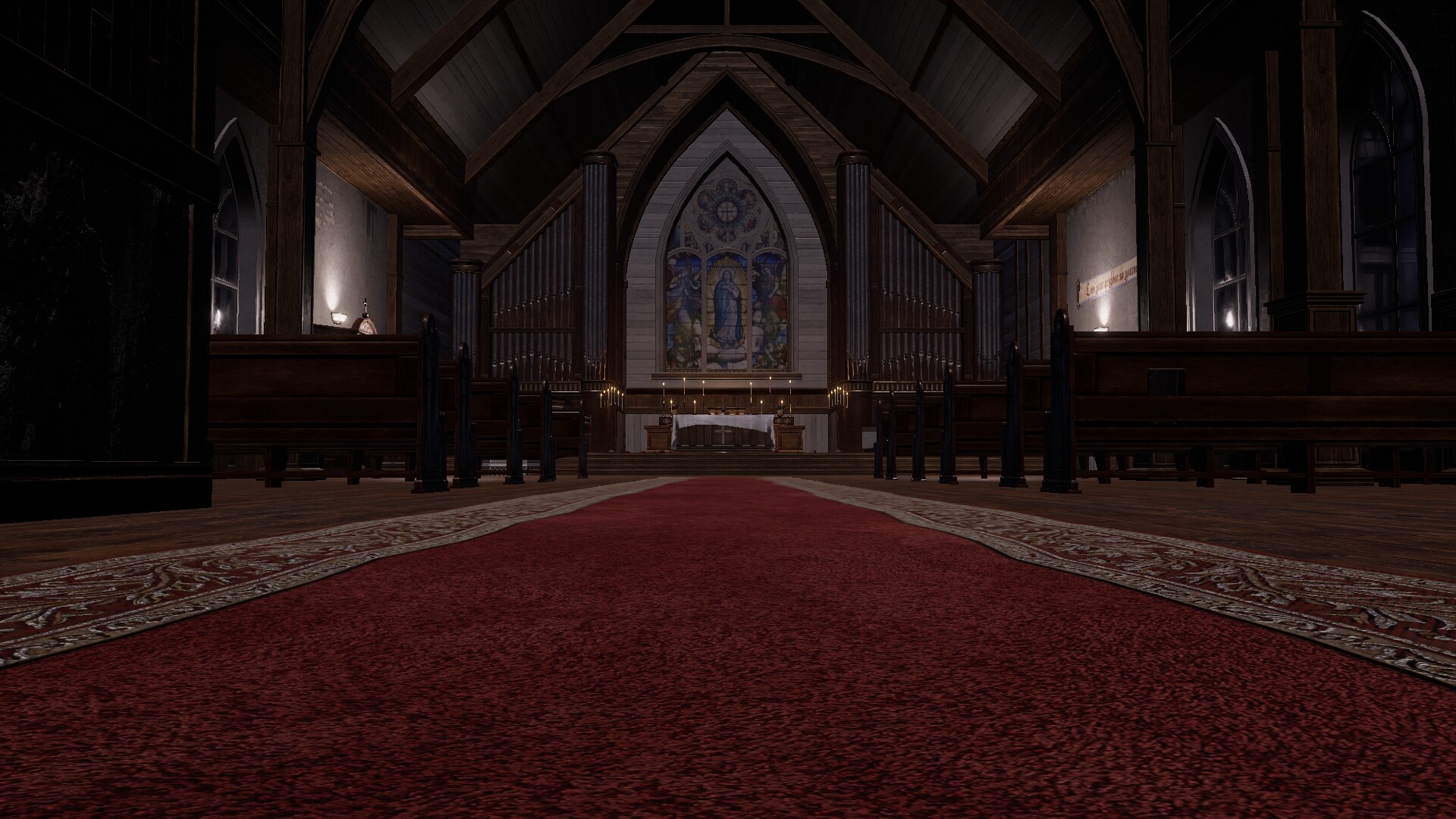
The official description makes the game’s design intent explicit: rooms look as though occupants vanished mid-routine, identities are missing, and the estate’s systems have been deliberately erased. The puzzle design follows that logic — solving a lock or restoring power doesn’t only open a new area, it returns a piece of the house’s record to the player. Puzzles therefore function as evidentiary nodes: each solved device yields documents, manifests, or system logs that shift the story’s timeline and your hypotheses about what happened.
How you read clues and progress
Gameplay centers on close observation, object logic, and chaining discoveries. The mansion’s restoration mechanics are literal: when Jin restores power, secured systems come back online; hidden compartments unlock; safes and files produce encrypted fragments. Progression is cumulative and logical — later puzzles often require interpreting earlier evidence rather than brute-forcing mechanics. That makes the player’s attention to details (order of events, mismatched records, missing names) the actual tool for advancing the narrative.

Who should wishlist it — player scenarios
- Evidence-first puzzlers: You prefer puzzles that function as story evidence. If you like deducing timelines from documents and using environmental inconsistencies as leads, the game’s logic-first approach will suit you.
- Mansion-mystery atmosphere fans: If slow-burn suspense, unsettlingly lived-in rooms, and a sense that a place has been deliberately scrubbed appeal to you more than jump scares, put it on your radar.
- Explorers who read rather than blast through: The game rewards careful examination and returning to previously inaccessible systems after new information arrives; players who enjoy connecting fragments into a cohesive narrative will get the most out of it.
How Trace of the Villa compares to nearby puzzle-adventure titles
The table below highlights lawful editorial differences: emphasis on puzzle-as-evidence, exploration style, and pacing rather than overall superiority claims.
| Title | Released | Core genre | Puzzle focus | Exploration style | Story tone & pacing | Player fit |
|---|---|---|---|---|---|---|
| Trace of the Villa | 28 May, 2026 | Action / Adventure / Indie | Clues-as-evidence: restores systems, safes, manifests | Room-to-room mansion investigation, returning to systems as evidence accumulates | Unsettling, investigative, slow-burn | Players who read documents and trace timelines |
| The Room | 28 Jul, 2014 | Adventure / Indie | Mechanical safes and tactile puzzles; object-focused solutions | Contained locations with layered puzzle boxes | Mysterious, tactile, focused puzzle-unlocking pace | Players who enjoy single-object puzzle boxes and tactile problem solving |
| The Room Two | 5 Jul, 2016 | Adventure / Indie | Expanded tactile puzzles and environmental interactions | Multiple interconnected rooms with set-piece puzzles | Cryptic and atmospheric, deliberate pacing | Players wanting layered tactile puzzles with cinematic reveals |
| Escape Simulator | 19 Oct, 2021 | Adventure / Casual / Indie / Simulation | Highly interactive escape-room mechanics; physical object manipulation | Modular escape rooms, often community-made | Varied — from fast-paced rooms to complex multi-step puzzles | Players who like physical interactivity and co-op or community levels |
| Unpacking | 1 Nov, 2021 | Casual / Indie / Simulation
Steam pageView Trace of the Villa on Steam YouTube discoveryFor trailer and gameplay discovery, use YouTube search rather than relying on unverified embeds: Find Trace of the Villa trailer and gameplay searches on YouTube. CommentsMore posts |
Leave a Reply