
Trace of the Villa: where object logic and inspection-heavy play meet mansion mystery
Trace of the Villa is an atmospheric mystery adventure that leans on environmental storytelling, locked-room thinking, and slow-burn clue chains to push a personal investigation forward. Released on Steam on 28 May, 2026 by Steadyturtle Co., Ltd., it frames its puzzles around restoring systems, uncovering hidden compartments, and piecing together encrypted records.

Quick facts
| Title | Trace of the Villa |
|---|---|
| Developer / Publisher | Steadyturtle Co., Ltd. |
| Release date | 28 May, 2026 |
| Genres | Action, Adventure, Indie |
| Steam categories | Single-player; Color Alternatives; Custom Volume Controls; Playable without Timed Input; Subtitle Options; Family Sharing |
| Steam AppID | 3483660 |
Who this is for
This is for players who prefer inspection-heavy, clue-driven exploration over twitch reflexes: folks who enjoy slow-burn suspense and reading the environment for meaning. If you like ransacking a single location for context — examining safes, restoring power to sealed systems, and following financial or identity trails that reveal motive and structure — Trace of the Villa is pitched toward that audience.
What the game is
Officially described as Jin’s search for his missing sister that leads to “a remote, decaying mansion” with “locked doors” and “hidden compartments,” Trace of the Villa frames its puzzles as discoveries of a concealed operation: restored power brings secured systems back online, safes yield fragments of encrypted documents, and manifests point to falsified identities and suspicious transfers. The result is a narrative puzzle design that privileges object logic and environmental reading — every unlocked drawer or powered terminal is a link in a clue chain.

When & where
Trace of the Villa launched on Steam on 28 May, 2026. It is presented as a PC release on Steam with the categories and accessibility options listed on the store page (single-player, subtitle options, custom volume controls, color alternatives, and playable without timed input).
Why the theme matters
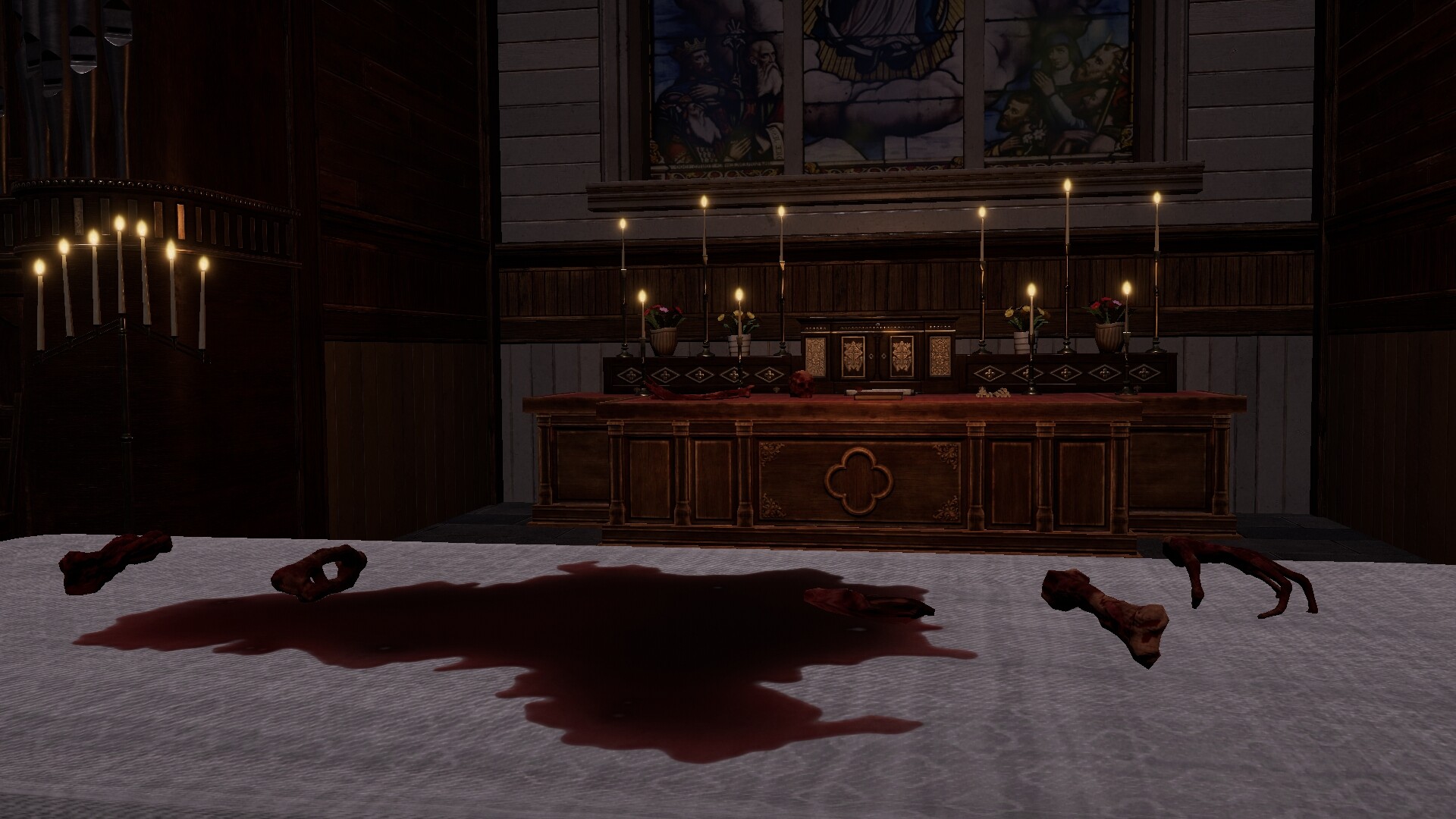
The mansion-as-labyrinth is a classic setup for clue chains because a single contained location lets level design encode narrative through objects and placement. Trace of the Villa uses absence as a storytelling tool—rooms that look abruptly vacated, documents without names, and systems that only reveal themselves once power returns—so players must rely on environmental reading and object logic to reconstruct events. For players who value atmosphere and psychological investigation, that method of discovery is the lead feature, not an accessory.
How you read clues and progress
- Start from scenes and artifacts: the store description emphasizes furnished rooms “as if their occupants vanished mid-routine,” giving you context to interrogate objects for anomalies.
- Restore systems to unlock progression: official notes show that restoring power makes “secured systems come back online” and “hidden compartments unlock.”
- Follow document fragments and manifests: safes and terminals yield encrypted documents and transfer records that link locations and identities, creating the clue chains you must assemble.
- Expect locked-room logic: locked doors and hastily secured secrets imply puzzles that depend on combining environmental signals rather than purely mechanical minigames.
Player scenarios — who should wishlist it
- Inspection-focused mystery players: you like to examine textures, open drawers, and use small clues to unlock larger threads.
- Narrative puzzle fans who prefer reading spaces: you enjoy story emerging from objects and systems rather than cutscenes or expository dialogue.
- Slow-burn, atmospheric explorers: you prefer methodical pacing and psychological tension over action spikes.
- Solitary investigative players: the Steam page lists single-player and accessibility options (subtitles, custom controls), which suit solo, detail-oriented play sessions.
How it compares to nearby mystery/puzzle games
Below is an editorial comparison that focuses on genre, atmosphere, puzzle emphasis, interaction style, pacing, and player fit. These comparisons are descriptive — not claims of superiority — based on public store descriptions and known design intent.
| Game | Puzzle focus | Atmosphere & tone | Interaction style | Pacing | Player fit |
|---|---|---|---|---|---|
| Trace of the Villa | Object logic, environmental puzzles, clue chains (safes, restored systems, encrypted documents) | Decaying mansion, psychological investigation, slow-burn suspense | Inspection-heavy, scene reading, restoration of systems to reveal new areas | Methodical, investigative | Players who like environmental storytelling and locked-room thinking |
| The Room | Mechanical puzzle boxes, tactile object puzzles | Mysterious, intimate, supernatural curiosity | Close-up manipulation of devices and safes | Focused, puzzle-by-puzzle | Players who enjoy bespoke mechanical puzzles and tactile problem solving |
| Escape Simulator | Highly interactive rooms, physics and object interaction | Light to tense depending on room; often playful or community-made variety | Move furniture, pick up and examine many objects; sandbox interaction | Variable — from short rooms to extended builds | Players who want highly interactive object play and community content |
Practical notes
Trace of the Villa is presented on Steam with accessibility and non-time-pressure options (playable without timed input, subtitle options, custom volume controls, color alternatives). If you value slower puzzle pacing and reading the scene for clues, the store listing suggests those preferences are supported.
Trailer and further discovery
Search for trailers and gameplay clips on YouTube: Trace of the Villa trailer & gameplay on YouTube. Note: use that search path to find trailers and community footage; the store page’s visual assets provide official imagery.
Leave a Reply