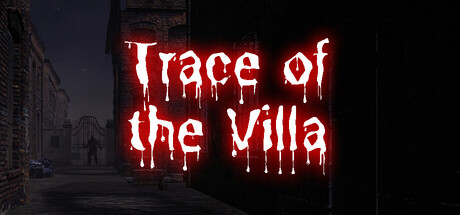
Trace of the Villa: why slow-burn suspense matters more than cheap shocks
Trace of the Villa is a story-rich PC mystery built around patient investigation and the slow accumulation of dread. Released 28 May, 2026 by Steadyturtle Co., Ltd., it favors environmental storytelling, locked-room puzzles and the quiet unease of a house that seems deliberately erased over jump-scare theatrics.

| Title | Trace of the Villa |
|---|---|
| Developer / Publisher | Steadyturtle Co., Ltd. |
| Release date | 28 May, 2026 |
| Genres | Action · Adventure · Indie |
| Steam categories | Single-player, Color Alternatives, Custom Volume Controls, Playable without Timed Input, Subtitle Options, Family Sharing |
| Steam link | Open Trace of the Villa on Steam |
Who is this for?
Trace of the Villa will click for players who prefer atmosphere and careful reading over instant adrenaline. If you enjoy atmospheric mystery adventure, narrative puzzle design, and exploration that rewards observation rather than reflexes, this is aimed at you. The Steam categories (including “Playable without Timed Input” and subtitle options) underline a design that respects deliberate play.
What the game actually is
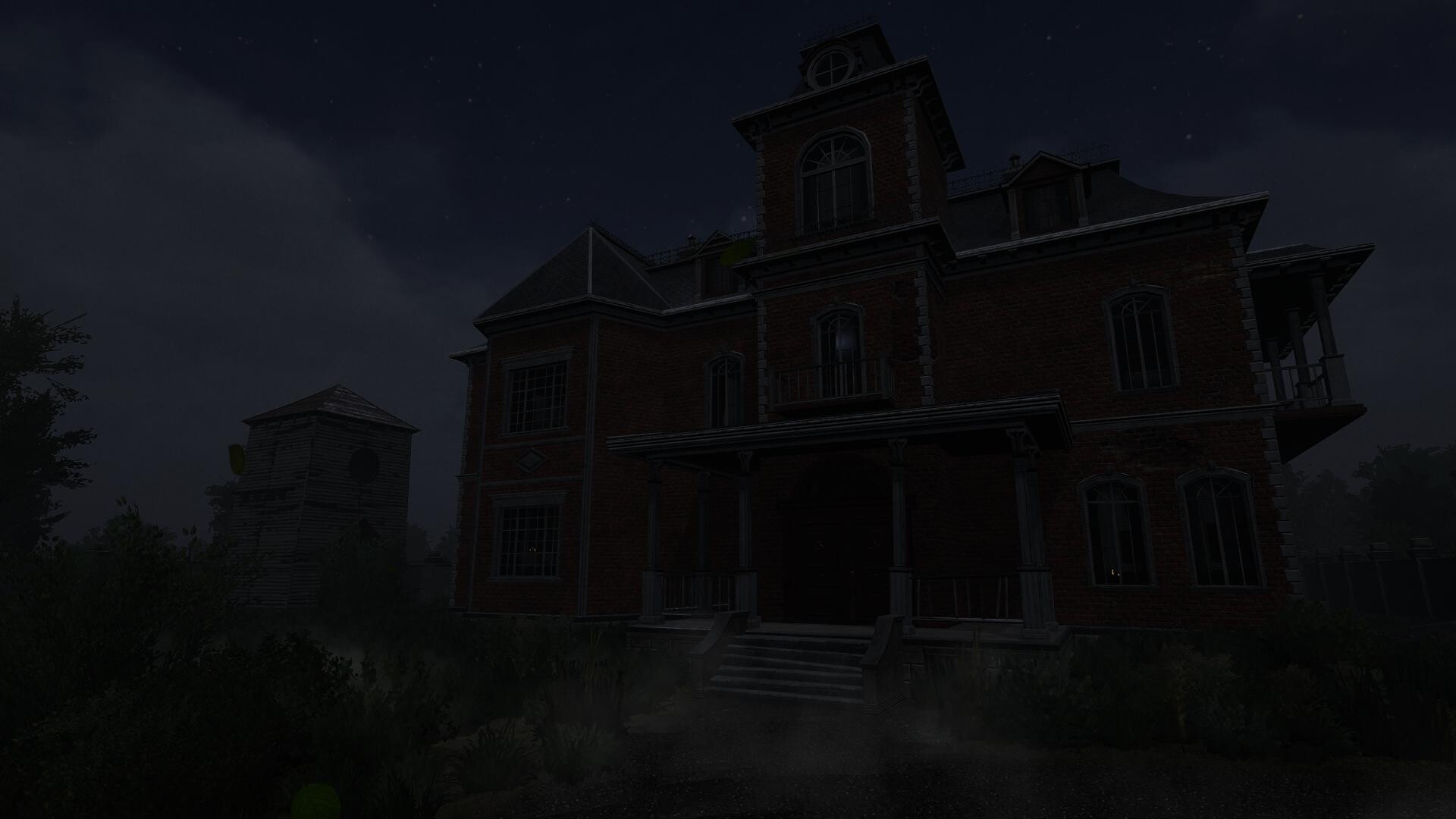
Officially, Trace of the Villa follows Jin, who has spent years searching for his missing sister. A new lead brings him to a remote, decaying mansion where manifests and other recovered evidence suggest his sister might still be alive. The mansion is presented as a place where identities and records have been erased: furnished rooms with no photos or names, locked doors and secured systems. Restoring power reveals hidden compartments, safes and fragments of encrypted documents; each unlocked clue extends the trail.
When and where
Trace of the Villa launched on Steam on 28 May, 2026 and is published by its developer, Steadyturtle Co., Ltd. The Steam page lists it under Action / Adventure / Indie and offers standard PC discovery channels. If you want to see the store listing directly, use the Steam link above.
Why quiet tension and uncertainty matter here
Quiet horror trades immediate shocks for cumulative unease. The gameplay elements described on the official Steam page — locked doors, encrypted documents, power restoration and staged domestic spaces — are the building blocks of slow-burn suspense: information withheld, then revealed in small doses, forces the player to fill gaps with inference. That psychological labor turns ambient dread into dramatic payoff, because the player has invested attention and reason in the mystery rather than being caught off-guard by sudden scares.
How you progress and read clues
- Exploration & environmental storytelling: rooms that feel “erased” encourage careful inspection of props and layout for contextual clues.
- Puzzle-led reconstruction: restoring estate systems and unlocking safes yields fragments — manifests, transfer records, encoded files — that form a financial and identity trail.
- Clue synthesis: the game asks you to piece together timelines and motives from partial evidence rather than handing a single dramatic reveal.
- Accessibility & pacing tools: Steam categories like custom volume controls, color alternatives and subtitle options indicate the team has considered players who need control over sensory presentation and timing.

Player scenarios — who should wishlist this
- You like investigative adventures where reading documents and linking fragments matters more than combat or timed sequences.
- You prefer horror delivered through implication: missing photos, altered records and systems that must be turned back on to reveal secrets.
- You want an experience that supports a deliberate playstyle (no timed input requirements noted on Steam categories).
- You enjoy narrative puzzle design tied to a protagonist’s personal stake (Jin’s search for his sister) rather than abstract survival loops.
How Trace of the Villa sits next to similar titles
Below is a focused editorial comparison on lawful criteria: atmosphere, puzzle emphasis, exploration style and pacing. This is an editorial discovery chart, not a claim of superiority or endorsement.
| Title | Primary atmosphere | Puzzle focus | Exploration style | Pacing & tone |
|---|---|---|---|---|
| Trace of the Villa | Quiet, domestic eeriness — erased identities | Clue-driven: manifests, encrypted docs, safes | Focused mansion exploration, system restoration | Slow-burn, investigative, personal stakes |
| Amnesia: The Dark Descent | Claustrophobic dread and bodily vulnerability | Environmental puzzles with survival elements | Winding castle interiors, immersion-focused | Intense, high-tension immersion (classic slow-reveal yet higher immediate threat) |
| SOMA | Unsettling sci-fi existentialism | Problem solving tied to survival and narrative | Laboratory/underwater facility exploration |
Leave a Reply