
Trace of the Villa — how puzzles whisper the story without spoiling it
Trace of the Villa is a slow-burn, clue-driven mystery that asks you to read objects and forensic traces as much as solve traditional puzzles. Developed and published by Steadyturtle Co., Ltd., it tasks protagonist Jin with piecing together fragmented evidence in a decaying mansion to follow a trail that may lead to his missing sister.

Who, what, when, where, why, and how — concisely
Who it’s for
If you favor atmospheric mystery adventure on PC — slow-burn suspense, environmental storytelling, and narrative puzzle design — Trace of the Villa targets players who prefer examination and interpretation over twitch mechanics. The Steam page categorizes it under Action, Adventure, Indie and includes Single-player and accessibility options such as Color Alternatives, Custom Volume Controls, Subtitle Options, and Playable without Timed Input.
What the game is
Trace of the Villa follows Jin, who has spent years searching for his missing sister. A lead brings him to a remote, deliberately forgotten mansion where restoring power and unlocking systems reveals manifests, encrypted fragments, and suspicious transfer records. Puzzles are integrated into investigation systems — safes, locked doors, secured systems and hidden compartments — that gradually produce documentary evidence rather than blunt exposition.
When and where
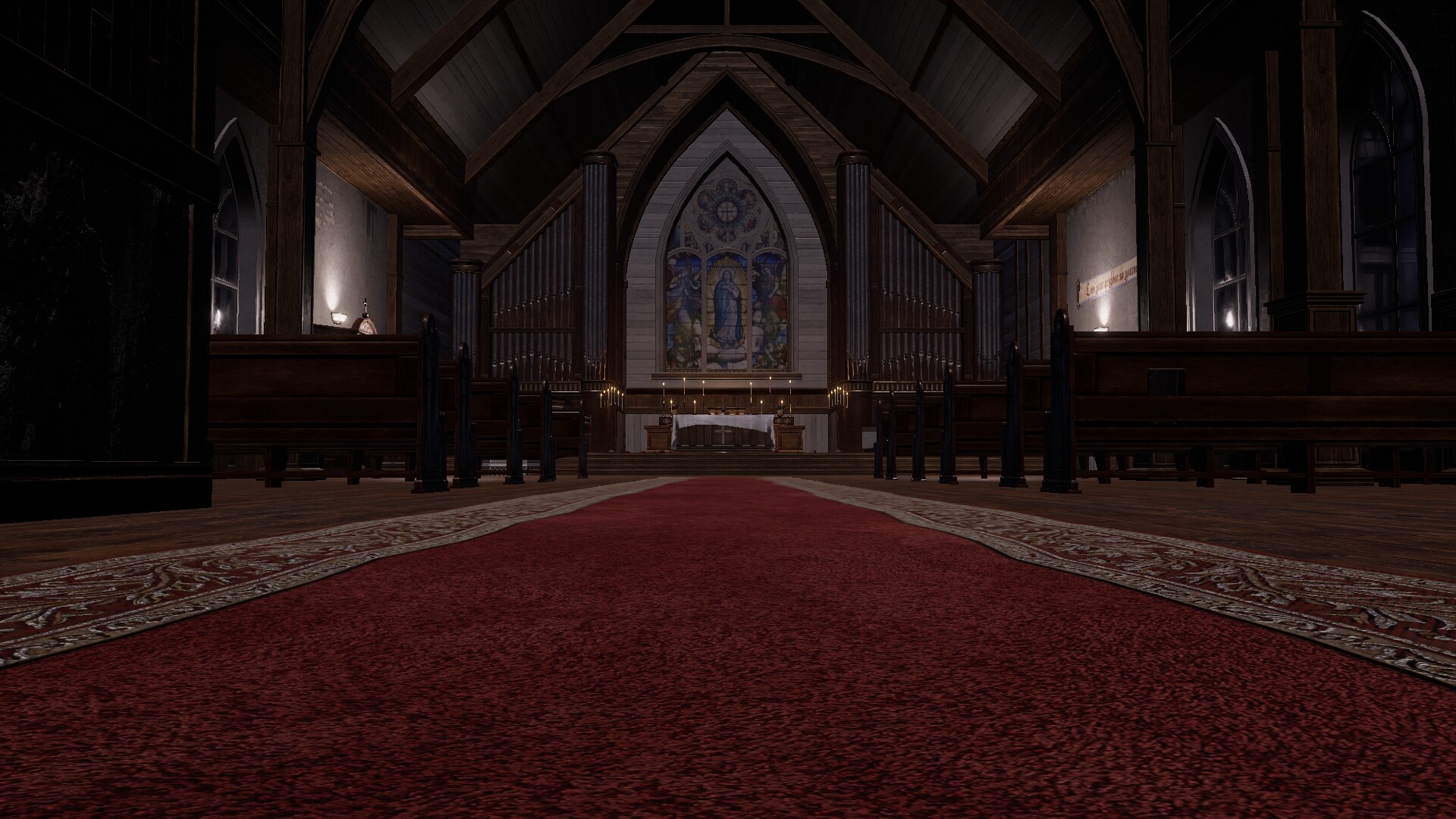
Trace of the Villa released on 28 May, 2026 and is presented on Steam for PC. The Steam store listing includes visual assets and screenshots that emphasize interior spaces and interface elements tied to investigation.
Why the theme matters
The game leans into the idea that a location itself can be a witness. Instead of relying on cutscenes to tell you what happened, it layers financial trails, falsified identities, and sealed records across the environment. That design choice makes every object — a manifest, a switched-on terminal, a locked safe — potentially evidentiary, which shifts the player’s role from puzzle-solver to methodical investigator.
How you progress without spoilers
Puzzle mechanics in Trace of the Villa are built to expose evidence incrementally. When you restore power you enable systems that unlock further puzzles; solving a safe or decrypting a fragment yields a clue that refines your hypothesis about the estate. Crucially, these mechanics use object logic — items, documents, and system states — to suggest narrative possibilities without stating conclusions. That means gameplay rewards careful reading and pattern recognition: the puzzle reveals new facts, and those facts change how you interpret the next puzzle, rather than delivering the story in large expository chunks.
Quick facts: Trace of the Villa
| Title | Trace of the Villa |
|---|---|
| Steam App ID | 3483660 |
| Release date | 28 May, 2026 |
| Developer / Publisher | Steadyturtle Co., Ltd. |
| Genres | Action, Adventure, Indie |
| Categories / accessibility | Single-player; Color Alternatives; Custom Volume Controls; Playable without Timed Input; Subtitle Options; Family Sharing |
| Steam user reviews | No user reviews (as listed on Steam) |
How clue-reading, object logic, and story puzzles shape the experience
Trace of the Villa uses three tightly related puzzle approaches to shape narrative discovery:
- Clue-reading: Documents and system readouts act like witness statements. They rarely answer everything; instead they change what you look for next.
- Object logic: Physical interactions — opening drawers, powering systems, unlocking safes — are logical continuations of investigative actions, which helps maintain immersion. Objects are treated as evidence with context, not just keys to open doors.
- Story puzzles: Many puzzles are framed as forensic or archival work (decrypting, cross-referencing manifests), so solving them adds to a timeline rather than delivering a single reveal. The pacing is cumulative: small discoveries build toward broader patterns.
Why that matters for player experience
When puzzles reveal fragments of story instead of one big plot beat, players can trust their inferences. That creates a different satisfaction: the payoff is the feeling of assembling an argument from evidence. For players who enjoy methodical environmental storytelling and psychological investigation, that design keeps the mystery grounded and avoids spoon-feeding answers.
Player scenarios — who should wishlist this
- If you enjoy slow-burn mansion mysteries: You’ll appreciate rooms furnished as if people vanished mid-routine and a design that rewards patient inspection.
- If you prefer puzzle-led narrative rather than cutscene-led revelations: The game’s clues-first approach will suit you; evidence accumulates through gameplay systems and documents.
- If accessibility and non-timed play are important: The Steam listing includes options such as Playable without Timed Input, Color Alternatives and Subtitles.
- If you want immediate action or heavily combat-focused gameplay: The focus on investigation and evidence suggests Trace of the Villa skews toward exploration and puzzle solving rather than fast-paced combat.
Comparison — how Trace of the Villa lines up with nearby puzzle-adventure titles
| Title | Main puzzle focus | Atmosphere / setting | Exploration style | Pacing / player fit |
|---|---|---|---|---|
| Trace of the Villa | Document forensics, safes, system restoration, object-as-evidence | Decaying mansion; methodical, investigative, psychological | Room-by-room environmental investigation with system-based gates | Slow-burn; for players who like reading clues and building timelines |
| The Room | Tactile mechanical puzzles and intricate safes (puzzle-box style) | Mysterious, intimate puzzles in contained spaces | Focused single-room puzzle exploration | Compact, puzzle-centric; best for players who prefer tactile contraptions |
| The Room Two | Complex mechanical/escape puzzles with layered devices | Cryptic halls and atmospheric rooms | Linear sequence of puzzle rooms | Moderate pacing; suits players who enjoy escalating mechanical puzzles |
| Escape Simulator | Highly interactive escape-room puzzles; physics and item manipulation | Varied themed rooms; community content | Room-based, sandboxy interactivity with cooperative options | Flexible pacing; great for players who like interactivity and social play |
| Unpacking | Block-fitting and object placement as narrative device | Domestic, quiet, reflective | Slow, room-by-room placement; story emerges through possessions | Zen, narrative-focused; for players who learn story from everyday objects |
Practical notes for deciding whether to wishlist
- Check the Steam store images and the header artwork for the tone; official assets emphasize interior investigation and UI elements tied to evidence. (See images above.)
- Consider that the Steam listing currently shows No user reviews; you may want to follow early impressions or wait for more community feedback if social proof matters to you.
- Steam accessibility categories such as Playable without Timed
Steam page
View Trace of the Villa on Steam
YouTube discovery
For trailer and gameplay discovery, use YouTube search rather than relying on unverified embeds: Find Trace of the Villa trailer and gameplay searches on YouTube.
Leave a Reply