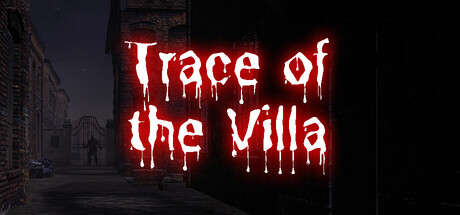
Trace of the Villa — the art of quiet dread in a decaying mansion
Trace of the Villa trades jump-scares for slow-brewed tension: you play Jin, a man whose search for his missing sister leads him to a remote, deliberately forgotten mansion where abandoned routines and erased identities feel more dangerous than any obvious threat. The game leans into environmental storytelling, locked doors, and recovered manifests that hint at a wider, controlled operation rather than instant shocks.

Who — who should wishlist this on Steam?
- Players who prefer atmospheric mystery adventure over fast horror; those who find an empty room and an untidy table more unnerving than a creature reveal.
- Fans of clue-driven exploration and narrative puzzle design who enjoy assembling a story from fragments: manifests, encrypted documents, and restored systems.
- PC players who like single-player indie experiences with subtitle options, custom volume controls, and accessibility choices (categories include Single-player, Color Alternatives, Custom Volume Controls, Playable without Timed Input, Subtitle Options, Family Sharing).
What — what kind of game is it?
Trace of the Villa is an action/adventure indie on Steam that reads like a psychological investigation inside a mansion that’s been “erased.” The official short description puts it plainly: Jin has spent years searching for his missing sister and follows leads to a remote, decaying mansion where recovered manifests suggest she may still be alive. The official description details how restoring power and unlocking secured systems gradually reveals financial trails, falsified identities, and arrivals without records—narrative threads that drive exploration and puzzle progression.
When & Where — release information and Steam context
Trace of the Villa launched on 28 May, 2026 and is available on Steam. It’s developed and published by Steadyturtle Co., Ltd., and the Steam listing organizes it under Action, Adventure, Indie. The Steam page includes a set of screenshots and a header image you can inspect to judge atmosphere and visual tone.
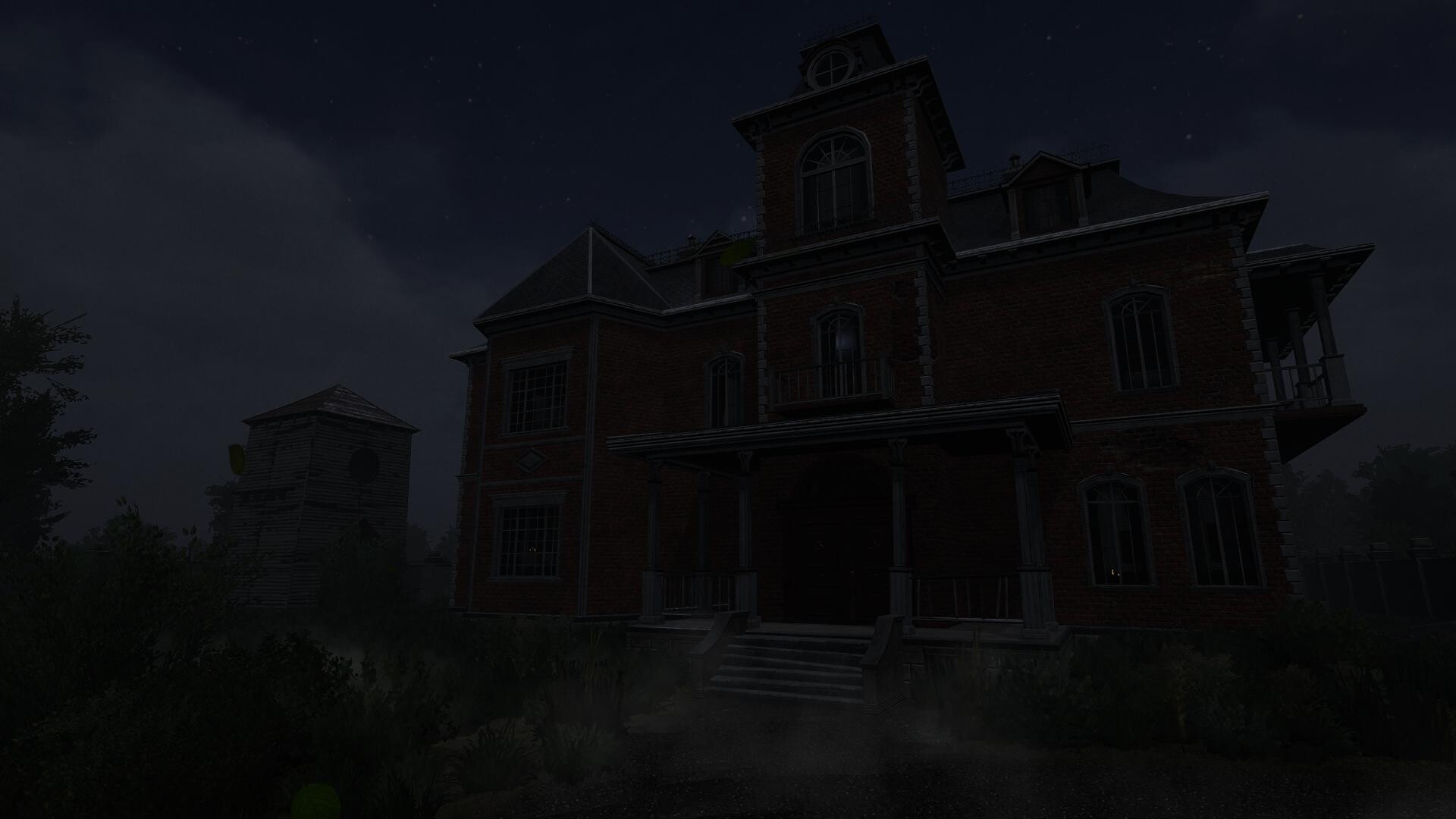

Why — why quiet tension and uncertainty matter here
Many modern horror-adjacent games aim for visceral shocks; Trace of the Villa leans the opposite direction. The mansion’s unnerving silence—rooms left mid-routine, personal effects without names, locked doors concealing “hastily secured secrets”—turns absence into a storytelling tool. Psychologically, uncertainty forces the player to fill gaps with imagination: missing records suggest deliberate erasure, and the slow revelation of falsified identities reframes each discovered object from curiosity to evidence. That kind of mounting unease rewards players who relish ambiguity and patient deduction.
How — how you progress and interact
Progress is built on exploration and systems restoration: Jin recovers manifests, powers up estate systems, and opens hidden compartments and safes to extract encrypted documents and transfer records. Each puzzle tends to be narrative-forward—solving one puzzle often unlocks another layer of the mansion’s history rather than delivering an isolated fright. The Steam listing lists accessibility and gameplay categories that indicate a single-player experience with subtitle and volume control options, and it’s playable without timed input for players who prefer slower pacing.
Quick facts
| Title | Trace of the Villa |
|---|---|
| Steam AppID | 3483660 |
| Release date | 28 May, 2026 |
| Developer / Publisher | Steadyturtle Co., Ltd. |
| Genres | Action, Adventure, Indie |
| Categories | Single-player; Color Alternatives; Custom Volume Controls; Playable without Timed Input; Subtitle Options; Family Sharing |
| Short premise (official) | Jin follows leads to a remote, decaying mansion where recovered manifests indicate his missing sister may still be alive. |
Who will it most likely satisfy? — specific player scenarios
- Scenario A — You play slowly, notebook open: You enjoy cataloging bits of lore, revisiting rooms after a new system is powered, and returning to earlier puzzles with fresh context.
- Scenario B — You prioritize atmosphere and ambiguity: You prefer a game that leaves uncomfortable questions unresolved rather than spelling everything out with expository set pieces.
- Scenario C — You like narrative puzzles with investigative beats: You enjoy piecing together timelines from manifests, encrypted fragments, and financial traces that lead to new areas or unlockables.
- Scenario D — Accessibility-minded player: You want subtitle options, custom audio controls, and a pace that doesn’t punish slow decision-making (Playability without Timed Input is listed).
How it compares — quick editorial table
| Title | Genre(s) | Atmosphere / Focus | Puzzle vs Action | Exploration style | Pacing / Player fit |
|---|---|---|---|---|---|
| Trace of the Villa | Action, Adventure, Indie | Slow-burn mansion mystery, erased identities, systemic secrecy | Narrative puzzles, systems restoration, investigative beats | Clue-driven, room-by-room with locked secrets to reopen | For patient players who favor atmosphere and ambiguity |
| Amnesia: The Dark Descent | Action, Adventure, Indie | Immersive first-person survival horror focused on dread and helplessness | Exploration with survival/hiding mechanics rather than puzzle-first | Continuous first-person exploration emphasizing immersion | Players who want sustained horror immersion and vulnerability |
| SOMA | Action, Adventure, Indie | Sci-fi existential horror with environmental and philosophical questions | Exploration and narrative puzzles blended with survival elements | Atmospheric environments that reveal story through audio/logs | Players who prefer thematic, story-heavy sci-fi horror |
| Layers of Fear (2016) | Adventure, Indie | First-person psychological horror set in an ever-shifting Victorian mansion | Psychology-driven environmental puzzles and narrative reveals | Fragmented, shifting spaces that reflect the protagonist’s mind | Players who like surreal, story-focused mansion exploration |
| Poppy Playtime | Action, Adventure, Indie | Horror/puzzle factory setting with tense chase and tool-based mechanics | Puzzle adventure with more overt threat and chase sequences | Puzzle rooms inside a larger facility; more scripted encounters | Players who want faster tension and mechanical puzzles with set pieces |
YouTube discovery
If you want trailers or gameplay clips, search YouTube for Trace of the Villa trailer or gameplay: https://www.youtube.com/results?search_query=Trace+of+the+Villa+trailer+gameplay. This link is a discovery route; the Steam listing should be your primary source for official media.
Steam page
Leave a Reply