
Trace of the Villa — an escape-room style mansion mystery for clue-driven explorers
Trace of the Villa positions you as Jin, a lone investigator piecing together a fractured trail that leads to a remote, decaying mansion where manifests and hints suggest his missing sister may still be alive. The game leans into environmental storytelling, locked-room thinking, and chained puzzles that open like forensic steps — restore power, unlock systems, and follow financial and identity traces to learn what the estate once concealed.

Quick facts
| Title | Trace of the Villa |
|---|---|
| Steam AppID | 3483660 |
| Release date | 28 May, 2026 |
| Developer / Publisher | Steadyturtle Co., Ltd. |
| Genres | Action, Adventure, Indie |
| Key Steam categories | Single-player, Color Alternatives, Custom Volume Controls, Playable without Timed Input, Subtitle Options, Family Sharing |
| Official short description | Jin has spent years searching for his missing sister, pursuing leads that took him to a remote, decaying mansion where he recovered manifests and hints that indicate his sister may still be alive, somewhere at the end of the trail he is about to follow. |
Who is this for?
Trace of the Villa is aimed at players who prefer slow-burn, story-rich adventure and puzzle design that rewards careful observation. If you enjoy atmospheric mystery adventure where the setting itself functions as evidence — rooms staged as if interrupted mid-routine, sealed systems returning to life, safes and encrypted fragments that require chained solutions — this is a fit. The inclusion of accessibility options such as subtitle options, color alternatives, and controls that avoid timed input also makes it approachable for players who want to focus on reading the environment rather than reflex tests.
What the game is
Officially described as an investigation into a deliberately forgotten estate, Trace of the Villa mixes exploration and puzzle-chaining with a personal narrative: Jin restores power to the mansion, triggers secured systems, and uncovers layers of falsified identities, transfer records, and manifests. The available text describes locked doors, hidden compartments, and safes yielding encrypted documents — the spine of an escape-room style mystery where one solved puzzle naturally points to the next clue or device to examine.
When and where
Trace of the Villa launched on Steam on 28 May, 2026. It is listed on Steam as a PC title with single-player and other user-facing options visible in its store metadata (color alternatives, custom volume controls, subtitle options, and more).
Why the mansion mystery matters
Mansion mysteries succeed when every object can be read as testimony — a folded manifest, a power panel with a missing fuse, a ledger with redacted entries. The official description emphasizes erasure: no photos, no names, arrivals without records. That absence becomes the central puzzle: how do you reconstruct a network of people and transactions when identities have been deliberately stripped? For players interested in narrative puzzle design and psychological investigation delivered through environment and documents, that conceit promises sustained momentum across chained puzzles.
How locked-room thinking, clue chains, and environmental reading fit
Trace of the Villa uses a forensic approach to progression rather than combat-driven gating. Based on the official description, expect these elements:
- Clue chains: solving one locked system yields documents or access that point to the next locked area — safes and secured systems open into more fragments.
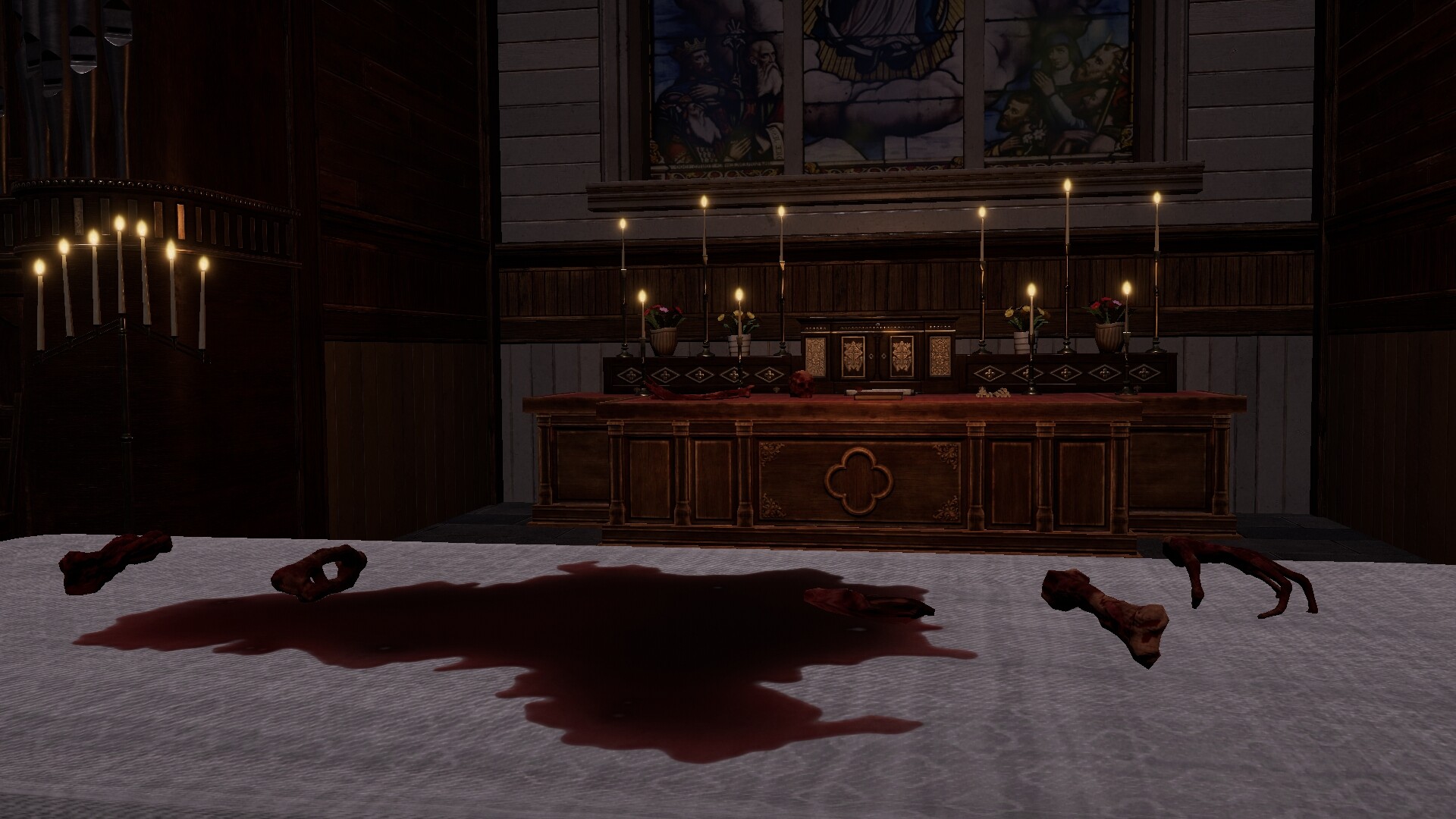
- Environmental testimony: rooms staged “mid-routine” mean that small details (an appliance state, a displaced object, or missing photograph) are legitimate data points rather than mere decoration.
- Systems restoration as gameplay: restoring power and reactivating estate systems is explicitly mentioned, so reading wiring, switchboards, or device states will be part of the logic flow.

Specific player scenarios — will you enjoy it?
- Player A — The methodical document sleuth: You pause, note dates and names from manifests, and cross-reference ledgers. Trace of the Villa’s emphasis on manifests and encrypted fragments should match your pace.
- Player B — The tactile puzzler: You like puzzles that change the space — restoring power or opening a safe that changes what’s visible. The game’s stated systems-restoration beats repeated combat loops.
- Player C — The atmospheric explorer: You prefer slow reveals and tension built from atmosphere and silence. The “erased” history and staged rooms make the mansion itself the central character.
- Player D — The co-op speedrunner or action-first fan: If you favor multiplayer escapes or reflex-driven puzzles, Trace of the Villa’s single-player, narrative, and environmental focus may feel too deliberate.
How it compares to other escape-room or mystery-leaning games
Below is a compact editorial comparison focusing on genre, atmosphere, puzzle focus, exploration style, story tone, and pacing. These are editorial observations based on official descriptions and categories — not judgments of quality.
| Title | Genre / Key categories | Atmosphere & story tone | Puzzle focus | Player fit |
|---|---|---|---|---|
| Trace of the Villa | Action, Adventure, Indie — Single-player; Subtitle Options; Playable without Timed Input | Slow-burn mansion mystery, erased identities, procedural uncovering | Clue chains, systems restoration, document fragments, locked compartments | Players who like environmental storytelling and investigative pacing |
| The Room | Adventure, Indie — Single-player | Mysterious, tactile puzzle-box tone | Mechanical puzzle boxes and localized object-based puzzles | Players who enjoy focused object puzzles and craftsmanship of single puzzles |
| Escape Simulator | Adventure, Casual, Indie — Single-player & Multiplayer, level editor | Varied tone across rooms; more playful to experimental depending on community rooms | Highly interactive object manipulation, emergent solutions, community-made rooms | Players who want interactive physics, co-op options, or community-made variety |
| The Room Two | Adventure, Indie — Single-player | Expanding mysterious world with cryptic artifacts | Sequential puzzle boxes with narrative callbacks | Fans of The Room’s puzzle-box progression and escalating mystery |
Where to find trailers and gameplay
If you want to see trailers and gameplay videos, search YouTube for Trace of the Villa — this link will show available videos (useful for finding trailers and playthroughs; a specific official video is not asserted here):
YouTube search: Trace of the Villa trailer & gameplay
Steam store link: Trace of the Villa on Steam
Official disclaimer: referenced titles and trademarks belong to their respective owners; comparisons are editorial discovery only and not endorsements.
Leave a Reply