
Trace of the Villa — an inspection‑heavy mansion mystery for clue‑minded players
Trace of the Villa casts you as Jin, a lone investigator following fragmented manifests and sealed systems through a decaying, remote mansion. Released on 28 May, 2026 and developed/published by Steadyturtle Co., Ltd., it leans on object logic, layered clue chains, and environmental reading rather than reflex or timed trial.

Quick facts
| Title | Trace of the Villa |
|---|---|
| Steam AppID | 3483660 |
| Release date | 28 May, 2026 |
| Developer / Publisher | Steadyturtle Co., Ltd. |
| Genres | Action, Adventure, Indie |
| Categories | Single-player; Playable without Timed Input; Subtitle Options; Color Alternatives; Custom Volume Controls; Family Sharing |
| Official short premise | Jin searches a remote, decaying mansion for signs that his missing sister may still be alive. |
Who this is for
If you prefer slow‑burn suspense and pattern recognition over combat or twitch puzzles, Trace of the Villa is pitched at you. The Steam listing highlights single‑player, subtitle options, and “playable without timed input” — all signals this is designed for methodical inspection, careful note‑taking, and replayable reading of the environment rather than split‑second reactions. Players who enjoy atmospheric mystery adventure and narrative puzzle design will get the most out of it.
What the game actually is
The official premise places you in Jin’s shoes: a private search that begins with a lead to a property “cut off from the grid.” The mansion’s rooms look lived‑in but incomplete; systems are secured and files are fragmented. The description specifically notes the act of restoring power and recovering encrypted fragments and records — narrative beats that point to puzzles tied to household objects, locked safes, and returned systems that unlock new areas of investigation.
When and where to find it
Trace of the Villa is on Steam with a release date of 28 May, 2026. The Steam page lists the developer and publisher as Steadyturtle Co., Ltd., and gives players the usual accessibility options such as subtitles and color alternatives. For readers who decide to wishlist or purchase, the Steam page is the canonical place for system requirements, updates, and community discussion.
Why the theme matters — identity, absence, and object logic
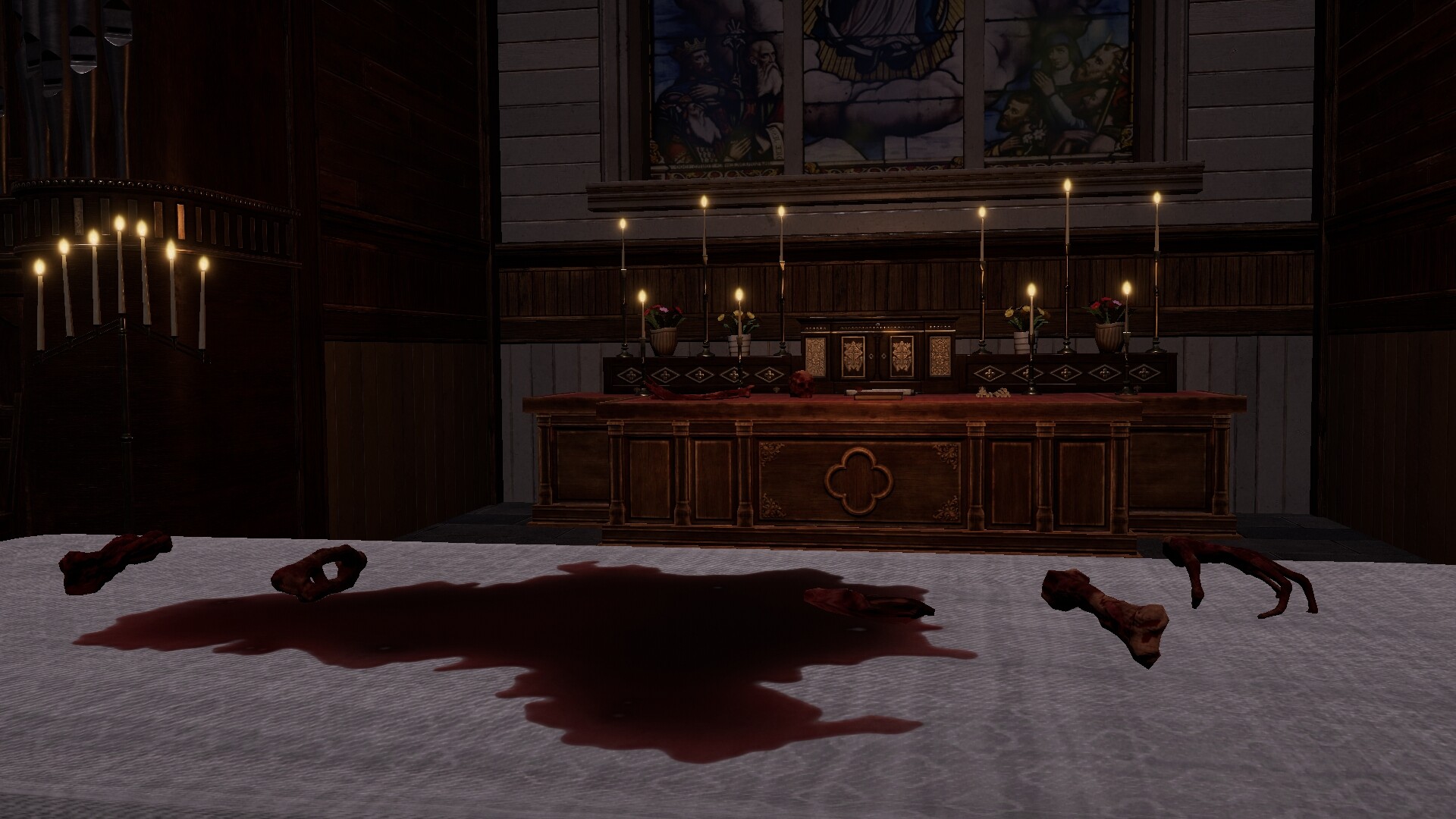
The mansion premise pivots on absence as a storytelling device: rooms arranged as if people stepped away, personal effects with missing names, and financial traces that “lead nowhere” in the official copy. Those are classic hooks for environmental storytelling that reward careful attention. In Trace of the Villa the narrative is advanced by reading objects as evidence — a receipt that contradicts a manifest, a powered device that reveals a hidden archive, or a safebox whose combination is hinted at by furniture placement. That emphasis on objects as narrative nodes is central to the game’s investigative tone.

How you progress: inspection, clue chains, and environmental reading
Trace of the Villa foregrounds inspection‑heavy play. Expect to:
- Read manifests and encrypted fragments recovered from safes and computers.
- Restore systems (the official description specifically mentions recovering power) to reveal new clues and unlock compartments.
- Chain together object logic — the meaning of one item changes when another is found or a device is powered.
- Pursue clue chains across rooms rather than through combat or timed skill checks; the Steam page marks “Playable without Timed Input,” which supports a deliberate pace.
That means success often comes from pattern recognition and treating the environment like a forensic ledger: every item can be evidence, not just decoration.
Specific player scenarios — will you enjoy this?
- The slow detective: You keep notes, backtrack when details contradict earlier assumptions, and relish when disparate items click into a timeline. You’ll find the game rewarding.
- The atmosphere‑first explorer: You value environmental storytelling and the slow reveal of a setting. Trace of the Villa’s furnished‑but‑erased house and hush of discovery will appeal.
- The puzzle purist who dislikes time pressure: The “Playable without Timed Input” category makes this a good match; puzzles appear to be logic and sequencing rather than speed‑based challenges.
How it compares to nearby mystery/puzzle titles
Below is a focused editorial comparison based on genre, atmosphere, puzzle focus, exploration style, story tone, and recommended player fit. These entries are descriptive comparisons, not claims of superiority or endorsement.
| Title | Primary genre / feel | Atmosphere | Puzzle focus | Exploration style | Player fit |
|---|---|---|---|---|---|
| Trace of the Villa | Action / Adventure / Indie | Mansion mystery, slow‑burn, investigative | Object logic, chained clues, system restoration | Single‑player, methodical room‑to‑room reading | Players who like environmental storytelling and forensic puzzle work |
| The Room | Adventure / Indie | Sealed, tactile, intimate | Mechanical safes and tactile puzzles | Contained room puzzles; focus on object manipulation | Players who enjoy close‑up, tactile puzzle boxes |
| The Room Two | Adventure / Indie | Cryptic, atmospheric | Layered mechanical puzzles and escalating mystery | Series of interconnected, puzzle‑heavy environments | Fans of escalating, labyrinthine puzzle design |
| Escape Simulator | Adventure / Simulation / Indie | Playful, interactive | Highly interactive item manipulation and community rooms | Room‑based, physics interaction, single or co‑op | Players who like hands‑on, often co‑op escape rooms and user‑created content |
| Hi‑Fi RUSH | Action | High‑energy, rhythm‑driven | Action and beat‑synchronous combat
Steam pageView Trace of the Villa on Steam YouTube discoveryFor trailer and gameplay discovery, use YouTube search rather than relying on unverified embeds: Find Trace of the Villa trailer and gameplay searches on YouTube. CommentsMore posts |
Leave a Reply