
Trace of the Villa: rooms as puzzle spaces and story containers
Trace of the Villa places you in a remote, decaying mansion where rooms act as evidence lockers and logic engines: each cabinet, safe and powered terminal both hides and tells. The developer Steadyturtle Co., Ltd. leans into environmental storytelling and clue-driven exploration to make every door feel like a question you must translate into meaning.

Quick facts
| Title | Trace of the Villa |
|---|---|
| Steam App ID | 3483660 |
| Release date | 28 May, 2026 |
| Developer / Publisher | Steadyturtle Co., Ltd. |
| Genres / Tags | Action, Adventure, Indie — Single-player |
| Notable categories | Color Alternatives, Custom Volume Controls, Playable without Timed Input, Subtitle Options, Family Sharing |
| Premise (official short) | Jin pursues leads to a remote mansion and recovers manifests and hints that his missing sister may still be alive at the end of the trail. |
Who should wishlist Trace of the Villa?
- Players who prefer room-based, environmental mystery over fast action — those who enjoy reading the space as a character.
- Puzzle fans who like object logic that ties to narrative: safes, powered systems, encrypted documents and manifests that only reveal meaning when assembled.
- People drawn to slow-burn psychological investigation and mansion mysteries rather than jump-scare horror or purely arcade puzzles.
- PC players who want options like subtitles, color alternatives and non-timed input to pace their inspection.
What the game is (and how it uses rooms)
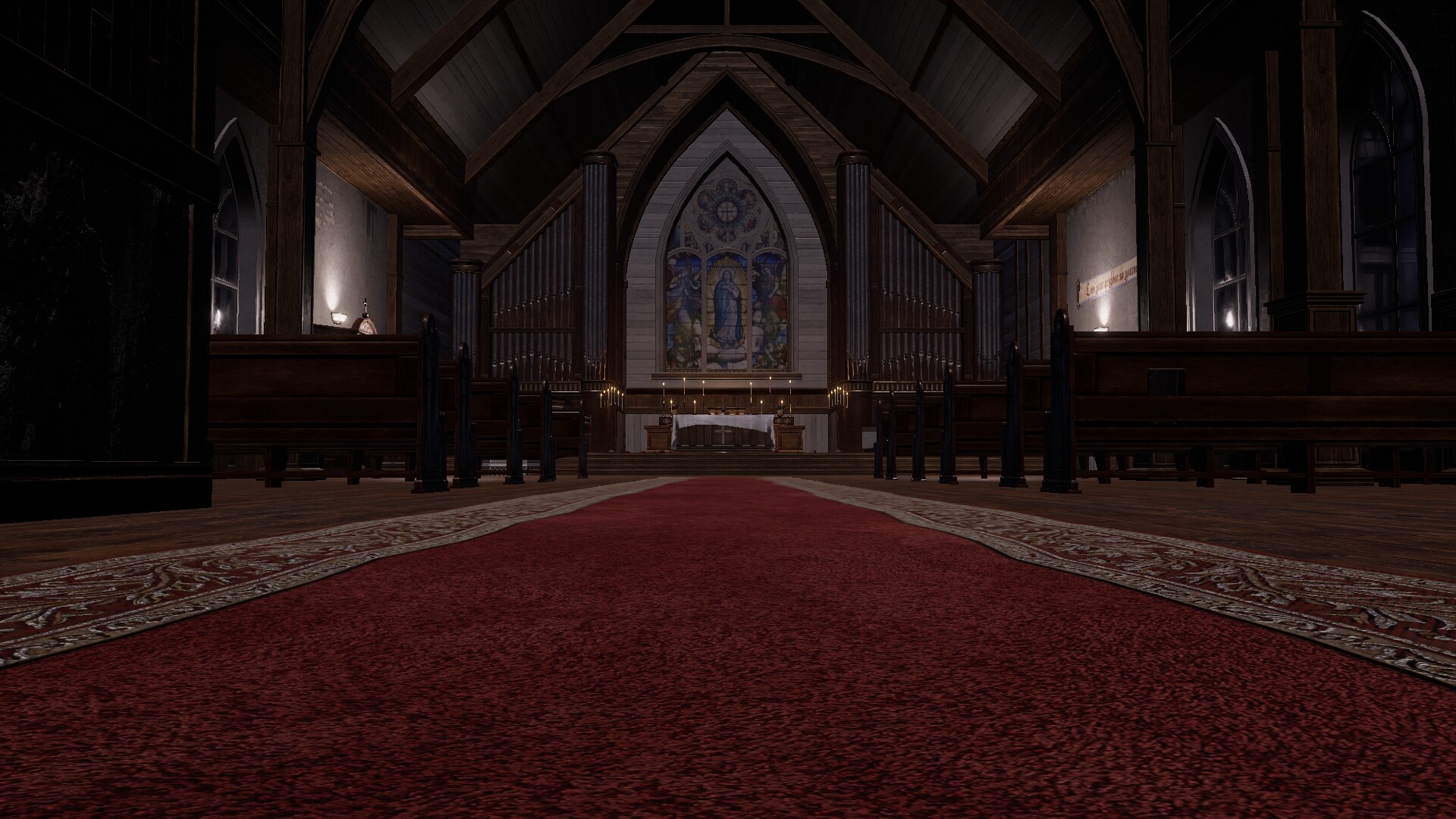
Trace of the Villa is a Steam-listed Action / Adventure indie from Steadyturtle Co., Ltd. The official description frames the mansion as a place “less abandoned than erased”: rooms are left mid-routine, doors are locked, personal effects remain but names and photos are missing. That setup turns every chamber into two things at once — a mechanical puzzle and a narrative container. You interact with systems (restoring power, unlocking safes, reading manifests) so that solving object-level logic simultaneously stitches together a timeline and a motive.
When and where
Trace of the Villa released on Steam on 28 May, 2026. It is presented as a PC/Steam indie title; the Steam page lists the developer and publisher as Steadyturtle Co., Ltd. and notes single-player and accessibility-related categories.
Why the theme matters
Mansion mysteries work when the setting can both conceal and tell. The official language emphasizes erasure — identities removed, records falsified — which is fertile ground for puzzles that do narrative work. When a room’s contents are not just obstacles but clues to history, every solved lock yields information, and the satisfaction is both intellectual (you cracked the mechanism) and emotional (you learned why a person mattered).
How you read clues and progress
According to the Steam description, progress in Trace of the Villa is a mix of restoring estate systems, opening secured compartments and deciphering documents and transfer records. That implies a layered progression loop: environmental observation → object manipulation → system restoration → documentary interpretation. Each loop expands the playable space and the story you can assemble. Players who keep notes, cross-reference manifests and treat rooms like forensic scenes will get the most out of this structure.
Player scenarios — who will enjoy this most
- The methodical investigator: You enjoy slow, focused gameplay where each new bit of power or code unlocks a meaningful chunk of story.
- The environmental reader: You prefer learning character and plot from décor, abandoned belongings and financial records rather than cutscenes.
- The puzzle-first player: You want object logic that ties directly into narrative reward — safes and terminals that repay curiosity with context.
- The accessibility-minded player: Non-timed inputs, subtitles and color alternatives allow a careful pace without mechanical pressure.
Comparison: Trace of the Villa vs. nearby puzzle-adventure examples
| Title | Genres | Atmosphere / Story tone | Puzzle focus | Exploration style | Player fit |
|---|---|---|---|---|---|
| Trace of the Villa | Action, Adventure, Indie | Decaying mansion, erased identities, investigative tension | Object logic tied to systems, safes, encrypted documents, manifests | Room-by-room environmental reading; systems restoration expands access | Players who want narrative-puzzle synthesis and slow-burn suspense |
| The Room | Adventure, Indie | Mysterious, tactile, claustrophobic puzzle box | Mechanical puzzle boxes and tactile object puzzles | Focused single-room / device exploration | Fans of handcrafted mechanical puzzles and close inspection |
| The Room Two | Adventure, Indie | Expands on the same eerie, puzzle-box feel with varied locales | Intricate device and object puzzles with layered reveals | Sequential rooms and vignettes that support a linear puzzle arc | Players who liked The Room and want more varied settings |
| Escape Simulator | Adventure, Casual, Indie, Simulation | Bright, interactive escape-room design; cooperative options | Highly interactive objects, physics, community-made rooms | Modular rooms and user-generated content; sandboxy interaction | Players who favor cooperative puzzle problem-solving and high object interactivity |
| Unpacking | Casual, Indie, Simulation | Zen, domestic, slice-of-life narrative delivered through items | Spatial, placement and contextual clues about a life | Block-fitting and room organization that reveals story | Players who prefer gentle, interpretive narrative puzzles and domestic storytelling |
Screenshots that illustrate the point

YouTube discovery
To find trailers and gameplay footage, search YouTube: Trace of the Villa trailer / gameplay. This search link is provided for discovery; a specific official video is not asserted here.