
Trace of the Villa — a story-first mansion mystery about reading absence
Trace of the Villa is an atmospheric mystery adventure that asks players to read the spaces between facts: a decaying mansion, missing records, and the trail of a brother named Jin who believes his sister may still be alive. The game leans on environmental storytelling, slow-burn suspense, and clue-driven exploration to let players uncover a hidden operation through manifests, encrypted fragments, and restored systems.

Quick facts
| Title | Trace of the Villa |
|---|---|
| Developer / Publisher | Steadyturtle Co., Ltd. |
| Steam App ID | 3483660 |
| Genres | Action, Adventure, Indie |
| Categories | Single-player; Color Alternatives; Custom Volume Controls; Playable without Timed Input; Subtitle Options; Family Sharing |
| Release date | 28 May, 2026 |
| Official short premise | Jin searches for his missing sister and follows leads to a remote, decaying mansion whose manifests and hints suggest she may still be alive. |
Who this is for
If you prioritize story-first mystery design over twitch reflexes, Trace of the Villa targets players who enjoy environmental storytelling and careful reading of clues. It suits those who like methodical investigation—turning power back on, decrypting documents, and following financial traces—rather than combat-heavy or action-only experiences. The Steam categories (Single-player; Playable without Timed Input; Subtitle Options) underline a player-facing pace that favors thought and discovery.
What the game is
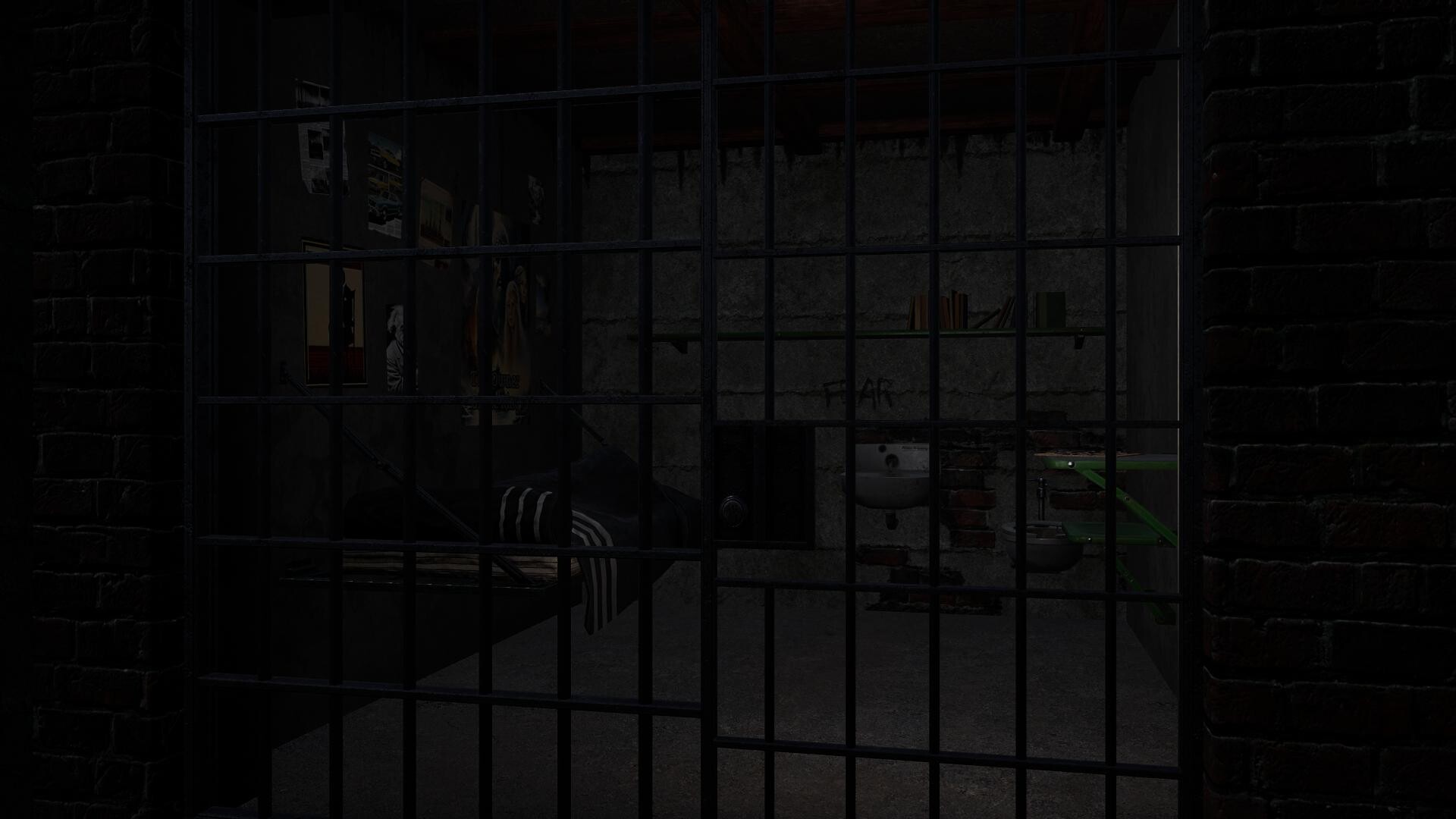
On the surface, Trace of the Villa is an investigative adventure about Jin, a sibling searching for his missing sister. The mansion he enters feels “less abandoned than erased”: rooms look as if occupants left mid-routine, but names and photos are gone. The game frames its mystery around physical artifacts—manifests, safes, secured systems—and the act of restoring those systems to coax the house into revealing its past. The official description highlights encrypted documents, suspicious transfer records, falsified identities, and a larger concealed operation waiting to be pieced together.

When and where
Trace of the Villa released on Steam on 28 May, 2026. It is published and developed by Steadyturtle Co., Ltd. The game appears on Steam as a PC title with single-player-focused accessibility options such as subtitle support and color alternatives.
Why the theme matters — erased identity as design lever
The mansion’s deliberate absence of names and photographs isn’t just atmosphere; it’s a narrative device. When a place has been “erased,” every found object becomes evidence, every locked door becomes a hypothesis, and the player’s assumptions drive interpretation. By framing investigation around bureaucratic traces—manifests, transfer records, encrypted fragments—the game turns institutional opacity into playable mystery. For players who trust environmental storytelling, that setup rewards patience: meaning emerges as you restore context rather than receive it as exposition.
How you uncover meaning — core investigation loop
- Observe spaces that feel intentionally preserved or scrubbed clean; absence is a clue as much as presence.
- Restore systems (power, secure terminals) to unlock new areas and access encrypted documents and safes.
- Collect manifests and transfer records—these fragments trace movements, falsified identities, and financial redirection.
- Piece together a timeline from scattered material: arrivals without records, departures without witnesses, transactions that point to a larger operation.
The official description positions puzzles and system restoration as the mechanisms by which the mansion “begins to reveal what it was hiding,” so expect a narrative puzzle design where each solved lock or decrypted file reframes earlier discoveries.
Player scenarios — who should wishlist this
- Investigative slow-burn fans: If you prefer puzzle-driven exploration that rewards note-taking and hypothesis-building, this fits your taste.
- Environmental storytellers: Players who enjoy reading lived-in spaces for social history and implication will appreciate the focus on missing identities and sanitized rooms.
- Narrative-first mystery players: If you like your story revealed incrementally through documents and systems rather than through cutscenes, Trace of the Villa aligns with that design philosophy.
- Accessibility-conscious players: The Steam categories note subtitle options, color alternatives, and configurable volume controls—helpful for those who value readable, tuneable presentation.
How it compares — neighboring story-rich mysteries
Below is an editorial comparison on lawful criteria: genre, atmosphere, puzzle focus, exploration style, story tone, and pacing. This is meant to help readers decide which experience better matches personal preference.
| Title | Primary focus | Story delivery | Pacing | Puzzle / Exploration style | Atmosphere / Tone |
|---|---|---|---|---|---|
| Trace of the Villa | Investigative mansion mystery | Environmental artifacts, restored systems, encrypted documents | Methodical, slow-burn | Clue-driven puzzles tied to systems and safes | Uneasy, erased identities, institutional secrecy |
| Inscryption | Card-based odyssey mixing puzzles with meta-narrative | Layered, meta reveals across formats | Variable; can be tense and immediate | Escape-room style puzzles embedded in card mechanics | Dark, psychological, surreal |
| Outer Wilds | Open-world cosmic mystery | Environmental lore and cumulative discovery across loops | Exploratory, player-led pacing | World-based puzzles and timeline reconstruction | Wonder-tinged melancholy, scientific curiosity |
| Journey | Atmospheric exploration | Non-verbal, symbolic storytelling | Gentle, contemplative | Traversal-based—discovery through movement | Emotional, elegiac, open to interpretation |
| The Forgotten City | Narrative-driven time-loop investigation | Dialogue and player choices reveal truth | Focused, often puzzle-centric | Puzzle and consequence-driven, often moral | Moral tension, mystery wrapped in social systems |
| The Medium | Psychological horror with dual-reality exploration | Story through both real world and spirit realm interplay | Deliberate, tense | Puzzle solving across parallel planes | Haunting, psychological, confronting trauma |
Deciding checklist
Wishlist Trace of the Villa if:
- You enjoy reading environments for narrative clues and prefer puzzles that unlock story, not just progression.
- You value slow, careful revelation of a conspiracy or hidden operation rather than action-first pacing.
- You want a single-player experience with configurable accessibility options mentioned on Steam.
Pass or pause if you want faster-paced exploration, heavy combat, or multiplayer interaction—Trace of the Villa is designed as an introspective, story-focused investigation rooted in a single-player mansion mystery.
Watch and listen
If you want a taste of how the game presents itself, search for trailers and gameplay footage here (this link points to YouTube search results; a verified official video isn’t claimed by this article): Trace of the Villa — YouTube search.
View Trace of the Villa on Steam
All referenced titles and trademarks belong to their respective owners. Comparisons in this article are editorial discovery only and not endorsements. Information about Trace of the Villa (release date, developer/publisher, categories, and official short description) is taken from the game’s Steam page and provided metadata.
Leave a Reply