
Trace of the Villa: an escape-room style mystery built around restoring power, unlocking spaces, and reconstructing evidence
Trace of the Villa places you in Jin’s shoes—a lone searcher in a remote, decaying mansion where restoring power literally illuminates the trail to a missing sister. The game ties locked-room thinking to clue chains and environmental reading: flip breakers, bring systems online, open previously sealed compartments, and piece together a fragmented operation from safes, manifests, and encrypted fragments.

| Title | Trace of the Villa |
|---|---|
| Release date | 28 May, 2026 |
| Developer / Publisher | Steadyturtle Co., Ltd. |
| Genres | Action · Adventure · Indie |
| Categories (Steam) | Single-player; Color Alternatives; Custom Volume Controls; Playable without Timed Input; Subtitle Options; Family Sharing |
| Steam app | Trace of the Villa on Steam |
Who this is for
This will appeal to PC players who favor atmospheric mystery adventure and slow-burn suspense over twitch action. If you enjoy locked-room thinking—tracing sequences of interdependent puzzles, reading environmental detail for narrative clues, and methodically reconstructing timelines from found documents—Trace of the Villa is targeted at that exact mindset. The protagonist and premise are deliberately personal: Jin’s search for a missing sister frames the investigation, so players who prefer emotionally driven, story-rich exploration will likely be engaged.
What the game is
Trace of the Villa is an action-adventure indie on Steam from Steadyturtle Co., Ltd. It stages a mansion mystery where many systems are offline or sealed, and restoring power becomes a core gameplay loop. As power returns, secured systems come online and previously hidden compartments, safes, and encrypted fragments become accessible. The official description frames the mansion as “deliberately forgotten” and “less abandoned than erased,” where possessions remain but identities and records have been removed.

When and where
Trace of the Villa released on 28 May, 2026 and is available on Steam for PC. The Steam page lists genres as Action, Adventure, Indie and includes single-player and accessibility-related categories such as subtitle options and the ability to play without timed input.
Why the theme matters
Restoring power as a mechanic does more than open doors: it stages a paced reveal. When puzzles are gated behind systems coming back online, the player has to think in chains—one fix exposes a clue that points to the next repair or lock. That turns the mansion into an investigative ecosystem where electricity, locked safes, and encrypted manifests are narrative devices as well as puzzle components. Thematically, it underlines the idea of recovery—of memory, records, and possibly people—against a setting where identities were erased.
How you progress: the investigative loop
Progress is built around a few repeating beats:
- Read the environment for leads—notes, manifests, and suspicious transfer records are primary artifacts.
- Restore systems—power panels, breakers, or in-game control nodes reactivate camera feeds, safes, or hidden compartments.
- Open spaces—previously locked rooms and secured cabinets yield fragments that chain into the next objective.
- Reconstruct evidence—decrypt fragments, match manifests, and assemble a timeline tracing arrivals and departures that lack official records.
The official description highlights that “secured systems come back online” and “safes yield fragments of encrypted documents and suspicious transfer records,” which frames puzzle-solving as both mechanical and forensic.
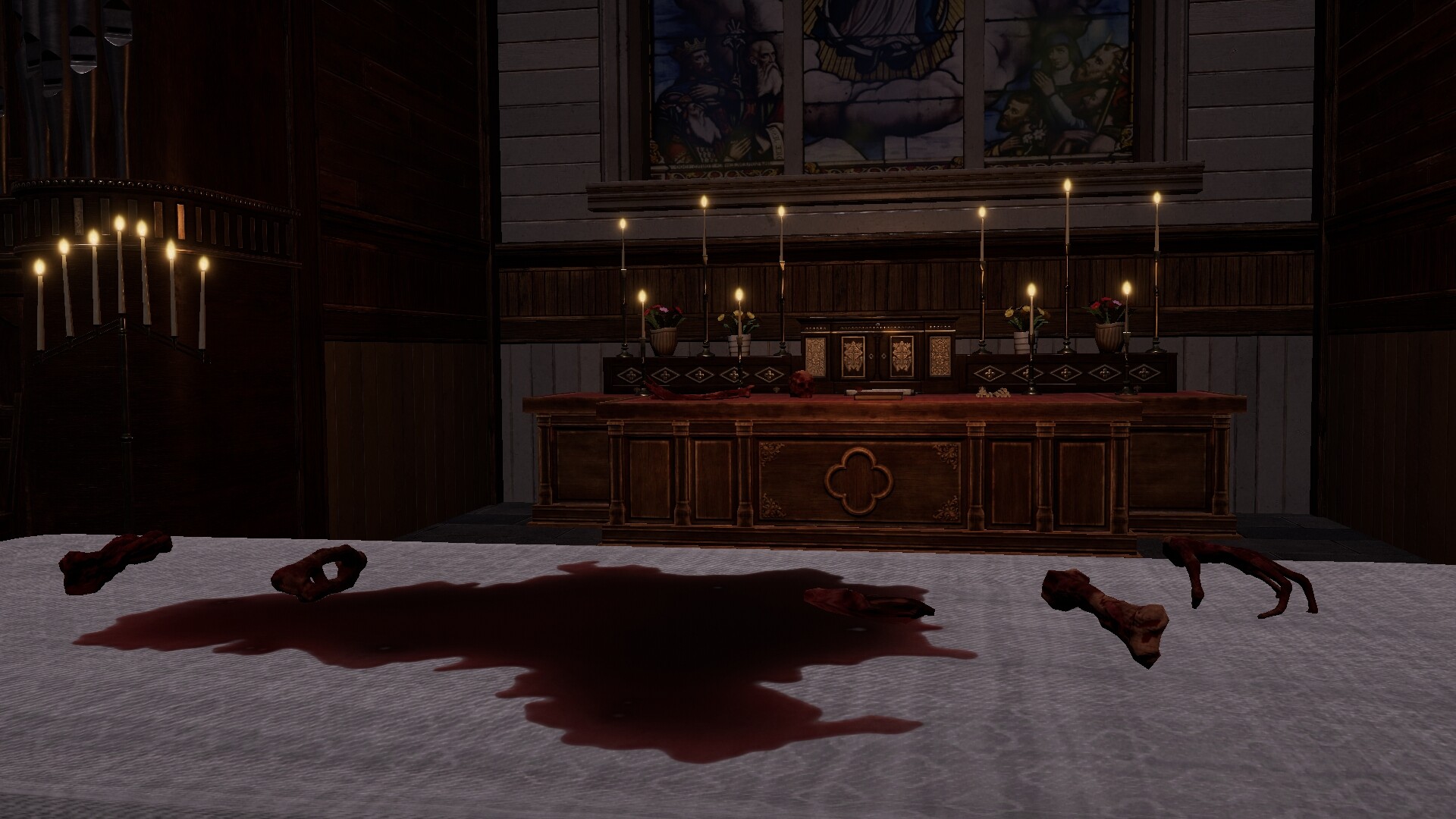
Player scenarios — who will get the most from this
- Methodical puzzle solvers who enjoy building multi-step solutions across rooms: you’ll appreciate the chain logic where one system powers another.
- Players who value environmental storytelling: the mansion keeps clues in routines and omissions—objects are present but identities removed, so attentive readers of detail find the narrative threads.
- Investigative players who prefer piecing timelines from artifacts: encrypted documents, manifests, and transfer records form the core forensic work.
- Anyone sensitive to pacing and atmosphere rather than constant action: the categories include “Playable without Timed Input,” supporting deliberate, unhurried investigation.
How it compares — at-a-glance
| Title | Genre / Tone | Puzzle focus | Exploration & pacing | Player fit |
|---|---|---|---|---|
| Trace of the Villa | Action · Adventure · Indie — atmospheric mansion mystery | Clue chains tied to restoring power, safes, encrypted documents | Slow-burn investigative pacing; gated reveals as systems come online | Fans of environmental storytelling and methodical forensic puzzles |
| The Room / The Room Two |
Leave a Reply