Trace of the Villa — why slow-burn tension and uncertainty matter more than loud shocks
Trace of the Villa is a story-rich, mood-driven mystery adventure about a man named Jin who follows a cold trail to a decaying, cut-off mansion and begins restoring what the house has deliberately hidden. Released on 28 May, 2026 and developed and published by Steadyturtle Co., Ltd., the game leans into environmental storytelling, encrypted fragments, and the kind of quiet dread that accumulates as you piece a timeline together.

Who should wishlist Trace of the Villa?
If you prefer slow-burn suspense, atmospheric mystery adventure, and narrative puzzle design over jump-scare catalogues, this is the sort of Steam indie horror that rewards players who enjoy reading spaces as much as reading text. Players who like methodical exploration, piecing together financial trails, falsified identities and the small, uncanny absence of personal artifacts will find the tone appealing. It’s aimed at single-player PC players who value mood, investigation, and a steady reveal rather than constant adrenaline spikes.
What the game is — the facts
Official short description: “Jin has spent years searching for his missing sister, pursuing leads that took him to a remote, decaying mansion where he recovered manifests and hints that indicate his sister may still be alive, somewhere at the end of the trail he is about to follow.” The game’s development and publishing are handled by Steadyturtle Co., Ltd., and its Steam listing classifies it under Action, Adventure, Indie with single-player and accessibility-style categories such as Custom Volume Controls and Subtitle Options.
| Title | Trace of the Villa |
|---|---|
| Steam App ID | 3483660 |
| Release date | 28 May, 2026 |
| Developer / Publisher | Steadyturtle Co., Ltd. |
| Genres | Action, Adventure, Indie |
| Categories | Single-player; Color Alternatives; Custom Volume Controls; Playable without Timed Input; Subtitle Options; Family Sharing |
| Short premise | Jin searches a remote, decaying mansion for clues suggesting his missing sister may still be alive; restoring power and unlocking secured systems reveals encrypted documents, falsified identities, and a concealed operation. |
When and where — Steam context
Trace of the Villa is available on Steam as of 28 May, 2026. The Steam store page contains the official visual assets and categories listed above; the game ships with accessibility options such as subtitle support and custom volume controls, and it’s presented as a single-player experience for PC players.
Why the quiet tension matters
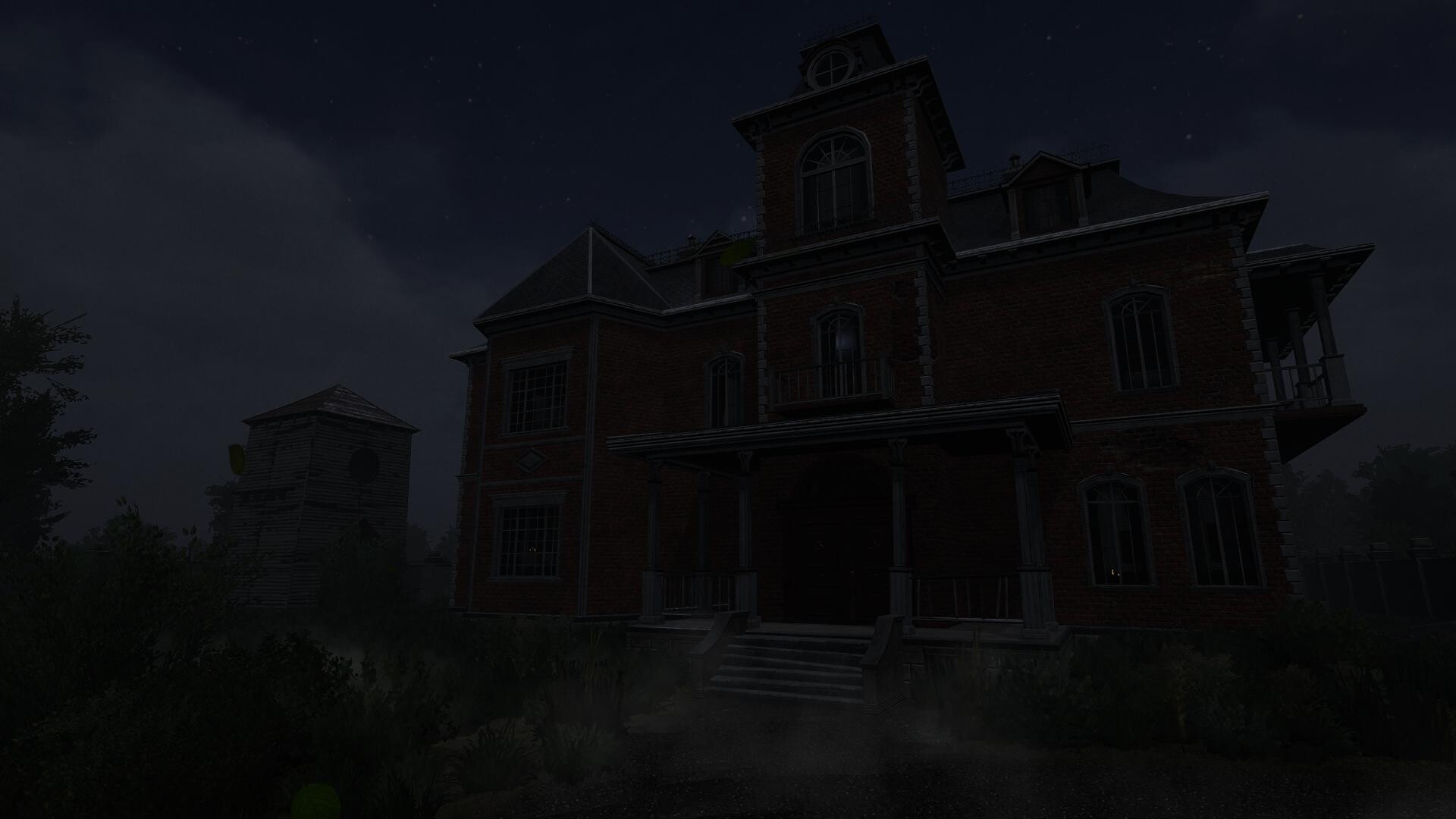
Psychological horror that relies on mood and uncertainty trades the instant adrenaline spike of jump scares for a longer, more memorable kind of unease. The mansion in Trace of the Villa is described as “less abandoned than erased”: rooms staged as if people vanished mid-routine, personal items present but names and photographs missing. That absence becomes the engine of dread. When you restore power and systems come back online, the game tells you information in fragments — safes yielding encrypted documents, suspicious transfer records, and manifests — which encourages a player to spend time connecting small anomalies into a larger, uncanny pattern.
That pacing rewards players who appreciate environmental storytelling and careful clue-driven exploration: small discoveries accumulate, and moments of revelation are earned rather than manufactured.
How you progress — reading clues and restoring the timeline
According to the Steam description, Jin’s investigation is procedural in the storytelling sense: restoring power to the estate brings locked systems and hidden compartments back online, safes yield fragments of documents, and encrypted leads point to falsified identities and financial movements. Progress comes from piecing these artifacts together — reconstructing arrivals and departures, reconciling manifests with transfer records — rather than simply surviving a gauntlet of scripted scares. That design favors players who enjoy methodical puzzle work, document analysis, and connecting narrative dots across rooms and systems.
Player scenarios — who will enjoy it, and why
- Investigative explorers: You like cataloguing clues, returning to earlier rooms with new context, and assembling timelines from documents and system logs.
- Atmosphere-first players: You prefer an unsettling mood and slow-burn dread to constant jump scares, and you’re attuned to what’s missing as much as what’s present.
- Puzzle-focused narrativists: You enjoy puzzles that unlock narrative beats—safes, encrypted fragments, and restored systems that reveal another layer of the story.
- Accessibility-minded players: If subtitle options, custom volume controls, and the ability to play without timed input matter to you, the Steam listing lists those categories explicitly.
How Trace of the Villa compares — quiet dread vs. other tones
Below is a concise editorial comparison to nearby titles that players often use as reference points. This table focuses on tone, pacing, exploration style and puzzle emphasis rather than any claim of superiority.
| Title | Tone / Atmosphere | Exploration & Pacing | Puzzle / Investigation focus |
|---|---|---|---|
| Trace of the Villa | Mansion mystery; erased identities; creeping, environmental dread. | Slow-burn; restoration of systems and revisiting spaces yields story beats. | Clue-driven: encrypted documents, manifests, safes and reconstructed timelines. |
| Amnesia: The Dark Descent | Immersive, claustrophobic first-person horror focused on helplessness and atmosphere. | Exploration is urgent and survival-minded; pacing swings between tension and hiding. | Puzzles exist, but the core is immersion and survival mechanics alongside discovery. |
| SOMA | Existential sci-fi dread with a heavy emphasis on narrative questions about identity. | Exploration-driven and deliberate; players uncover story through environment and encounters. | Focuses on narrative puzzles and encounters that prompt ethical and philosophical reflection. |
| Layers of Fear (2016) | Surreal, psychological horror built on shifting environments and a painter’s unraveling sanity. | Room-to-room exploration with changing architecture; pacing that alternates calm and disorientation. | Story-focused puzzles and environmental changes that reveal psychological layers. |
| Poppy Playtime | Horror with a toy-factory aesthetic that mixes tense puzzle sequences with chase elements. | More action-adjacent pacing with set-piece puzzles and occasional scripted threats. | Puzzle-adventure focus with mechanical tools (e.g., GrabPack) and moments of high tension. |
YouTube discovery
If you want to see footage or trailers, use this YouTube search path to locate gameplay and trailers (search results may include community videos): Trace of the Villa trailer & gameplay — YouTube search. The Steam page also provides a trailer thumbnail and official screenshots.
Final take — who this will satisfy
Trace of the Villa is a fit for players who want a psychological investigation
Leave a Reply