Who should consider Trace of the Villa after atmospheric mystery adventures?
Trace of the Villa (Steadyturtle Co., Ltd., released 28 May, 2026) positions itself as a slow-burn mansion mystery built around environmental storytelling, encrypted fragments and a personal investigation. If you value clue-driven exploration and narrative puzzle design inside a deliberately decaying estate, this Steam indie aims squarely at that audience.

Quick facts
| Title | Trace of the Villa |
|---|---|
| Developer / Publisher | Steadyturtle Co., Ltd. |
| Release date | 28 May, 2026 |
| Genres (Steam) | Action, Adventure, Indie |
| Key categories | Single-player; Color Alternatives; Custom Volume Controls; Playable without Timed Input; Subtitle Options; Family Sharing |
| Steam page | Trace of the Villa on Steam |
What the game is
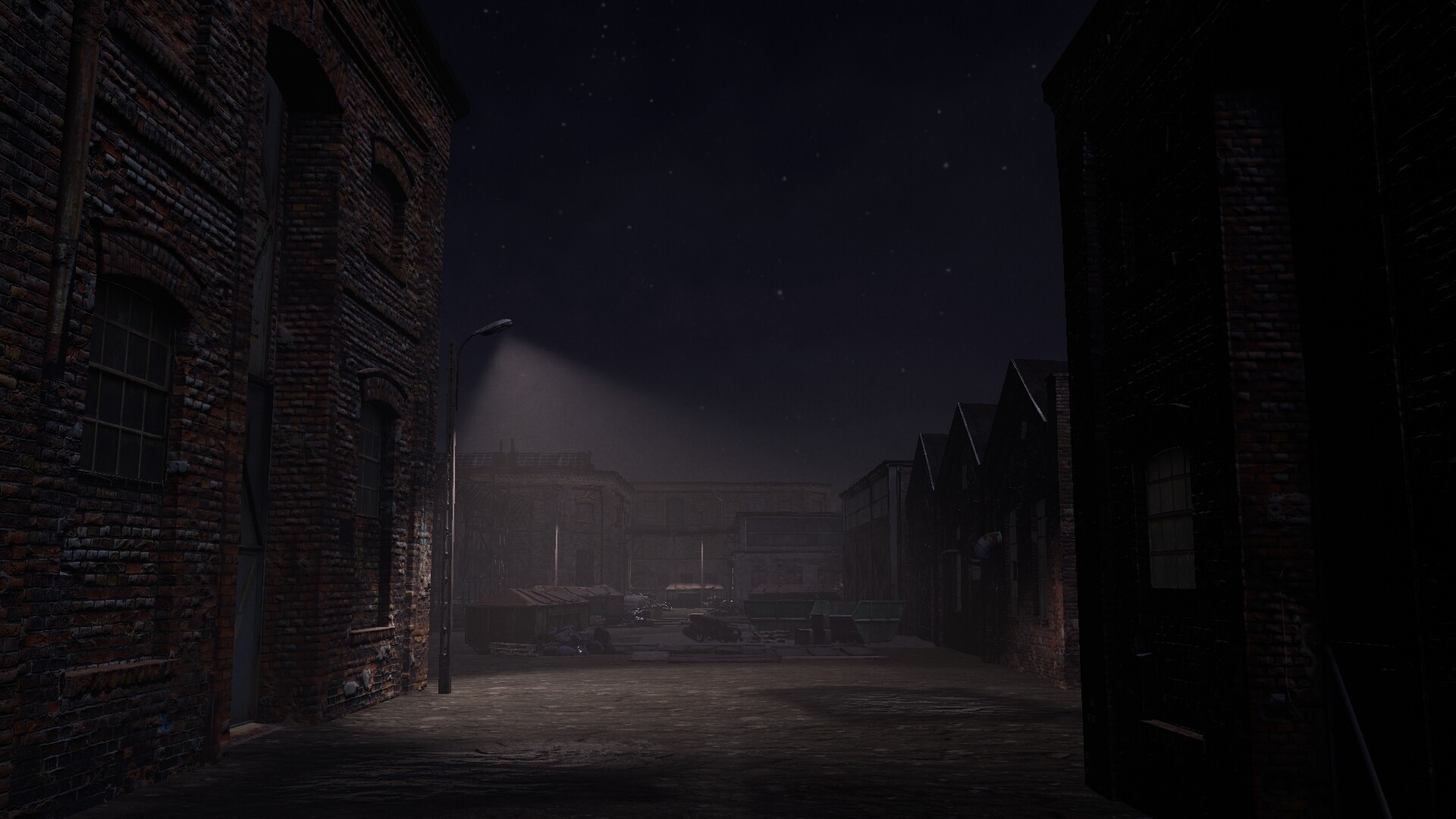
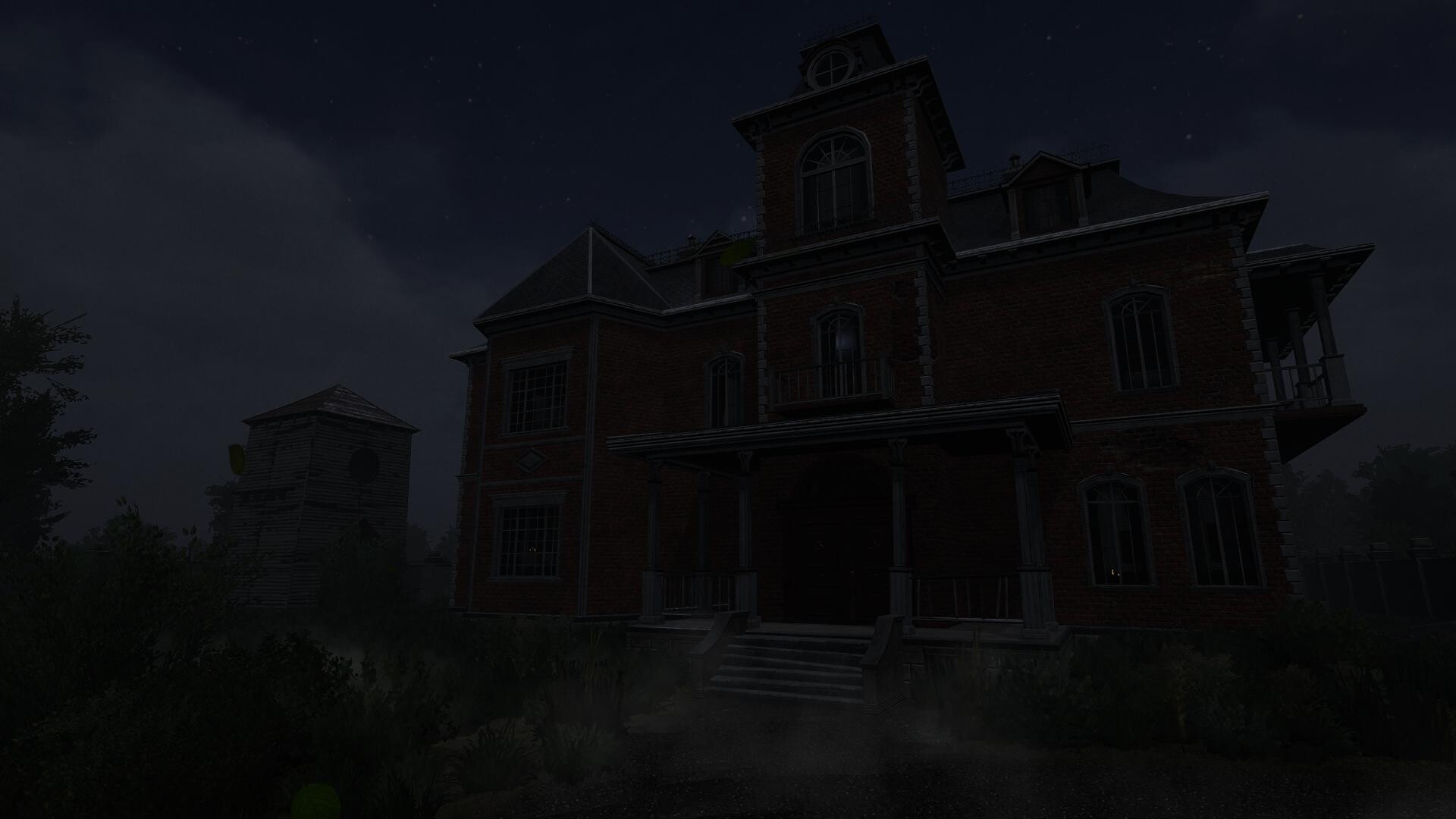
Official Steam copy frames the experience around Jin, a protagonist searching for his missing sister. Leads bring him to a remote, deliberately forgotten mansion where the estate itself serves as the primary narrator: rooms staged mid-routine, locked doors, secured systems that reveal encrypted documents and financial traces as power is restored. That premise suggests emphasis on environmental storytelling and piecing together a larger, concealed operation through found clues rather than fast action set pieces.
When and where
Trace of the Villa is available on Steam with a release date of 28 May, 2026. The Steam page lists it under Action / Adventure / Indie and includes accessibility-focused categories such as subtitle options and the ability to play without timed input.
Why the theme matters
The mansion-as-archive approach — rooms preserved like evidence, missing personal identifiers, falsified records — creates a tone of deliberate erasure. For players who enjoy atmospheric mystery adventures that trade jump scares for sustained unease and investigative payoff, that tone makes the mansion itself the principal engine of tension. The story beats (encrypted documents, suspicious transfers, falsified identities) indicate the narrative leans into conspiracy and reconstruction rather than immediate survival mechanics.
How you progress: clues, pacing and exploration
The official description highlights restoring power, unlocking hidden compartments, and decrypting fragments as progression methods. Expect a pacing model that unfolds in layers: regain systems, unlock new regions or safes, read fragments that recontextualize earlier rooms. That implies player progression through observation, inventory/lock solutions and narrative assembly rather than reflex-heavy gameplay — consistent with the Steam categories emphasizing subtitle options and no timed input.
Which players should wishlist Trace of the Villa?
- Players who prefer slow-burn suspense and environmental storytelling over instant horror shocks.
- Fans of narrative puzzle design who like to assemble timelines and motives from documents and scene detail.
- PC mystery players who appreciate accessibility options (subtitles, no timed input) and a single-player focus.
- Those who enjoy mansion mysteries that feel investigative and procedural — restoring systems, unlocking records, following financial or identity clues.
Comparison with nearby mystery/puzzle titles
Below is a compact editorial comparison on tone, pacing, puzzle focus and exploration style. This is an objective side-by-side to help decide fit, not a statement of superiority.
| Title | Release | Tone / Atmosphere | Pacing | Puzzle focus / Exploration |
|---|---|---|---|---|
| Trace of the Villa | 28 May, 2026 | Mansion mystery, erased identities, conspiracy-leaning | Measured, layer-by-layer restoration and discovery | Clue-driven, document and system-based unlocking; environmental storytelling |
| Amnesia: The Dark Descent | 8 Sep, 2010 | Immersive survival horror, sustained dread | Tense and immediate, designed to sustain fear | Exploration focused on avoidance and atmosphere, with puzzle elements that reinforce vulnerability |
| SOMA | 21 Sep, 2015 | Sci‑fi psychological horror with philosophical undertones | Slow to moderate; narrative-driven with moments of high tension | Exploration of setting and narrative puzzles; emphasis on story and atmosphere |
| Layers of Fear (2016) | 15 Feb, 2016 | Psychological horror inside a Victorian mansion; reality shifts | Variable; sequences of escalating unease and disorientation | Environmental puzzles tied to storytelling and shifting architecture |
| The Room | 28 Jul, 2014 | Focused, tactile mystery; intimate and claustrophobic | Compact and puzzle-dense, deliberately paced | Device-and-mechanism puzzles in a confined space; puzzle-first |
| Rusty Lake Hotel | 29 Jan, 2016 | Surreal, episodic point-and-click atmosphere | Short, self-contained chapters with a steady rhythm | Point-and-click inventory and logic puzzles; vignette-style exploration |
Player scenarios — specific fits
If you liked narrative assembly and slow reveals
Choose Trace of the Villa if you enjoy collecting fragments and letting the story emerge from decrypted documents, power systems and staged rooms rather than being told everything up front.
If you prefer intense survival horror
Consider titles like Amnesia or SOMA instead: they lean heavier on immediate dread and fear-driven pacing. Trace of the Villa is more investigation-first.
If you want compact, puzzle-first design
The Room offers tightly focused mechanical puzzles in confined spaces. Trace of the Villa appears to spread puzzle momentum across a larger manor and a document-driven narrative.
If you like episodic surrealism
Rusty Lake Hotel’s short, bizarre chapters differ from Trace of the Villa’s mansion-scale investigation; pick the latter for a sustained, single-setting reconstruction.
YouTube / trailer discovery
Search for trailers and gameplay clips on YouTube (use this search path): Trace of the Villa trailer & gameplay on YouTube. Note: use this link as a discovery route — Steam assets confirm screenshots and header art on the store page.
Leave a Reply