
Trace of the Villa — an inspection-first mansion mystery for clue-driven players
Trace of the Villa is a slow-burn, atmospheric mystery adventure that puts object logic and environmental reading at the center of its design. Developed and published by Steadyturtle Co., Ltd., it sends protagonist Jin into a decaying, deliberately erased mansion where restoring power and piecing together manifests and encrypted fragments reveal a larger, sinister operation.

Who this game is for
- Players who prefer inspection-heavy play: those who like methodically examining rooms, inventory items and environmental details rather than combat or reflex tests.
- Fans of locked-room thinking and clue chains — people who enjoy puzzles that chain together logically and change the environment as you progress.
- Story-first mystery players who want a slow, atmospheric reveal driven by documents, manifests and restored systems rather than expositional cutscenes.
- PC players who value accessibility options listed on Steam (color alternatives, subtitle options, custom volume controls) and single-player experiences.
What the game is (officially)
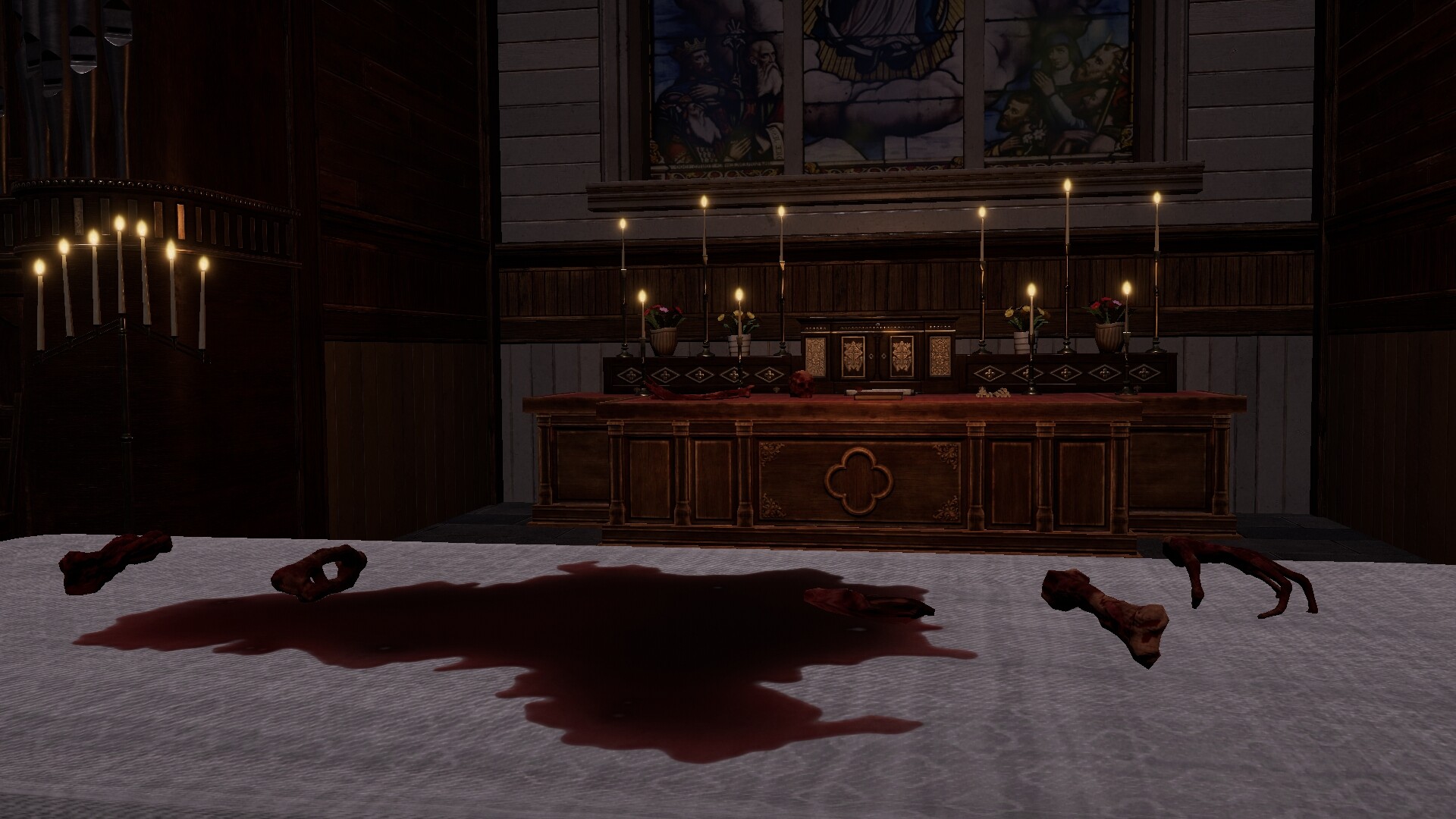
Trace of the Villa centers on Jin, who has spent years searching for his missing sister and follows a lead to a remote, decaying mansion. According to the Steam page, the estate appears deliberately forgotten: furnished rooms with missing identities, locked doors hiding hastily secured secrets, and personal belongings left in place but without photographs or names. When Jin restores power to the property, secured systems come back online, hidden compartments unlock, and safes yield fragments of encrypted documents and suspicious transfer records — each solved puzzle revealing another layer of a concealed operation.
When and where — release details
| Title | Trace of the Villa |
|---|---|
| Release date | 28 May, 2026 |
| Developer / Publisher | Steadyturtle Co., Ltd. |
| Genres | Action, Adventure, Indie |
| Steam categories | Single-player; Color Alternatives; Custom Volume Controls; Playable without Timed Input; Subtitle Options; Family Sharing |
| Steam page | Trace of the Villa on Steam |
Why the theme matters: environmental puzzles and object logic
The mansion mystery described on Steam positions Trace of the Villa as a game about reconstruction — not just of a timeline but of identity and systems. That premise naturally shifts the puzzle design toward environmental problem-solving: restoring power unlocks new interactions, safes and encrypted documents supply clues, and the absence of names or photos forces players to read furnishings, placement and traces as primary evidence.
For players who value clue resonance (one discovery changing how the next room reads), this setup favors careful observation. The game’s stated focus on manifests, transfer records and encrypted fragments suggests a chain-of-evidence approach: a solved lock or decoded note doesn’t only grant a reward, it reframes other items and locations inside the villa.
How you read clues and progress
- Start with systems: the Steam description highlights restoring power as a gameplay pivot. Turning systems on is likely to enable new interactions and expose hidden compartments or safes.
- Follow document chains: manifests and encrypted fragments are explicit hooks in the official text — expect puzzles that cross-reference ledgers, names (or the intentional absence of names), and suspicious transfers.
- Use object logic: because personal identifiers are missing, the environment itself becomes the cluebook — furniture arrangement, recurring motifs, and what’s been locked or secured will act as evidence.
- Progress is investigative, not reactionary: categories on Steam include “Playable without Timed Input,” which reinforces that pacing leans toward deliberate inspection rather than timed reflex puzzles.

Comparison table — how Trace of the Villa fits the escape-room and mystery landscape
| Title | Genre / Tone | Puzzle focus | Exploration & pacing | Who should consider it |
|---|---|---|---|---|
| Trace of the Villa | Action / Adventure / Indie — mansion mystery, slow-burn suspense | Environmental puzzles, document chains, system restoration (power/safes) | Investigative, inspection-heavy, deliberate (no timed input required) | Players who like clue chains, object logic, and narrative-driven exploration |
| The Room | Adventure / Indie — tactile mystery room escape | Mechanical puzzle boxes, focused object manipulation | Compact, self-contained rooms with a tactile puzzle loop | Fans of close-up, device-based puzzles and tightly designed mechanical solutions |
| The Room Two | Adventure / Indie — expanded tactile mysteries | Complex puzzle devices across connected spaces | More varied locales than the first, still puzzle-focused and deliberate | Players who enjoyed The Room and want more elaborate, device-driven puzzles |
| Escape Simulator | Adventure / Casual / Indie — interactive escape rooms with high interactivity | Highly interactive objects and room-scale puzzles; sandbox manipulation | Fast to medium pace depending on room; supports solo or co-op | Players who like moving furniture, breaking locks, and high object interactivity |
| Hi‑Fi RUSH | Action — rhythm-based action-adventure | Combat and beat-synced interactions rather than environmental clue chains | Upbeat, pacing driven by music and action sequences | Players looking for rhythm-driven action — not the same audience as inspection-first mysteries |
Player scenarios — who will enjoy Trace of the Villa and how to approach it
Scenario A — The Methodical Investigator
You enjoy spending an hour on a single cabinet because the details matter. Approach the villa slowly: restore power early, inventory every recovered document, and annotate recurring names or transfers as you go. The payoff comes from seeing disparate clues cohere into motive and timeline.
Scenario B — The Atmospheric Story Seeker
You prioritize tone and reveal. Let the environment set the pace; read room placements and the absence of photographs as narrative evidence. Expect a psychological, slow-burn atmosphere more than action set pieces.
Scenario C — The Puzzle Completionist
You want puzzles that change the space. Look for puzzles that unlock systems or physically
YouTube discovery
For trailer and gameplay discovery, use YouTube search rather than relying on unverified embeds: Find Trace of the Villa trailer and gameplay searches on YouTube.
Leave a Reply