
Trace of the Villa: a slow-burn mansion mystery built around clue-driven discovery
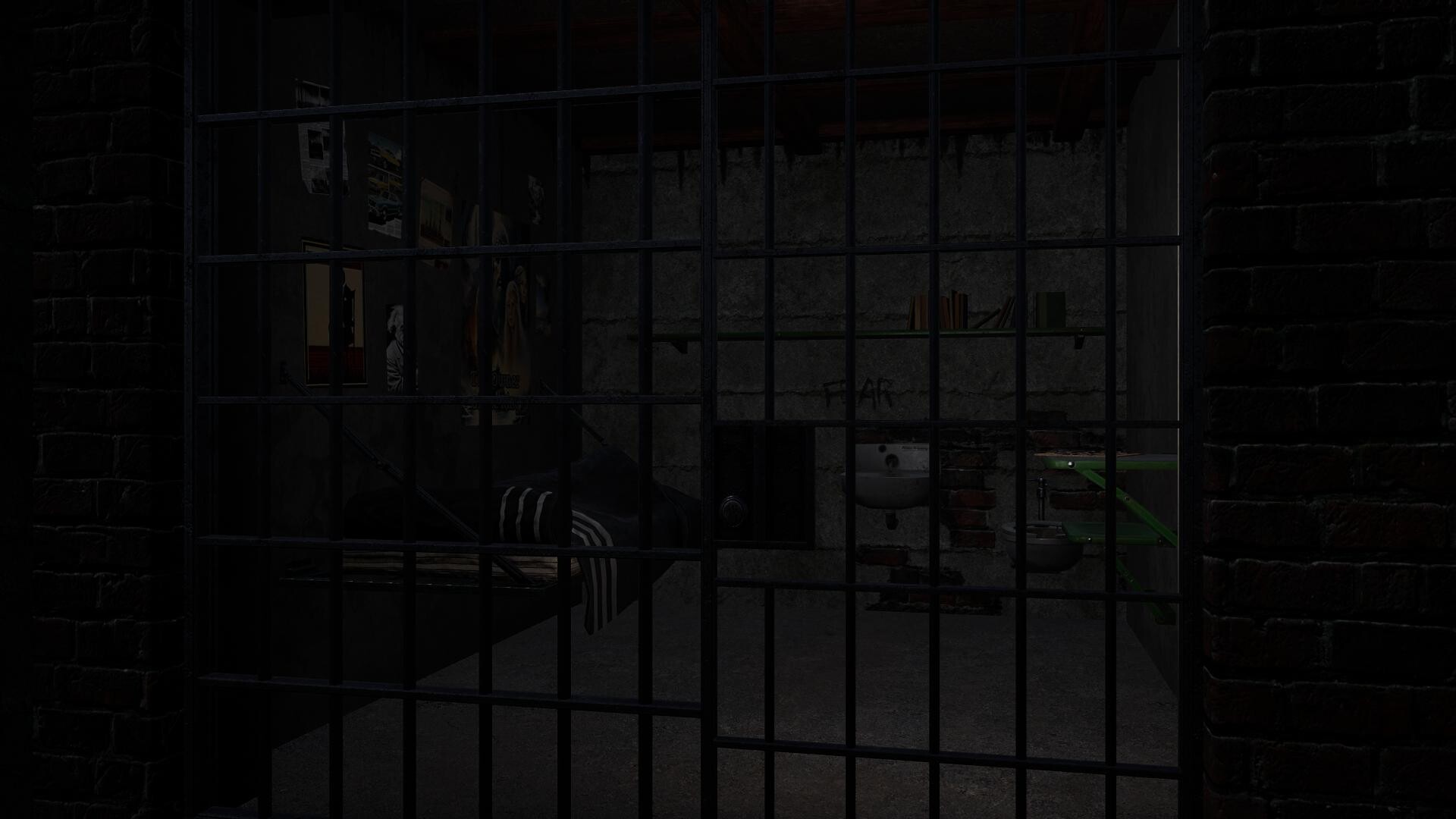
Trace of the Villa puts you in Jin’s shoes: a years-long search for a missing sister leads to a remote, decaying mansion where recovered manifests and system fragments hint that she might still be alive. The game promises environmental storytelling and investigative progression—restore power, open locked systems, and read the traces that remain to piece together a larger operation.


Quick facts
| Title | Trace of the Villa |
|---|---|
| Release date | 28 May, 2026 |
| Developer / Publisher | Steadyturtle Co., Ltd. |
| Genres | Action, Adventure, Indie |
| Notable Steam categories | Single-player · Color Alternatives · Custom Volume Controls · Playable without Timed Input · Subtitle Options · Family Sharing |
| Steam page | View Trace of the Villa on Steam |
Who this is for
If you prefer story-first mystery design—investigative pacing, atmospheric interiors, and slow revelations—Trace of the Villa targets that player. The Steam listing frames Jin’s playthrough as personal: leads that went cold, a forgotten estate, and fragments of evidence that only a careful player will assemble into meaning. Players who enjoy reading documents, toggling systems back on, and letting the environment answer questions at a measured pace are the intended audience.
What the game is
Officially described on Steam as Jin’s investigation into a remote, decaying mansion where manifests and hints suggest his sister may still be alive, Trace of the Villa reads like a narrative mystery grounded in environmental clues. The estate is presented as deliberately erased of names and clear histories; restoring power and unlocking secured systems reveals encrypted documents, suspicious transfers, and falsified identities. That sequence—find traces, restore systems, read fragments—is the core story-forward loop the Steam page highlights.
When and where
Trace of the Villa released on Steam on 28 May, 2026 and is available on PC via its store page. The Steam listing includes support features such as subtitle options, color alternatives, and controls that make it playable without timed input—useful indicators for accessibility-minded players.
Why the theme matters
Mansion mysteries work when the space itself acts like a text: furniture, missing photographs, locked doors, and powerless systems all become readable clues. The official description makes that explicit—identities “removed,” rooms left mid-routine, and secured systems that, when restored, yield fragments pointing to a larger operation. That pattern changes the player’s curiosity from “what happened?” to “who wanted this forgotten, and why?” For players seeking psychological investigation over jump scares, a focus on financial trails, falsified identities, and controlled movements grounds the mystery in human systems rather than pure supernatural explanation.
How you read clues and progress
The Steam page outlines the core investigative beats: restore power to the estate, bring secured systems back online, unlock hidden compartments, and open safes that contain fragments of encrypted documents and transfer records. Progression is therefore partially procedural—systems and compartments that only reveal further clues once reactivated—and partially interpretive: assembling timelines from disparate fragments. The game’s puzzle loop, as presented, is clue-driven exploration rather than reflex-based trials; Steam categories like “Playable without Timed Input” reinforce a slower, analytical approach.
Player scenarios — will you want to wishlist it?
- You like slow-burn narrative puzzles: If carefully reading manifests, decrypting fragments, and reconstructing timelines satisfies your curiosity, Trace of the Villa will likely fit your tastes.
- You want a personal, motivation-driven mystery: The protagonist’s family search (a missing sister) gives the investigation emotional stakes rather than just abstract secrets.
- You prefer accessibility and readability: Steam categories such as subtitle options, color alternatives, and non-timed input make the pace accessible to a wider set of players.
- You prioritize environmental storytelling over action-heavy combat: While listed under Action and Adventure, the store text centers on investigation and restored systems; players expecting fast reflex challenges should review gameplay media first.
How it sits next to similar story-rich mysteries
Below is a concise editorial comparison to help readers decide by emphasis: narrative focus, exploration style, puzzle design, pacing, and player fit. These comparisons are editorial and based on public descriptions and genre cues.
| Title | Genre / Tone | Narrative focus | Exploration / Puzzle style | Pacing / Player fit |
|---|---|---|---|---|
| Trace of the Villa | Action · Adventure · Indie — mansion mystery | Personal investigation (missing sister), institutional secrecy, falsified identities | Clue-driven: restore systems, open compartments, decrypt document fragments | Slow-burn; for players who savor environmental storytelling and interpretive work |
| Inscryption | Adventure · Indie · Strategy — card-based, psychological | Psychological horror explored through meta-cards and narrative layers | Escape-room puzzles blended with deckbuilding mechanics | Dense, layered; appeals to players who like meta-narrative surprises and puzzle hybridity |
| Outer Wilds | Action · Adventure — open-world cosmic mystery | Cosmic curiosity and cyclical discovery (time loop) | Exploration-focused, environmental puzzles across multiple locales | Open-ended, contemplative; for players who enjoy exploration-driven epiphany |
| Journey | Adventure · Indie — meditative exploration | Emotional, minimalist story told through movement and environment | Navigation and world-design rather than document-based puzzles | Quiet, atmospheric; suits players seeking poetic exploration over explicit clues |
| The Forgotten City | Adventure · Indie · RPG — narrative puzzle, time-loop | Ethical and narrative mystery driven by choice and consequence | Puzzle and dialogue-driven; systems-based story unfolding from player decisions | Pacing varies with player choice; fits those who like systemic narrative puzzles |
Leave a Reply