
Trace of the Villa — why quiet tension and erased identities beat cheap shocks
Trace of the Villa asks players to sit with absence: a remote, decaying mansion where rooms look lived-in but names and photographs are gone, and the evidence points to people who were quietly moved through a system of falsified identities. The game foregrounds atmospheric suspense, slow-burn investigation, and the uncanny feeling that a space has been deliberately cleared of history—an approach that matters more for long-term dread than a parade of jump scares.

Who this is for
Players who value environmental storytelling, patient pacing, and clue-driven exploration will find Trace of the Villa pitched at their tastes. If you prefer narrative puzzle design that rewards attention to small, domestic details—locked doors, safes, encrypted documents, and manifests—this leans toward a slow-burn psychological investigation rather than in-your-face horror theatre. Conversely, if you want nonstop action or frequent jump scares, this title’s focus on atmosphere and uncovered histories may feel deliberately restrained.
What the game is
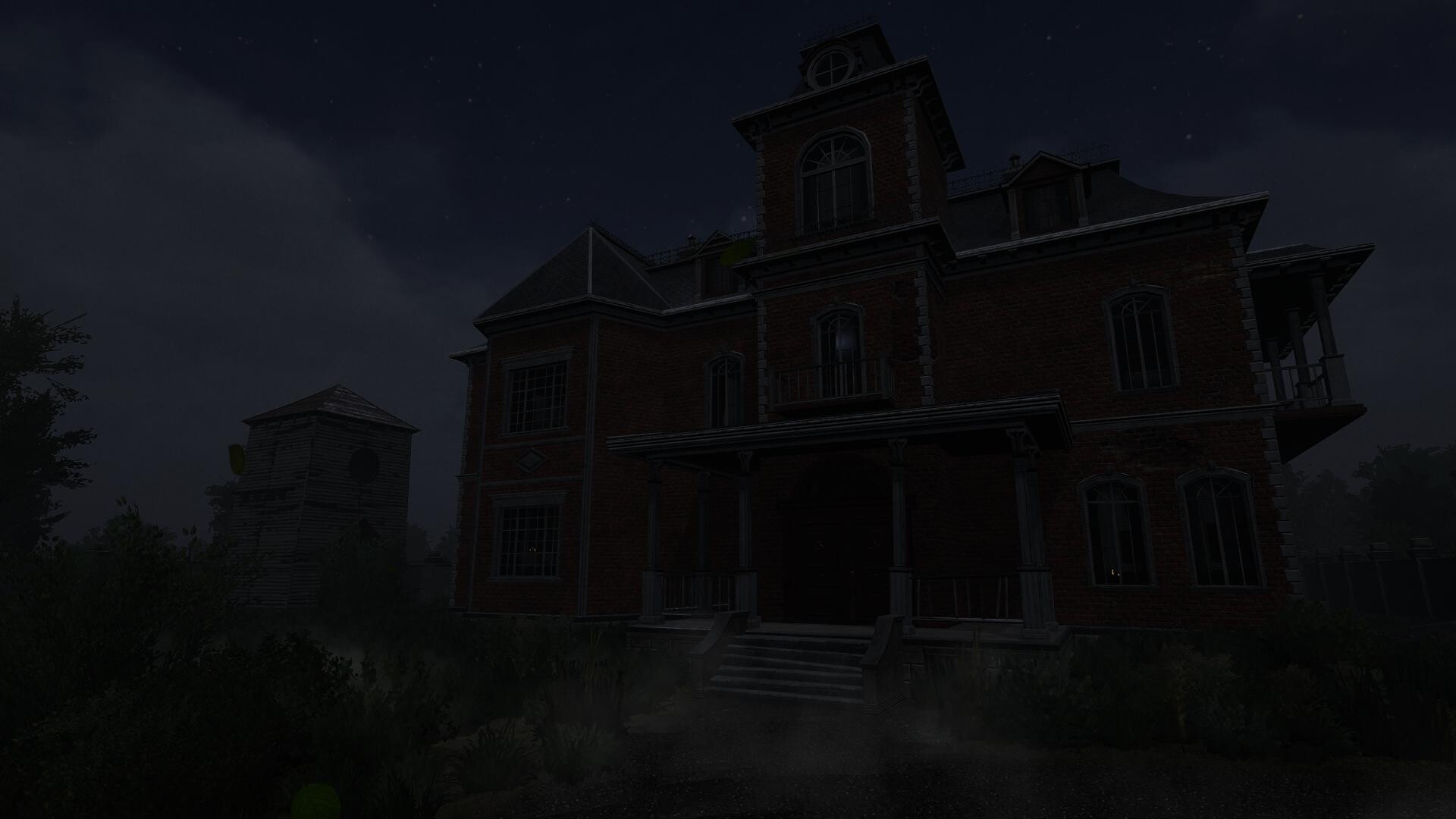
Trace of the Villa is an Action/Adventure indie on Steam developed and published by Steadyturtle Co., Ltd. Its premise follows Jin, who has spent years searching for a missing sister. A lead brings him to a property cut off from the grid: a mansion that looks less abandoned than erased. Rooms are furnished as if the occupants vanished mid-routine, but there are no photographs, names, or histories—signs that identities themselves were removed.
The official description explains that restoring power to the estate gradually reactivates secured systems, unlocks hidden compartments, and brings safes and encrypted records back into play. Players recover manifests and hints that push the story toward a larger, carefully concealed operation: falsified identities, suspicious transfer records, and movements that leave no witnesses.

When and where
Trace of the Villa released on 28 May, 2026 and is available on Steam. It is developed and published by Steadyturtle Co., Ltd., and is listed in genres as Action, Adventure, Indie. Steam categories include Single-player, Color Alternatives, Custom Volume Controls, Playable without Timed Input, Subtitle Options, and Family Sharing.
How the game progresses: reading clues and rebuilding history
Progression is investigative and layered. According to the official description, Jin uncovers manifests and hints, then restores power to the estate — a mechanic that brings systems and locked caches online. Safes yield fragments of encrypted documents and suspicious transfer records; hidden compartments and secured systems reopen as you solve puzzles. Each solved puzzle reveals another layer of a concealed operation. That structure privileges observation, note-taking, and linking small factual fragments into a timeline rather than relying on scripted jump scares or set-piece combat.
Why unexplained spaces and identity erasure matter in horror
Unexplained spaces—rooms that are furnished but emptied of identifiers—create a slow, existential unease. When photos and names are missing, the player’s imagination fills the gap with possibilities: deliberate cleansing, institutional control, or a conspiracy that removes people’s traces. That ambiguity sustains tension longer than a shock; it makes players the investigators and gives the environment moral weight. Trace of the Villa uses that absence as a core storytelling device, making the mansion’s silences the primary antagonist.
Compact facts — Trace of the Villa
| Title | Trace of the Villa |
|---|---|
| Release date | 28 May, 2026 |
| Developer | Steadyturtle Co., Ltd. |
| Publisher | Steadyturtle Co., Ltd. |
| Genres | Action, Adventure, Indie |
| Steam categories | Single-player; Color Alternatives; Custom Volume Controls; Playable without Timed Input; Subtitle Options; Family Sharing |
| Steam AppID | 3483660 |
How it stacks up: short editorial comparison
The following table compares Trace of the Villa with nearby psychological/mystery titles on lawful editorial criteria: genre emphasis, atmosphere, puzzle and exploration focus, tone, and pacing.
| Game | Main focus | Atmosphere | Puzzle / exploration | Tone & pacing | Who should play |
|---|---|---|---|---|---|
| Trace of the Villa (2026) | Clue-driven mansion mystery | Quiet, erased domestic spaces | Restoring systems, safes, encrypted records, manifests | Slow-burn, investigative | Players who value environmental storytelling and patient puzzle work |
| Amnesia: The Dark Descent (2010) | First-person survival horror | Immersive, oppressive nightmare | Exploration with emphasis on survival and atmosphere | High dread, immersive and tense | Players who want immersion and survival-oriented psychological horror |
| SOMA (2015) | Sci-fi existential horror | Underwater, claustrophobic, philosophical | Exploration and narrative puzzles tied to story questions | Slow, contemplative, unsettling | Players who want story that questions identity and existence |
| Layers of Fear (2016) | First-person psychological horror | Shifting Victorian mansion, surreal | Environment-driven puzzles with changing spaces | Atmospheric, artistically intense | Players drawn to unreliable spaces and narrative-focused scares |
| Poppy Playtime (2021) | Horror/puzzle adventure | Tense, toy-factory horror | Puzzle tools and environment interaction | More direct threat and set-piece encounters | Players who want puzzle mechanics wrapped in threat-driven encounters |
Player scenarios — who should wishlist Trace of the Villa
- If you enjoy inspecting household clutter and reading documents to piece together a timeline, wishlist this.
- If you prefer atmospheric mystery over frequent combat or scripted jump scares, this aligns well with your tastes.
- If you
Steam page
View Trace of the Villa on Steam
YouTube discovery
For trailer and gameplay discovery, use YouTube search rather than relying on unverified embeds: Find Trace of the Villa trailer and gameplay searches on YouTube.
Leave a Reply