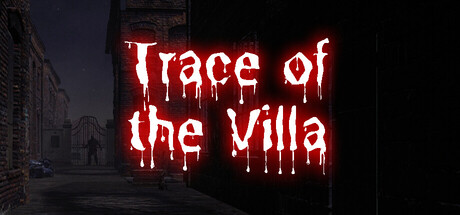
Trace of the Villa: Who should wishlist this atmospheric, evidence-led mansion mystery
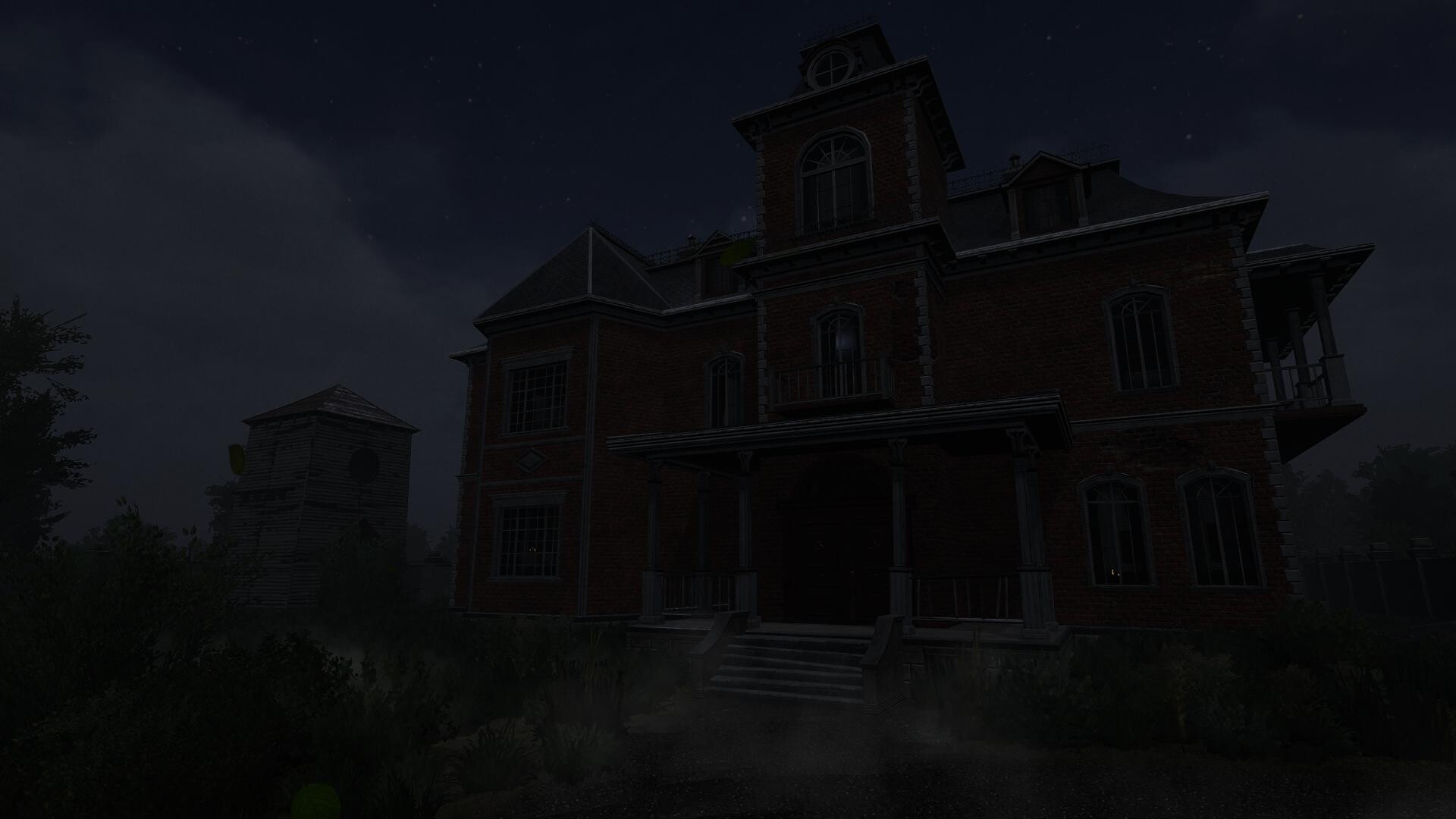
Trace of the Villa is a slow-burn, document-heavy mystery adventure centered on Jin’s search for his missing sister inside a remote, decaying mansion. If you prize environmental storytelling, locked-room evidence, and puzzles that hinge on reading manifests, encrypted documents and reconstructing timelines, this one is aimed squarely at you.

Quick facts
| Title | Trace of the Villa |
|---|---|
| Steam AppID | 3483660 |
| Release date | 28 May, 2026 |
| Developer / Publisher | Steadyturtle Co., Ltd. |
| Genres | Action · Adventure · Indie |
| Notable Steam categories | Single-player · Playable without Timed Input · Subtitle Options · Color Alternatives · Custom Volume Controls · Family Sharing |
| Official short description | “Jin has spent years searching for his missing sister, pursuing leads that took him to a remote, decaying mansion where he recovered manifests and hints that indicate his sister may still be alive, somewhere at the end of the trail he is about to follow.” |
Who is this for?
– Players who prefer clue-driven, document-focused investigations to jump scares. The official description repeatedly highlights recovered manifests, encrypted documents and financial traces as the engine of the mystery.
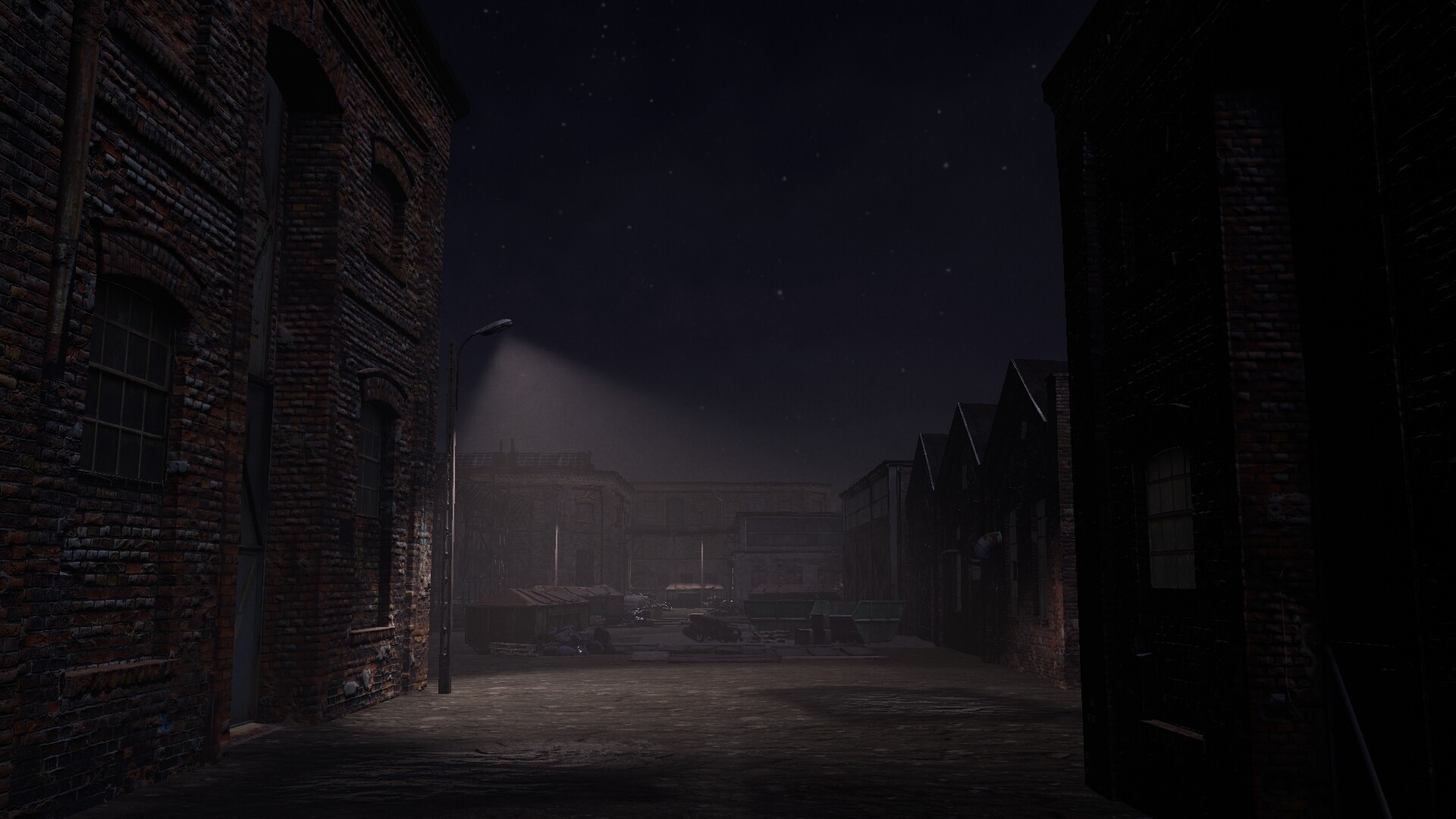
– Folks who enjoy slow-burn mansion mysteries and environmental storytelling — rooms furnished as if people vanished mid-routine, locked doors concealing secrets, and a sense that identities were deliberately erased.
– Accessibility-minded players: the Steam page lists options such as Subtitle Options, Color Alternatives, and Playable without Timed Input, which fit players who need or prefer a measured, non-reflex experience.
What the game is (concrete)
Trace of the Villa tasks you with investigating a deliberately forgotten estate. According to the official description, Jin restores power to the mansion and uncovers secured systems, hidden compartments and safes that yield fragments of encrypted documents, manifests and suspicious transfer records. Those recovered artifacts form the primary evidence chain: piecing them together reveals a pattern of falsified identities, arrivals without records and departures without witnesses.
When and where
– Available on Steam for PC (release date on Steam: 28 May, 2026).
– Developer and publisher: Steadyturtle Co., Ltd.
– Store link: Trace of the Villa on Steam
Why the theme matters: documents, dark rooms, evidence-led investigation
The core conceit — a mansion that looks inhabited but whose records and identities have been erased — shifts tension from external horror to forensic curiosity. Rather than relying primarily on atmospheric shocks, Trace of the Villa foregrounds evidence: manifests, encrypted files and financial trails that must be read and cross-referenced. That gives the game a forensic, detective tone; the emotional stakes are personal (Jin’s missing sister) while the mechanics encourage piecing together a paper trail and system logs to reconstruct what happened.
How you progress
Progression is built around discovery and reconstruction. The official description specifies examples of player activity: restoring power to estate systems, unlocking hidden compartments and safes, and recovering fragments of documents and transfer records. Expect investigation loops that alternate between exploring dark, staged rooms and examining recovered files for names, dates and inconsistencies that point to the next locked door or system to restore. The Steam categories indicate a single-player experience without timed inputs, supporting methodical evidence analysis rather than reflex-based gameplay.
Player scenarios: decide if this fits you
- You finished Layers of Fear (2016) and want more document-led reconstruction: If you appreciated its Victorian mansion atmosphere and psychological tone, Trace of the Villa offers similar slow-burn dread but refocuses on documents and encrypted records as the path forward.
- You like The Room’s focus on safes and puzzle locks but prefer broader exploration: The Room centers on mechanical puzzle boxes. Trace of the Villa uses safes and compartments too, but folds those puzzles into a wider investigative narrative across a mansion estate.
- You value thematic, investigative horror over survival mechanics (Amnesia/SOMA players): Amnesia and SOMA emphasize immersion, survival tension and existential dread. Trace of the Villa shifts toward forensic discovery and timeline reconstruction rather than resource survival or overt combat.
- You enjoy point-and-click puzzle anthologies like Rusty Lake Hotel: Rusty Lake leans into short, surreal puzzle episodes. Trace of the Villa is more singular and narrative-focused—one estate, one ongoing investigation driven by documents and system evidence.
Comparison: where Trace of the Villa sits among similar titles
| Title | Atmosphere / Tone | Puzzle focus | Exploration style | Pacing |
|---|---|---|---|---|
| Trace of the Villa (2026) | Decaying mansion; erased identities; forensic dread | Document analysis, encrypted fragments, safes/compartments | Room-to-room mansion exploration tied to evidence | Measured, investigative, slow-burn |
| Amnesia: The Dark Descent (2010) | First-person survival horror; immersive dread | Environmental puzzles and survival elements | Linear, atmospheric traversal with emergent fear | Intense, suspense-driven |
| SOMA (2015) | Sci-fi horror; existential, claustrophobic | Puzzles blended with story beats and exploration | Large, interconnected sci‑fi environments | Deliberate, narrative-heavy |
| Layers of Fear (2016) | Psychological horror; shifting Victorian mansion | Environmental puzzles and story reveals | Room-by-room, surreal mansion traversal | Slow, progressively unsettling |
| The Room (2014) | Mysterious, focused attic/room tone | Mechanical safe/puzzle box solutions | Isolated chamber puzzles, tightly focused | Compact, puzzle-centric |
| Rusty Lake Hotel (2016) |
Leave a Reply