
Trace of the Villa — a slow-burn, clue-driven mansion mystery
Trace of the Villa places you in Jin’s search for a missing sister, following manifests and hints left behind in a remote, decaying mansion. Its focus is on environmental storytelling and puzzle-led investigation rather than action-heavy pacing.
Quick facts
| Title | Trace of the Villa |
|---|---|
| Steam AppID | 3483660 |
| Release date | 28 May, 2026 |
| Developer | Steadyturtle Co., Ltd. |
| Publisher | Steadyturtle Co., Ltd. |
| Genres | Action, Adventure, Indie |
| Key Steam categories | Single-player; Color Alternatives; Custom Volume Controls; Playable without Timed Input; Subtitle Options; Family Sharing |

Who this is for
If you prefer reading clues, tracing object logic, and letting narrative puzzles dictate your tempo, Trace of the Villa is aimed at you. The design targets players who enjoy atmospheric mystery adventure on PC: those who favour slow-burn suspense and investigative gameplay over combat or reflex challenges.
What the game is
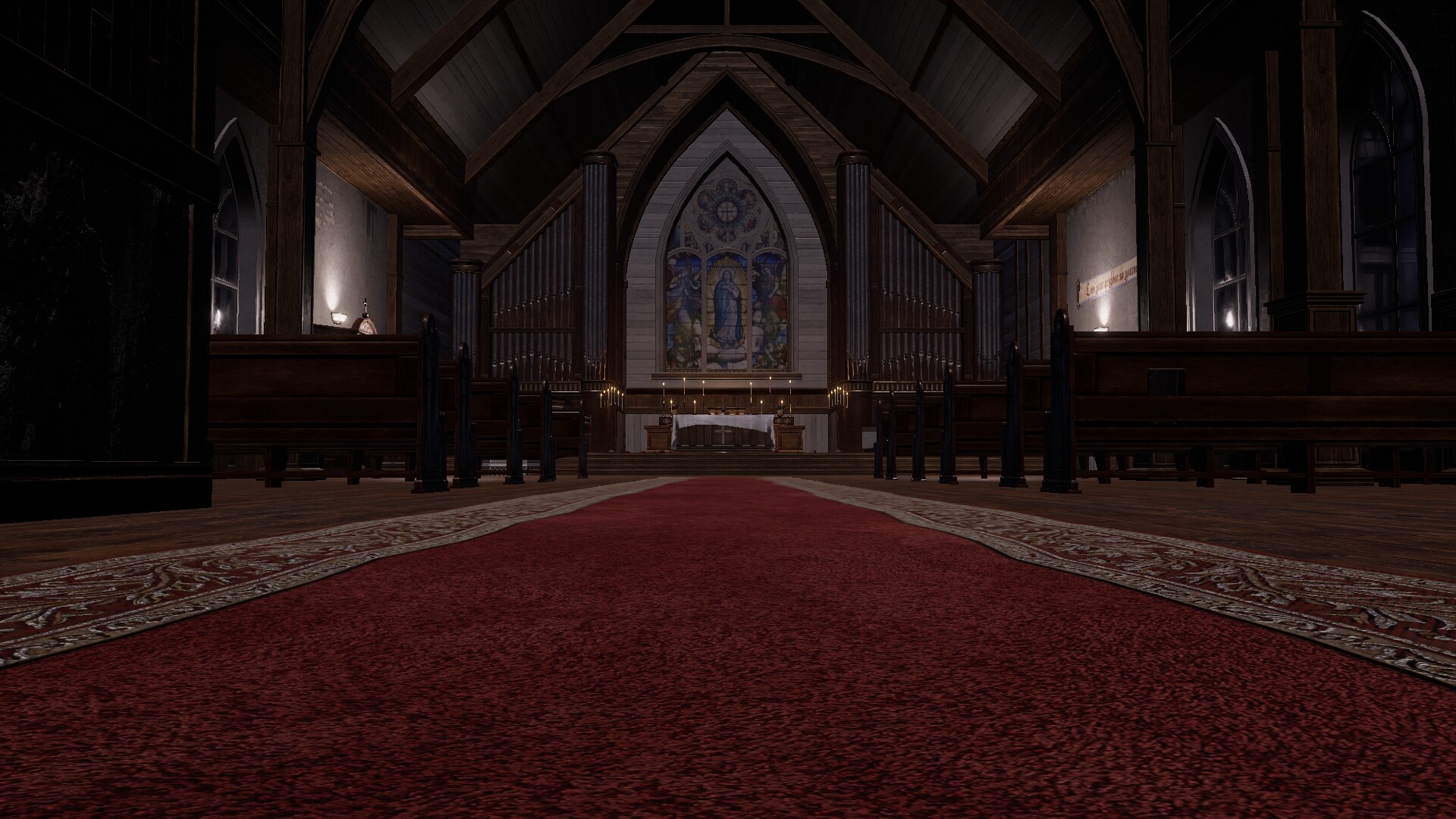
According to the Steam description, Jin has spent years searching for his missing sister. A lead brings him to a decaying mansion cut off from the grid; inside, rooms appear frozen in routine, identities stripped from personal effects, and secured systems waiting to be restored. Restoring power and unlocking safes reveals encrypted documents, suspicious transfers, and a trail that suggests the location was used for controlled, undocumented arrivals and departures.
That premise frames Trace of the Villa as a narrative puzzle experience that combines environmental storytelling with investigative mechanics: manifests, fragments of documents, and secured systems are the primary conduits for plot and progress rather than timed combat or action set-pieces.
When and where to play
Trace of the Villa launched on Steam on 28 May, 2026. It is available through the Steam PC storefront under AppID 3483660. Developer and publisher listed on Steam are Steadyturtle Co., Ltd.
How clue reading, object logic and story puzzles shape the experience
Trace of the Villa structures its flow around discovery and interpretation. Players reconstruct events by: locating physical clues (manifests, safes, locked systems), using contextual inference to connect disparate items, and solving layered puzzles that reveal further documentation or access. That sequence — observe, deduce, unlock — keeps the pace investigative rather than adrenaline-driven.
Object logic matters here: a discarded ledger entry can become a key to a ciphered safe; a restored circuit restores a surveillance log that reframes a prior assumption. Because the title emphasizes “restoring” the mansion’s systems and unearthing falsified identities, successful progress rewards careful note-taking and pattern recognition. The absence of timed input in the Steam categories reinforces a read-and-reflect design: puzzles are meant to be unrushed and mentally oriented.
Player scenarios — who will enjoy Trace of the Villa
- The detail-minded detective: You enjoy cataloguing clues, cross-referencing documents, and tracing financial or identity threads across rooms and safes.
- The slow-burn atmosphere fan: You prefer building dread through setting and revelation instead of scripted jump scares or combat encounters.
- The environmental storyteller: You like games where objects and their placement carry narrative weight and where reading a scene is as important as solving a lock.
How it differs from nearby puzzle-adventure titles
Trace of the Villa sits closer to story-rich investigative adventures than fast-paced puzzle action. Where a room-based escapist puzzler emphasizes mechanical interactivity, Trace of the Villa leans on document fragments, restored systems, and a central human mystery (Jin’s missing sister) to carry tension. Its Steam categories — single-player, playable without timed input, subtitle options — point to an accessible, contemplative PC experience.
Comparison with select puzzle/adventure games
| Title | Release | Primary genre | Puzzle focus | Atmosphere / pacing | Good for players who… |
|---|---|---|---|---|---|
| Trace of the Villa | 28 May, 2026 | Action / Adventure / Indie | Clue-driven investigation, object logic, system restoration | Mansion mystery; measured, investigative pacing | Prefer narrative puzzles and reading documents to active combat |
| The Room | 28 Jul, 2014 | Adventure / Indie | Mechanical, box-and-device puzzles with tactile object interaction | Claustrophobic, puzzle-focused; focused puzzle-scenario pacing | Like tactile, self-contained puzzle boxes and atmospheric tension |
| The Room Two | 5 Jul, 2016 | Adventure / Indie | Elaborate chained puzzles across discrete environments | Slow, mysterious; puzzle-led exploration across linked scenes | Enjoy layered device puzzles with a linear investigative thread |
| Escape Simulator | 19 Oct, 2021 | Adventure / Simulation / Indie | Highly interactive escape-room puzzles; physical object manipulation | Playful and tactile; room-by-room challenge pacing | Prefer interactive object physics, community rooms, and co-op options |
| Unpacking | 1 Nov, 2021 | Casual / Indie / Simulation | Puzzle as domestic placement; narrative revealed through objects | Zen, reflective; gentle, episodic pacing | Like mood-driven, non-confrontational storytelling via everyday items |
Notes: comparison fields use public release dates and broad genre/description signals. This table is editorial context to help decide fit, not a statement of superiority.

YouTube discovery
If you want to see trailers or gameplay videos, use this YouTube search path (search results may include trailers and player footage; a verified official video isn’t guaranteed by this link): Search Trace of the Villa on YouTube.
Deciding whether to wishlist
Wishlist Trace of the Villa if you prioritize narrative puzzle design, careful clue-reading, and atmospheric, document-driven investigation on PC. If you prefer fast action, physics-heavy object play, or cooperative escape rooms, the title’s paced, investigative approach may not match your tastes.
Steam link
Disclaimer
Referenced titles and trademarks belong to their respective owners. Comparisons are editorial discovery only, based on available Steam descriptions and public release information.
Leave a Reply