
Trace of the Villa — a slow-burn mansion mystery built on missing-person stakes
Trace of the Villa puts you in Jin’s shoes: a search for a missing sister that leads to a deliberately forgotten, decaying mansion full of erased identities and encrypted traces. The game leans into environmental storytelling, locked systems, and found documents that suggest the trail might still end in a person — not just a secret.

Who this is for
Players who prefer story-rich indie adventures where character motivation and missing-person stakes drive every discovery will want to pay attention. If you enjoy atmospheric mystery adventure on PC — slow-burn suspense, careful clue-gathering, and moments where a single recovered document reframes an entire room — Trace of the Villa is aimed squarely at that audience. The Steam listing also notes accessibility options that matter for narrative players: subtitle options, color alternatives, custom volume controls, and the ability to play without timed input.
What the game is
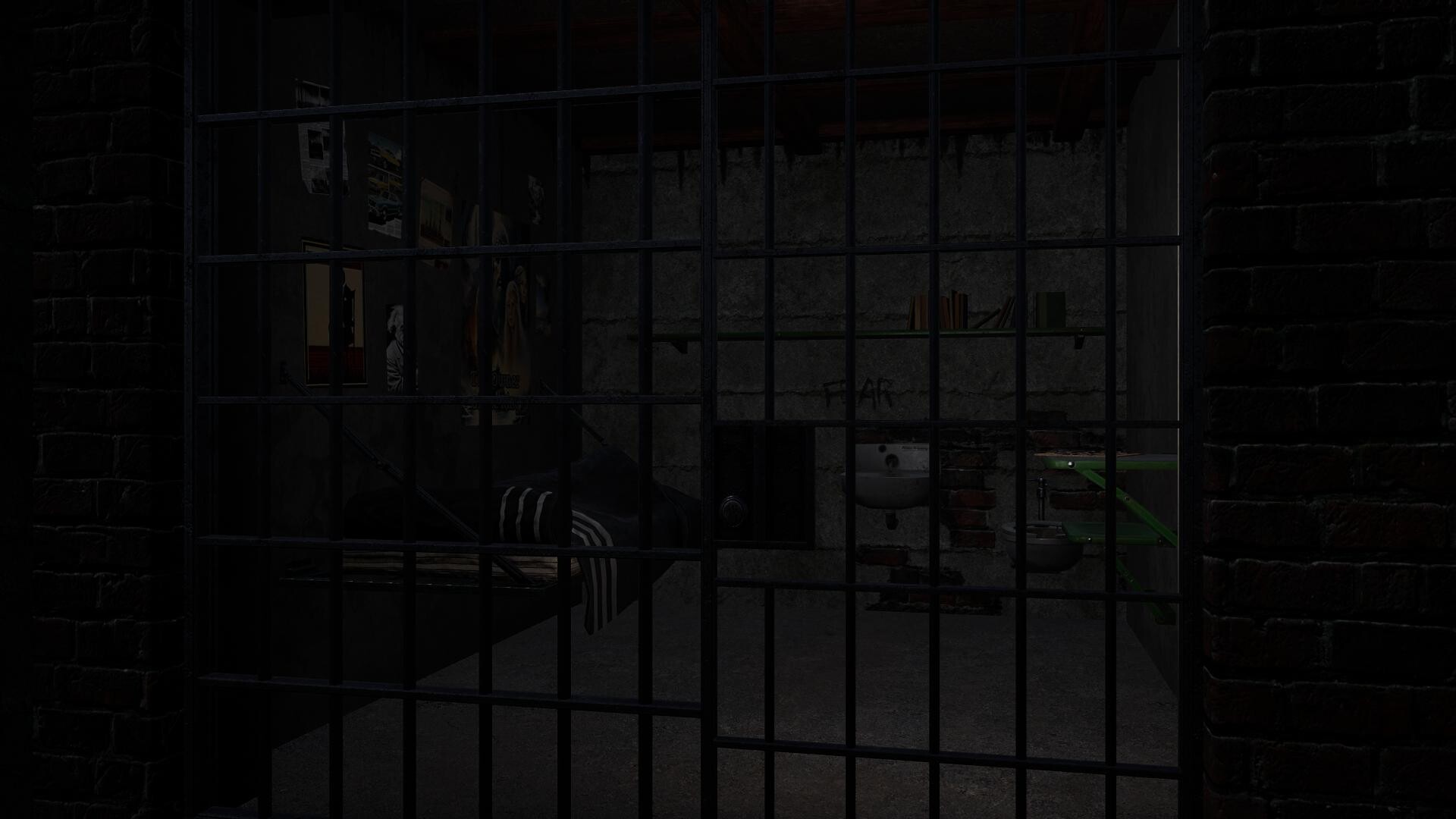
Trace of the Villa (developed and published by Steadyturtle Co., Ltd.) is presented on Steam as an Action / Adventure / Indie title in single-player form. Official text describes Jin’s long search for his missing sister, a lead to a remote mansion, and recovered manifests and hints that indicate his sister may still be alive somewhere at the end of the trail he is about to follow. The mansion’s interior is described as furnished yet stripped of names and photographs — identities removed — and the gameplay narrative explicitly ties investigation, restored systems, and decrypted fragments to uncovering a carefully concealed operation.
When and where
Trace of the Villa released on 28 May, 2026 and is listed on Steam for PC (store page available via the link below). The Steam page provides images, screenshots, and the official short description used throughout this piece.
Why the theme matters
Missing-person stakes change how a mystery feels: discovery is not an abstract puzzle but a potential lifeline for a real person. The official description emphasizes that what starts as an investigation quickly becomes personal — restored power brings secured systems online, safes yield encrypted fragments, and financial and identity traces point to a broader operation. That emphasis on identity, falsified records, and movement without witnesses gives the mansion a very specific narrative weight: you aren’t only solving curiosities, you’re following threads that could explain where people went and why they were erased.
How you read clues and progress
The Steam description lays out a clear clue loop: find evidence in rooms that feel “erased,” restore systems (power and secured devices), open hidden compartments and safes, and then translate the fragments you find — manifests, transfer records, or encrypted documents — into a timeline. Each solved puzzle or reactivated system unlocks another layer of the house’s operation rather than just a single gag or room reveal. Because identities have been removed from personal items, the investigative payoff relies on assembling documents and systems into coherent traces that point beyond the estate.

Compact facts
| Title | Trace of the Villa |
|---|---|
| Steam AppID | 3483660 |
| Release Date | 28 May, 2026 |
| Developer / Publisher | Steadyturtle Co., Ltd. |
| Genres | Action, Adventure, Indie |
| Key Categories | Single-player; Color Alternatives; Custom Volume Controls; Playable without Timed Input; Subtitle Options; Family Sharing |
| Short official premise | Jin has spent years searching for his missing sister, pursuing leads that took him to a remote, decaying mansion where he recovered manifests and hints that indicate his sister may still be alive, somewhere at the end of the trail he is about to follow. |
How it compares — editorial discovery
Below is a focused table to help readers decide whether Trace of the Villa matches their tastes, compared to a handful of narrative or mystery-led indie titles that often come up in player discussions. These comparisons are editorial and based on public descriptions of each title’s focus, tone, and exploration style.
| Game | Core focus | Narrative style / Tone | Puzzle / Exploration | Pacing | Who might prefer it |
|---|---|---|---|---|---|
| Trace of the Villa | Mansion investigation driven by missing-person stakes | Atmospheric, identity-erasure, conspiratorial | Document-driven puzzles, restored systems, hidden compartments | Slow-burn; investigation unfolds as systems come online | Players who want personal stakes tied to every clue and an investigative, environmental storytelling loop |
| Inscryption | Card-based odyssey mixing roguelike and escape-room elements | Dark, psychological horror with meta mysteries | Card mechanics that double as puzzles and narrative devices | Variable; punctuated by runs and meta reveals | Players who like mechanical puzzles embedded in a horror narrative and surprising structural twists |
| Outer Wilds | Open-world solar system mystery and exploration | Curious, wonder-driven, with a melancholic edge | Environmental puzzles solved by observation and experimentation | Exploratory, player-driven pacing | Players who favor emergent discovery, exploration over inventory puzzles, and non-linear storytelling |
| The Forgotten City | Narrative-driven time-loop adventure in an ancient setting | Ethical, investigative, and dialogue-led mystery | Puzzles tied to time-loop mechanics and conversation choices | Deliberate, with trial-and-error loop structure | Players who enjoy dialogic mysteries and mechanics that affect story outcomes |
| The Medium | Third-person psychological horror exploring dual realities | Haunting, trauma-tinged, psychological | Puzzle design that uses two realms to reveal connections | Steady, atmospheric; tension builds through exploration | Players who like horror atmospheres combined with story-led exploration and dual-world puzzles |
| Journey | Emotive exploration through a minimalist world | Poetic, contemplative, and non-verbal | Traversal and environmental discovery rather than document puzzles | Flowing and meditative | Players seeking emotional, non-linguistic exploration rather than detective-style investigation |
Player scenarios — who should wishlist this
- If you want motive-driven investigation: You care about why characters went missing and
Steam page
View Trace of the Villa on Steam
YouTube discovery
For trailer and gameplay discovery, use YouTube search rather than relying on unverified embeds: Find Trace of the Villa trailer and gameplay searches on YouTube.
Leave a Reply