
Trace of the Villa: where locked-room logic, clue chains, and environmental reading meet
Trace of the Villa is an atmospheric mystery adventure about Jin, who follows leads to a remote, decaying mansion and uncovers manifests and hints that his missing sister may still be alive. The structure of the game leans on locked doors, restored systems and layered puzzles that force players to read rooms, objects and financial traces as a single, unfolding clue-chain.

Quick facts
| Title | Trace of the Villa |
|---|---|
| Steam appid | 3483660 |
| Release date | 28 May, 2026 |
| Developer | Steadyturtle Co., Ltd. |
| Publisher | Steadyturtle Co., Ltd. |
| Genres | Action, Adventure, Indie |
| Categories | Single-player; Color Alternatives; Custom Volume Controls; Playable without Timed Input; Subtitle Options; Family Sharing |
What the game is (and how it stages its mysteries)
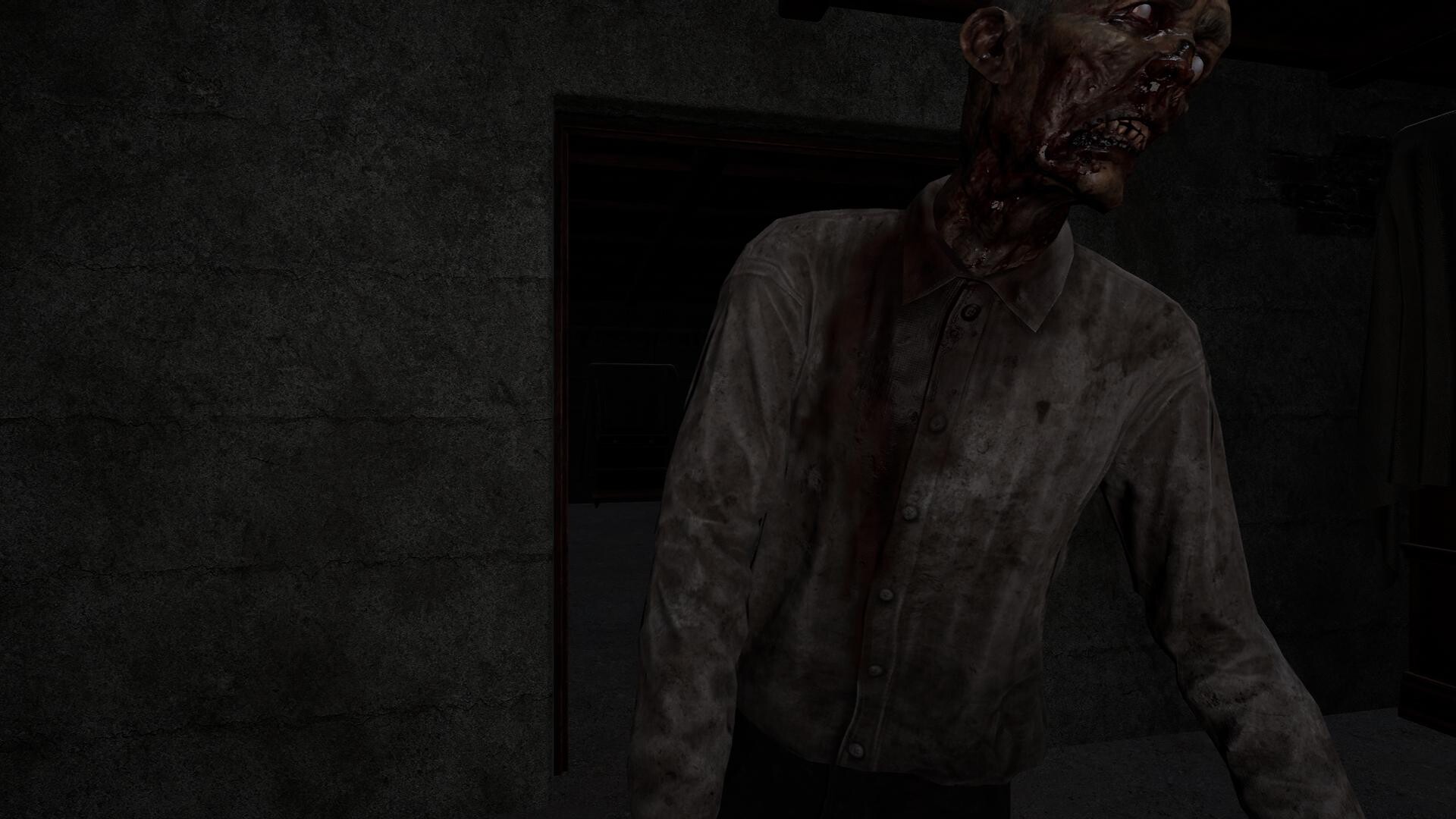
Official store text frames Trace of the Villa as a personal investigation: Jin arrives at a property “cut off from the grid,” where rooms appear preserved and identities seem erased. Progression is driven by restoring power and systems to the estate, which in turn unlocks compartments, safes and encrypted documents. Puzzle resolution reveals successive layers of a concealed operation — falsified identities, suspicious transfers and evidence of controlled movement — so the act of solving is also the act of contextualizing.
Who this is for
- Players who enjoy slow-burn, story-rich adventure and psychological investigation more than twitch reflexes.
- Fans of locked-room, mansion-mystery setups where reading the environment and chaining small discoveries into larger revelations is the core pleasure.
- People who prefer single-player narrative puzzlers with accessibility options (subtitles, play without timed input) and modest UI customization (custom volume controls, color alternatives).
When and where to get it
Trace of the Villa released on Steam on 28 May, 2026. It’s distributed by its developer, Steadyturtle Co., Ltd., on PC via the Steam store. If you want to follow or wishlist the game, use the Steam page link below.
How locked-room thinking, object clues and puzzle-chain momentum play out
The design described on the Steam page emphasizes two complementary reading skills: environmental reading and procedural decryption. Restoring power is a mechanical hook that turns the mansion into an information machine — each repaired subsystem yields logs, unlocked safes and encrypted fragments. Those fragments function like puzzle links: an unlocked safe offers a ledger, the ledger suggests a name or date, and that name or date becomes the key to locate another sealed space.
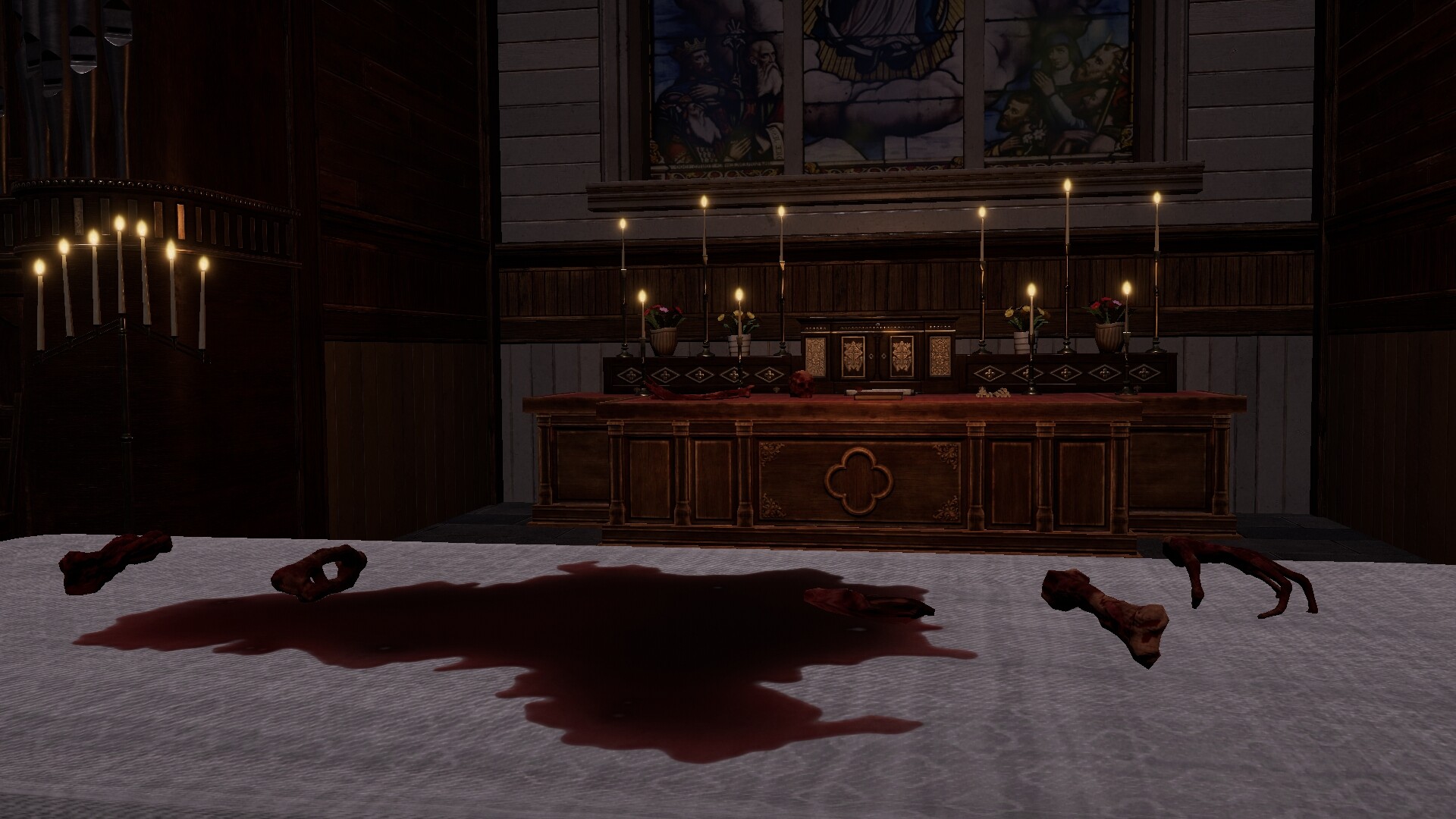
That structure encourages a particular rhythm. At first you inspect objects for stand-alone meaning — a manifest, a locked drawer, an electrical panel — then you start to treat those objects as nodes in a chain. Puzzle momentum comes from assembling nodes into a timeline: what happened in the house, how people moved through it, and how identities were masked. The mansion’s “erased” quality, as the official description puts it, rewards players who habitually map spaces and annotate discoveries rather than expecting puzzles to resolve in isolation.
Player scenarios — who should wishlist this now
- If you like methodical detective work: you’ll appreciate the way clues accumulate into a larger, evidence-driven narrative rather than being handed a plot cutscene-by-cutscene.
- If you enjoy tactile puzzle chains: the game’s unlocked safes, encrypted documents and restored systems create cascading rewards for careful observation and note-taking.
- If you want accessible pacing: the Steam categories list “Playable without Timed Input” and subtitle options, which suits players who prefer to puzzle at their own speed.
- If you prefer multiplayer or sandbox construction: this is primarily a single-player, story-led experience rather than a community editor or co-op oriented puzzler.
How it compares — quick editorial table
| Title | Core puzzle focus | Atmosphere / tone | Player fit |
|---|---|---|---|
| The Room | Single-room, tactile safes and mechanical puzzles | Mysterious, intimate, focused on a single ornate object | Players who like concentrated, object-based puzzling in short, intense sequences |
| The Room Two | Expanded mechanical puzzles across linked environments | Cryptic, exploratory, puzzle-driven narrative | Those who enjoyed The Room and want broader environmental progression |
| Escape Simulator | Highly interactive escape rooms; physics-based object interaction; community rooms | Playful to tense depending on room; emphasis on interaction and experimentation | Players who want sandbox-like interaction, editors and co-op options rather than a tightly authored narrative |
Why the theme and design matter
Trace of the Villa’s premise — a property that appears “less abandoned than erased” — makes environmental storytelling itself a puzzle. Thematically, the game links institutional concealment (falsified identities, suspicious transfers) to the micro-puzzles you solve, so each solved puzzle feels like an investigative step rather than merely a gate. For players who value atmosphere and narrative puzzle design, that connective tissue is the main reward.
YouTube discovery
If you want to see trailers or gameplay videos, search for Trace of the Villa on YouTube: YouTube search: Trace of the Villa trailer & gameplay. This is a discovery path; verify any video’s provenance if you need an official trailer.
Steam page: Trace of the Villa on Steam
Referenced titles and trademarks belong to their respective owners. Comparisons in this article are editorial discovery only, based on publicly available store descriptions.
Leave a Reply