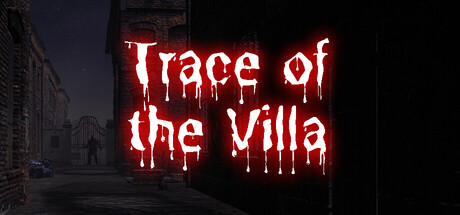
Trace of the Villa: When Puzzles Act as Forensic Evidence
Trace of the Villa (Steadyturtle Co., Ltd.) pitches a slow-burn, clue-driven investigation inside a remote, decaying mansion where Jin follows traces that may lead to his missing sister. The game’s puzzles are framed as recovered manifests, encrypted documents and locked systems—mechanics designed to reveal story evidence rather than hand you a finished explanation.

Who should consider wishlisting Trace of the Villa?
If you prefer atmospheric mystery adventure on PC — slow pacing, environmental storytelling and puzzle mechanics that double as evidence-gathering — this is aimed at you. The game is presented as an action/adventure indie on Steam with single-player support and accessibility options like subtitle options, color alternatives, and no timed-input requirements; those features make it appealing to players who like to read, examine, and interpret without pressure.
What the game is, in plain terms
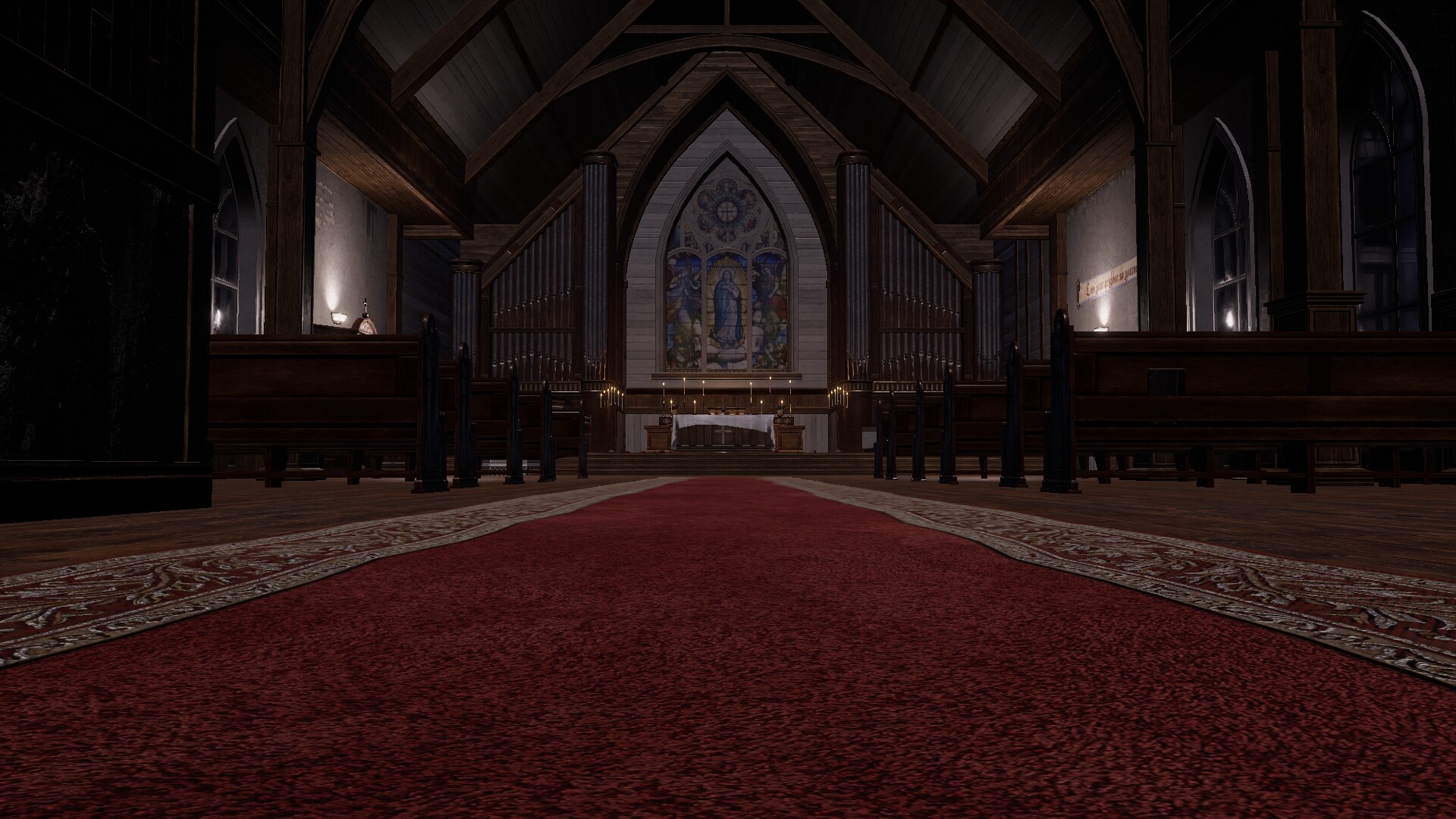
Trace of the Villa casts you as Jin, a protagonist who has spent years searching for his missing sister. A lead takes him to a mansion cut off from the grid where signs of past occupancy feel “erased.” According to the Steam listing, restoring power and solving secured puzzles brings locked compartments, safes and fragments of encrypted documents back into view—each solved puzzle exposes further layers of a concealed operation and the trail Jin follows.

When and where
Trace of the Villa released on 28 May, 2026 and is available on Steam for PC. The product page lists Steadyturtle Co., Ltd. as both developer and publisher and categorizes the game under Action, Adventure, and Indie with single-player and several accessibility/quality-of-life tags.
Why this mansion mystery matters
The Steam description frames the mansion as altered to remove names and identities, so puzzles aren’t just mechanical obstacles—they’re the primary means of reconstructing what happened. That design choice positions clue reading and object logic as storytelling tools: you don’t just beat a safe to progress, you uncover a fragment that recontextualizes previous clues.
How puzzles reveal story evidence without spoiling the plot
Based on the official Steam listing, Trace of the Villa structures progression around recovering manifests, encrypted fragments and secured systems. Here are the design behaviors to expect and why they preserve mystery while delivering evidence:
- Clue reading as primary interaction: Documents and manifests act like witness statements—partial, ambiguous, and tied to location. Reading them yields facts that point to new objectives, not full explanations.
- Object logic enforces inference: Items in rooms are presented as purposeful absences or anomalies; their arrangement prompts players to draw connections rather than receive exposition.
- Story puzzles unlock new evidence: Restoring power or opening safes doesn’t hand you the ending; it reveals additional fragments—encrypted docs, transfer records and manifests—that expand the timeline and raise new questions.
- Puzzle layering maintains suspense: Each solved mechanic is framed as an investigative step. That pacing allows the narrative to emerge gradually, preserving big reveals for those moments when evidence points strongly in one direction.
Specific player scenarios — who will enjoy which parts
- The meticulous reader: You love inventorying clues, cross-referencing notes and following faint leads. Trace of the Villa’s manifest-and-document structure gives you material to analyze and piece together over multiple sessions.
- The atmospheric explorer: You prioritize environment and tone over fast action. The decaying mansion set-up and its “erased” identities create a psychological investigation that rewards slow observation.
- The puzzle-first player: You want puzzles that are meaningful rather than ornamental. Expect mechanics that open new narrative layers—encrypted fragments, safes and secured systems that function as narrative beats.
Compact facts — Trace of the Villa
| Title | Trace of the Villa |
|---|---|
| Steam AppID | 3483660 |
| Release Date | 28 May, 2026 |
| Developer / Publisher | Steadyturtle Co., Ltd. |
| Genres | Action, Adventure, Indie |
| Key Categories | Single-player; Color Alternatives; Custom Volume Controls; Playable without Timed Input; Subtitle Options; Family Sharing |
How Trace of the Villa compares to nearby puzzle-adventure experiences
Below is an editorial comparison based on genre, atmosphere, puzzle focus, exploration style and pacing using publicly available descriptions of each title.
| Title | Genre / Tone | Puzzle Focus | Exploration Style | Player fit |
|---|---|---|---|---|
| Trace of the Villa | Action / Adventure / Indie — mansion mystery, psychological investigation | Clue-reading, document fragments, secured systems and safes as narrative devices | Slow, environmental; puzzles reveal additional narrative layers | Players who value evidence-driven story and atmosphere |
| The Room | Adventure / Indie — isolated, tactile mystery | Mechanical safes and tactile puzzles that feel like investigating an artifact | Contained, single-room-to-room progression | Players who enjoy handcrafted mechanical puzzles and focused tactile problem-solving |
| The Room Two | Adventure / Indie — extended cryptic environments | Layered mechanical puzzles with a strong sense of set-piece mystery | Progressive, with varied locales and set-piece puzzle reveals | Players who want a broader, atmospheric puzzle tour across distinct scenes |
| Escape Simulator | Adventure / Casual / Indie — interactive escape-room play | Highly interactive object manipulation, physics and room-sized puzzles | Room-by-room, community-made variety and high interactivity | Fans of physical puzzle interactions and social/creative escape-room design |
| Unpacking | Casual / Indie — zen, domestic storytelling | Implicit narrative through object placement rather than explicit riddles | Quiet domestic spaces, puzzle as fitting/placement | Players who prefer slow, slice-of-life revelation from objects rather than explicit encryption or safes |
YouTube discovery
For trailers and gameplay clips, search results can be found here: Trace of the Villa — YouTube search. This link is provided as a discovery path; it does not verify a specific official video.
Decision checklist — should you wishlist it?
- Wishlist if you want a story that’s revealed through itemized evidence (manifests, transfer records, encrypted fragments).
- Wishlist if you prefer no timed-input constraints and want accessibility options like subtitles and color alternatives.
- Skip or wait if you prefer fast-paced action or fully explicit narrative delivery rather than patient inference.
Leave a Reply