
Trace of the Villa — an escape-room style mansion mystery where power, locks, and evidence chains steer the investigation
Trace of the Villa puts you in Jin’s shoes: years of searching for a missing sister lead to a remote, decaying mansion where recovered manifests and hints suggest she may still be alive. The game opens when Jin restores power to the estate, and that act of restoration is the central gameplay engine — systems reactivate, compartments unlock, and fragments of a falsified past begin to assemble into a trail.
Who this is for
If you read games by architecture and wiring — following powered consoles, flickered light, and the unlocking of doors as narrative beats — Trace of the Villa is targeted at players who favor atmospheric mystery adventure and clue-driven exploration over combat spectacle. Fans of slow-burn suspense and environmental storytelling who enjoy piecing timelines together from scattered documents, safes, and reactivated systems will find its pacing and tone familiar.
What the game is
Trace of the Villa is an Action / Adventure / Indie title from Steadyturtle Co., Ltd. The official Steam description frames it as a story-rich investigation: Jin arrives at a property “cut off from the grid and deliberately forgotten.” Rooms look as if occupants vanished mid-routine; identities feel removed. When Jin restores power, secured systems come back online and hidden compartments unlock, revealing encrypted documents, suspicious transfers, and a pattern of arrivals and departures that were deliberately erased.
When and where
Trace of the Villa released on 28 May, 2026 and is available on Steam. The Steam store entry lists Steadyturtle Co., Ltd. as both developer and publisher and categorizes the game as Single-player with accessibility and settings options such as Color Alternatives, Custom Volume Controls, Playable without Timed Input, Subtitle Options, and Family Sharing.
Why the theme matters
Thematically, the game centers on restoration as a mechanic and metaphor: turning the lights back on is both a means to solve puzzles and a narrative gesture that reveals a deliberately erased history. Restoring power literally reanimates the environment — locked systems, safes, and encrypted files — which frames investigation as a layered, forensic process. For players attracted to psychological investigation and mansion mystery atmospheres, that framing makes each solved circuit or reopened door feel like assembling a judicial file rather than just clearing a level.
How the gameplay loop works — restoring power, unlocking spaces, reconstructing evidence
The official description lays out the loop plainly: restore power → secured systems reactivate → hidden compartments and safes become accessible → retrieve fragments (manifests, encrypted documents, transfer records) → use those fragments to unlock the next area or decrypt the next lead. That chain creates layered clue-driven gameplay rather than isolated puzzles. Each reactivated device can both be a puzzle (how do you power it, reroute it, or decode its output?) and an expositional device that adds texture and context to the mansion’s erased past.
Player scenarios — which sessions suit different players
- One-session mystery seekers: Play in a focused 90–120 minute sitting to follow one power-restoration thread end-to-end, collecting a dossier of evidence. The slow-burn atmosphere rewards uninterrupted attention.
- Explorers of environmental detail: Players who enjoy reading receipts, manifests, and layout logic to infer off-screen events will appreciate the way the house’s furnishings and reactivated systems imply unseen lives.
- Puzzle-first players: If you prefer tightly constrained escape-room puzzles, expect chained systems and multi-step problem solving that use wiring, powered consoles, and safes as interlocking elements rather than single-object puzzles.
- Accessibility-conscious players: The Steam page lists subtitle options, custom volume controls, and the ability to play without timed input — useful if you like to treat investigation as methodical reconstruction rather than reflex tests.
Visuals from the Steam page


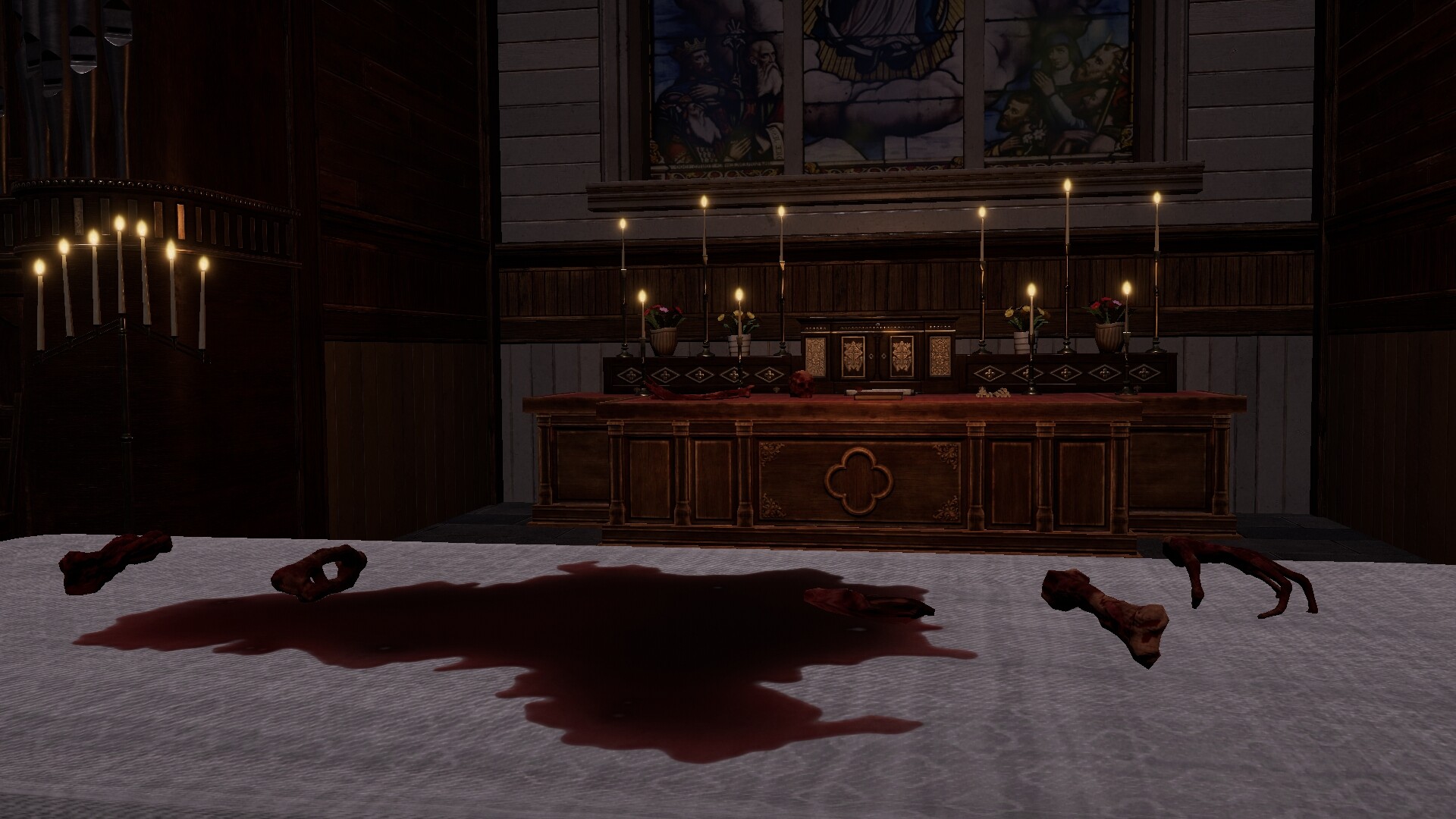
Quick facts
| Title | Trace of the Villa |
|---|---|
| Developer | Steadyturtle Co., Ltd. |
| Publisher | Steadyturtle Co., Ltd. |
| Release date | 28 May, 2026 |
| Genres | Action, Adventure, Indie |
| Steam categories | Single-player; Color Alternatives; Custom Volume Controls; Playable without Timed Input; Subtitle Options; Family Sharing |
| Steam store | View Trace of the Villa on Steam |
How it compares (editorial discovery)
Below is a compact editorial comparison on lawful criteria: genre, atmosphere, puzzle focus, exploration style, story tone, and pacing. This is not a claim of superiority, only a quick mapping to help you decide which of these styles you prefer.
| Title | Genre / Core | Atmosphere & Story Tone | Puzzle / Exploration Focus | Pacing |
|---|---|---|---|---|
| Trace of the Villa | Action / Adventure / Indie | Mansion mystery; erased identities; forensic, slow-burn | Clue chains, reactivating systems, locked areas unlocking as progression | Methodical, investigative |
| The Room | Adventure / Indie | Isolated, tactile mystery centered on a single lockbox environment | Mechanical puzzles, object manipulation (cast-iron safe focus) | Focused puzzle set pieces |
| The Room Two | Adventure / Indie | Crypt-like, immersive and mysterious | Layered mechanical puzzles and atmospherics | Sequential puzzle chapters |
| Escape Simulator | Adventure / Simulation / Indie | Playful, room-by-room escape design; community rooms vary tone | Highly interactive objects and room design, cooperative options | Variable — designed for shorter room play sessions |
| Hi-Fi RUSH | Action | High-energy, music-driven tone — not mystery-focused | Combat and rhythmic interactions rather than clue-based puzzles | Fast, arcadey |
Where to see trailers or gameplay
If you want to search for official trailers or gameplay videos, use this YouTube discovery link (search results for Trace of the Villa trailer/gameplay):
YouTube discovery
For trailer and gameplay discovery, use YouTube search rather than relying on unverified embeds: Find Trace of the Villa trailer and gameplay searches on YouTube.
Leave a Reply