
Trace of the Villa: a mansion mystery built around clue-reading and object logic
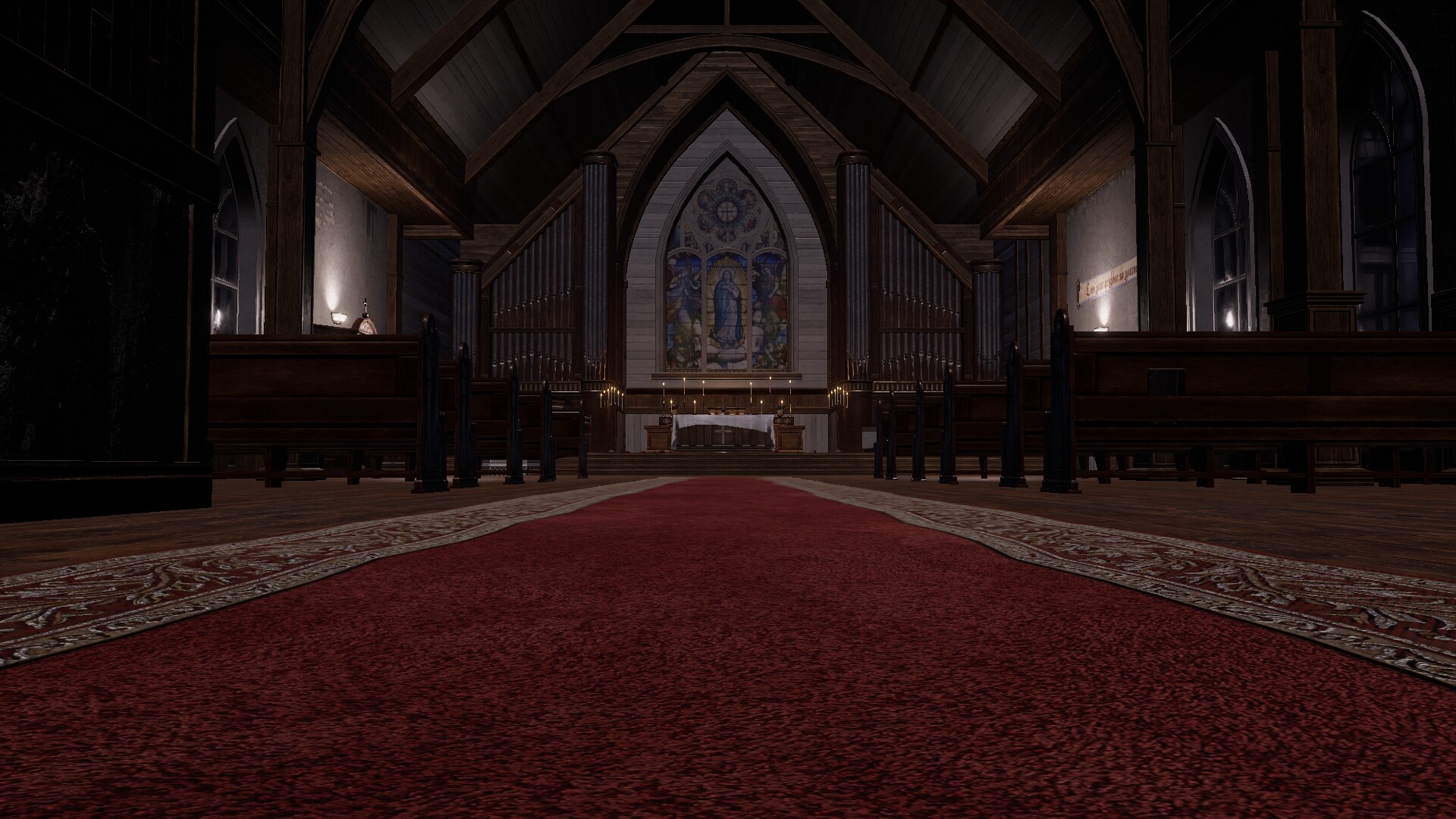
Trace of the Villa centers on Jin, a man who’s followed every cold lead to a remote, decaying mansion and recovered manifests and hints suggesting his missing sister may still be alive. Released on 28 May, 2026 by Steadyturtle Co., Ltd., the Steam listing frames this as a narrative-led investigation where environmental detail, restored systems and fragments of encrypted documents drive progression.

Quick facts
| Title | Trace of the Villa |
|---|---|
| Release date | 28 May, 2026 |
| Developer / Publisher | Steadyturtle Co., Ltd. |
| Genres | Action, Adventure, Indie |
| Steam categories | Single-player; Color Alternatives; Custom Volume Controls; Playable without Timed Input; Subtitle Options; Family Sharing |
| Premise | Jin searches a remote mansion for signs that his missing sister may still be alive, recovering manifests and hints that open new leads. |
| Steam page | Open Trace of the Villa on Steam (appid: 3483660) |
Who this is for
If you prize atmospheric mystery adventure and want puzzle design that leans on reading context rather than quick reflexes, Trace of the Villa is aimed at that audience. The Steam listing highlights categories such as “Playable without Timed Input” and “Subtitle Options”—indicators that it’s pitched toward players who prefer methodical investigation and accessibility options that support slow, careful play. Fans of environmental storytelling, psychological investigation, and narrative puzzle adventures will recognize the cues: a mansion that feels “less abandoned than erased,” personal artifacts arranged to imply missing histories, and encrypted documents that require interpretation.
What the game is — story puzzles and object logic
The official short description and store blurb set expectations: Jin recovers manifests and hints in a cut-off estate; when he restores power, secured systems come back online, hidden compartments open, and safes yield fragments of encrypted documents and suspicious transfer records. That sequence—find traces, restore systems, unlock another layer of documents—suggests a puzzle loop where clue-reading, object logic and the environment feed the narrative. Solve one set of puzzles and you gain tools or information that let you interrogate the house’s next secret. The story is progressive: evidence reveals a pattern of falsified identities and arrivals without records rather than straightforward action beats.
When and where — Steam context
Trace of the Villa released on Steam on 28 May, 2026. It’s listed as a single-player PC title and carries tags and categories that emphasize accessibility and a focus on reading and exploration rather than timed twitch gameplay.
Why the theme matters — what the narrative puzzle approach buys you
There are two linked payoffs in a narrative puzzle adventure like this. First, clue-driven progression makes storytelling procedural: each object you inspect or system you reactivate becomes a storyteller. The official blurb emphasizes restored systems and fragments of encrypted paperwork—mechanics that convert environmental detail into plot. Second, the mansion-as-system conceit lets designers hide meaning in non-verbal artifacts (manifests, transfer records) rather than rely only on NPCs or cutscenes. For players who enjoy assembling timelines and inferring motives from documents and placement, that structure rewards patience and careful note-taking.
How you read clues and progress
- Search and recover: the short description explicitly mentions manifests and hints recovered from the mansion. These are the primary signposts that unlock further investigation.
- Restore and reactivate: the official description states that when Jin restores power, secured systems come back online and hidden compartments unlock—an explicit gameplay loop where interacting with infrastructure opens new puzzle types.
- Interpret fragments: safes and encrypted documents provide partial data—suspicious transfer records and falsified identities—so progression is partly decoding context, not only object manipulation.
Together, these elements suggest a layered experience where object logic (how items fit together, what system needs power) and story puzzles (what the documents imply about people who used the house) combine to drive forward momentum.

Player-fit scenarios
- If you keep a notebook while you play: You’ll likely appreciate how manifiests, transfer records and partial data require cross-referencing. Trace of the Villa rewards a player who tracks leads across rooms and systems.
- If you prefer environmental storytelling to explicit exposition: The mansion is described as “erased” of identities—players who enjoy reading the scene and inferring backstory from objects will find that design appealing.
- If you need accessibility options: The Steam page lists “Playable without Timed Input,” “Subtitle Options,” and “Custom Volume Controls,” signaling the developer’s attention to different playstyles and comfort needs.
- If you want nonstop action: The listing emphasizes investigation and layered clues rather than rapid combat or timed reflex puzzles; players seeking high-octane action may find this a slower, more contemplative pace.
How Trace of the Villa compares (editorial discovery)
Below is a compact, objective comparison with other narrative/puzzle-oriented titles, focusing on puzzle focus, atmosphere and pacing. These comparisons are editorial: they highlight differences in design emphasis, not value judgments.
| Title | Core puzzle style | Atmosphere / story tone | Exploration / pacing | Player fit |
|---|---|---|---|---|
| The Room | Mechanical, tactile puzzle boxes and object investigation | Mysterious, singular-room occult intrigue | Focused, segmented escape-room pacing | Players who love hands-on object puzzles and concentrated set-pieces |
| The Room Two | Expanded tactile puzzles across interconnected scenes | Broader, cryptic exploration with a similar tense curiosity | Sequential chapter-like progression | Fans of progressively unfolding mechanical mysteries |
| Unpacking | Everyday object logic, non-verbal life-story clues | Quiet, domestic and reflective | Relaxed, zen-like pacing focused on placement and inference | Players who enjoy slow, narrative-driven object puzzles and implicit storytelling |
| Escape Simulator | Highly interactive escape rooms with many physics interactions | Varied tones depending on room creator; playful to tense | Room-by-room bursts of focused puzzle solving; supports co-op | Players who want tactile interaction and community-made variety |
| Trace of the Villa | Clue reading, system reactivation, document fragments and safes | Slow-burn mansion mystery with erased identities and institutional questions | Layered exploration where restoring systems unlocks further investigation | Players who prefer narrative puzzle adventures and environmental detective work |
YouTube discovery
If you want footage, search for trailers and gameplay using this query: Trace of the Villa trailer & gameplay on YouTube. That link is a general search path
Leave a Reply