
Trace of the Villa: What mystery-minded players will want from Jin’s search
Trace of the Villa puts you in Jin’s shoes as he follows a cold lead to a remote, deliberately forgotten mansion—recovering manifests and encrypted fragments that suggest his missing sister might still be alive. Developed and published by Steadyturtle Co., Ltd., the Action/Adventure/Indie title launched on Steam on 28 May, 2026 and centers on clue-driven exploration inside a house that feels “erased” rather than abandoned.

Who this is for
If you prize atmospheric mystery adventure and slow-burn suspense, Trace of the Villa is aimed at players who want narrative curiosity to drive exploration. This is for those who enjoy piecing together a story from environmental breadcrumbs—manifests, locked safes, restored systems and falsified identities—rather than a constant stream of exposition. The Steam tags and categories confirm a single-player, story-focused experience that supports accessibility options such as subtitle options, color alternatives, and custom volume controls.
What the game is (official premise)
Officially: Jin has been searching for his missing sister for years. A new lead points him to a decaying mansion cut off from the grid with no recent records or ownership—yet the house shows clear signs of past occupancy and things left in mid‑routine. When Jin restores power, the estate begins to reveal hidden compartments, encrypted documents, suspicious transfer records and other fragments that expose a carefully concealed operation. The tone is investigative and psychological, with an emphasis on uncovering an erasure of identity and movement masked behind falsified records.
When and where
Trace of the Villa released on Steam on 28 May, 2026. It is listed under Action, Adventure, Indie on its Steam page and carries single-player and accessibility categories (Color Alternatives, Custom Volume Controls, Playable without Timed Input, Subtitle Options, Family Sharing).
Why this theme matters
The core theme—people moved and identities removed—targets a very specific kind of narrative curiosity: players who want to feel the slow accumulating dread of an already-silent crime scene and the intellectual satisfaction of reassembling what was intentionally broken. The mansion setting amplifies emotional stakes: every recovered manifest or encrypted fragment carries the possibility of hope (a sister still alive) and the threat of discovering how wide the operation runs. That tension—personal stakes against a deliberately scrubbed history—is the game’s narrative hook.
How you read clues and progress
According to Steam’s official description, progression is tied to investigation. Restoring power and secured systems brings locked doors, hidden compartments, and safes into play; solving those puzzles yields fragments of manifests, encrypted documents, and transfer records. Each resolved puzzle lifts another layer of concealment and further narrows the timeline Jin must reconstruct. The game’s focus is on environmental storytelling and document-driven evidence rather than explicit combat or multiplayer confrontation—consistent with its single-player categorization.
Player scenarios — decide if it fits your taste
- The investigation-first player: You want to read every document, test every system, and compile a timeline from scraps. The emotional reward comes from assembly—knowing how pieces fit together rather than seeing answers handed to you.
- The narrative-stakes player: You care about what discovery costs the protagonist. Jin’s missing sister is a personal through-line that turns each clue into an emotional decision—keep digging, or step back when answers start to threaten you.
- The atmospheric explorer: You favor moody spaces where the world itself tells a story—rooms frozen mid‑routine, absent photographs, and the feeling of an identity intentionally scrubbed from history.

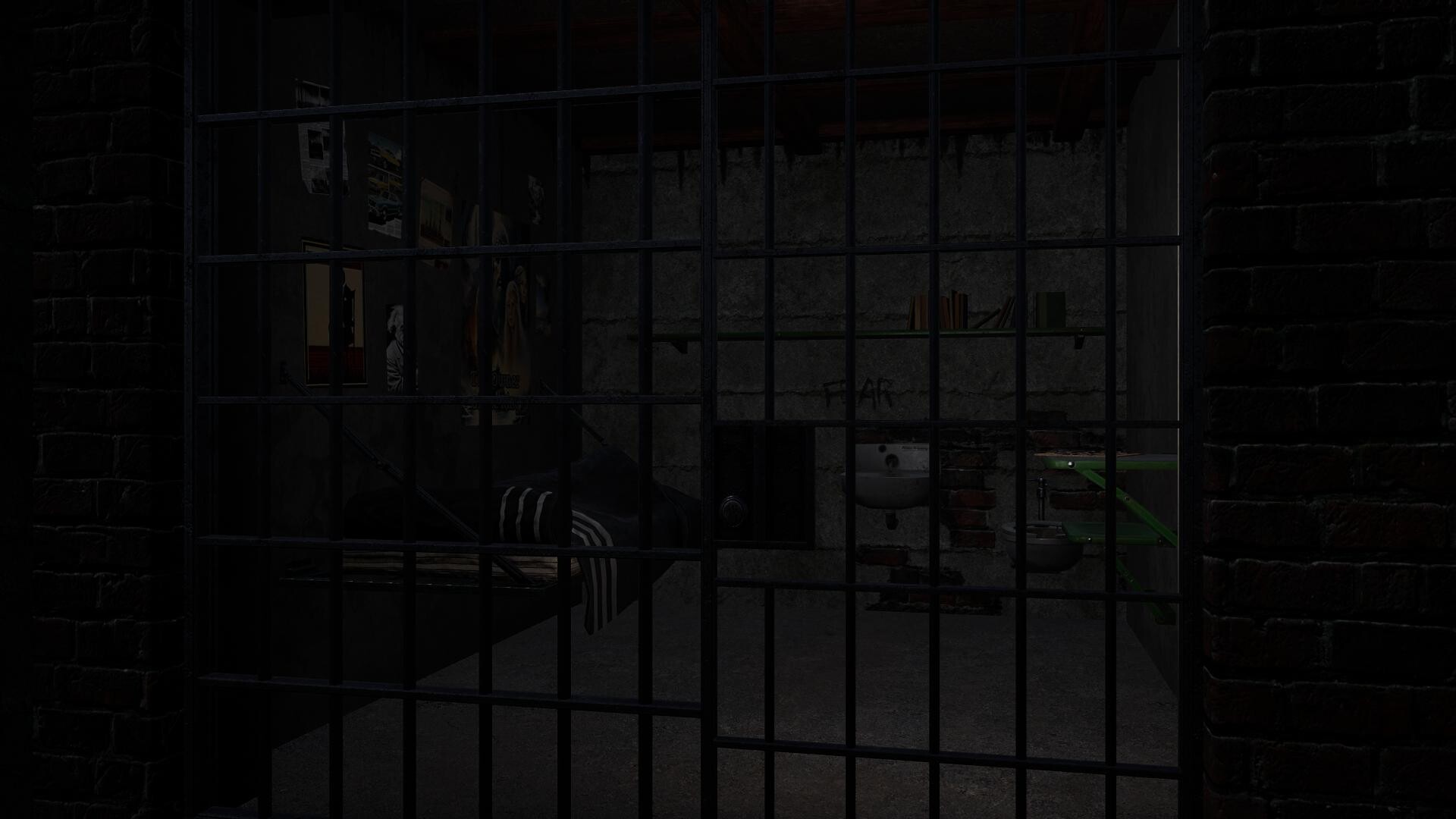
Compact facts: Trace of the Villa
| Title | Trace of the Villa |
|---|---|
| Steam AppID | 3483660 |
| Developer | Steadyturtle Co., Ltd. |
| Publisher | Steadyturtle Co., Ltd. |
| Release Date | 28 May, 2026 |
| Genres | Action, Adventure, Indie |
| Key Categories | Single-player; Color Alternatives; Custom Volume Controls; Playable without Timed Input; Subtitle Options; Family Sharing |
| Short Description | Jin searches a remote, decaying mansion and recovers manifests and hints that indicate his sister may still be alive, somewhere at the end of the trail he is about to follow. |
How Trace of the Villa compares to nearby story-rich mysteries
Below is a compact editorial comparison on lawful criteria—genre, atmosphere, puzzle focus, exploration style, story tone and pacing—so you can decide which experience aligns with your preferences.
| Title | Genre / Focus | Atmosphere / Tone | Puzzle & Exploration | Pacing / Player Fit |
|---|---|---|---|---|
| Trace of the Villa | Action / Adventure / Indie — investigative mansion | Slow-burn, claustrophobic, erased identities | Document fragments, locked systems, environmental puzzles | For players who like methodical clue assembly and personal stakes |
| Inscryption | Adventure / Indie / Strategy — card-driven mystery | Inky, surreal, psychological horror | Card-based puzzles blended with escape-room mechanics | For players seeking meta-narrative twists and mechanical surprises |
| Outer Wilds | Action / Adventure — open-world cosmic mystery | Curious, wonder-driven, melancholic | Exploration-driven discovery across a solar system; player-built timelines | For explorers who enjoy emergent narrative from environmental clues |
| Journey | Adventure / Indie — atmospheric exploration | Poetic, contemplative, minimalist | Environmental storytelling with little explicit puzzle solving | For players who prioritize mood, flow and non-verbal narrative |
| The Forgotten City | Adventure / Indie / RPG — narrative mystery with time mechanics | Moral, investigative, consequential | Choice and timeline manipulation to test hypotheses | For narrative-first players who like moral stakes and puzzle concepts |
| The Medium | Adventure — psychological investigation | Dual-realm, eerie, trauma-focused | Puzzles woven through two parallel realities | For players who enjoy psychological themes and dual-reality mechanics |
YouTube discovery
Looking for a trailer or gameplay footage? Search YouTube for Trace of the Villa trailer/gameplay (useful for seeing tone and pacing
Steam page
View Trace of the Villa on Steam
YouTube discovery
For trailer and gameplay discovery, use YouTube search rather than relying on unverified embeds: Find Trace of the Villa trailer and gameplay searches on YouTube.
Leave a Reply