
Trace of the Villa: a premise-first guide for players who want story context without spoilers
Trace of the Villa drops you into a focused, investigative mystery: Jin follows a trail that leads to a remote, decaying mansion where recovered manifests and hints suggest his missing sister may still be alive. The game leans on environmental storytelling, locked-away records, and the slow unspooling of concealed systems rather than punchy reveals—so this guide explains who will enjoy that kind of narrative curiosity and how the game asks you to read its clues, without spoiling the trail itself.

Quick facts
| Title | Trace of the Villa |
|---|---|
| Developer / Publisher | Steadyturtle Co., Ltd. |
| Release date | 28 May, 2026 |
| Genres | Action, Adventure, Indie |
| Steam categories | Single-player, Color Alternatives, Custom Volume Controls, Playable without Timed Input, Subtitle Options, Family Sharing |
| Store page | Trace of the Villa on Steam |
Who is this for?
Players who enjoy atmospheric mystery adventure with an investigative focus should be interested—especially if you prefer slow-burn suspense, methodical clue-gathering, and environmental storytelling over jump-scare horror or action spectacle. If you like piecing together motives and timelines from objects, manifests, and encrypted fragments, this is aimed at that disposition.
What the game is (without spoilers)
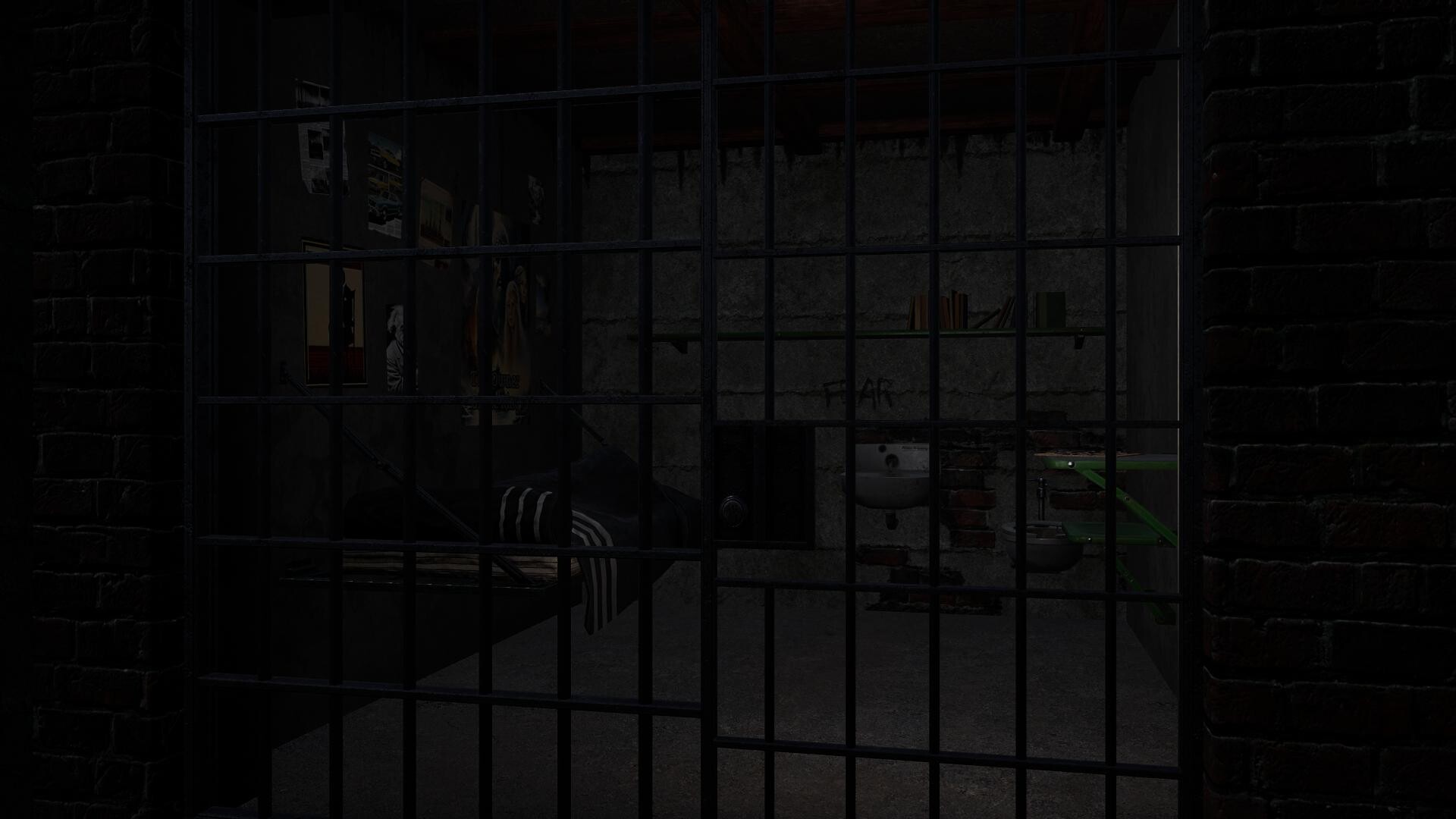
Officially, Trace of the Villa follows Jin, a searcher whose leads take him to a disconnected mansion. Inside are recovered manifests and hints suggesting Jin’s sister may still be alive somewhere down the trail he follows. The mansion itself feels less abandoned than erased: furnished rooms with missing identifiers, locked doors, and secured systems that, when restored, begin to reveal hidden compartments, safes, encrypted documents, and suspicious transfer records. The narrative frames these discoveries as layers of a concealed operation—financial trails, falsified identities, and people who moved through the estate under strict control.
When and where you can play it
Trace of the Villa released on 28 May, 2026 and is available on Steam for PC. The Steam page lists the developer and publisher as Steadyturtle Co., Ltd. and shows standard accessibility/support options such as subtitle options and playability without timed input.
Why the thematic focus matters
This game trades explicit exposition for fragments: manifests, transfer records, and encrypted files are the building blocks of the story. That means the emotional beats come from reconstructing absence—who lived here, who erased their traces, and what the trail implies about Jin’s sister. For players who value investigative pacing and atmosphere, that approach rewards careful note-taking and attention to small environmental details.
How you read clues and progress
- Investigation is primarily environmental: restored power and reactivated systems unlock new evidence, and solving interior obstacles reveals further documents and locked records.
- Puzzles and locked containers are narrative devices—safes, hidden compartments, and secured systems yield fragments such as encrypted documents and suspicious transfer records that extend the timeline.
- Progress feels cumulative: each recovered manifest or decrypted fragment reframes prior discoveries and points to other locations or lines of inquiry inside the mansion.

Player scenarios: who should wishlist it
- If you like methodical detective work and follow-the-clue mysteries (think careful inventorying and cross-referencing manifests), add this to your wishlist.
- If you prefer fast-paced action or a narrative spoon-fed through NPC chatter, this may feel too slow; the game emphasizes evidence uncovered in place and time rather than conversational exposition.
- If you enjoy environmental storytelling—rooms that imply lives lived and then abruptly interrupted—Trace of the Villa is likely to satisfy that itch.
- If decrypting documents and tracing suspicious transfers as part of the story appeals to you, this title positions those elements at its narrative core.
How it compares to nearby story-rich indies
Below is an editorial comparison using lawful criteria—genre, atmosphere, puzzle and exploration focus, story tone, and pacing—to help you decide which game fits your preferences.
| Title | Genre / Core focus | Atmosphere / Story tone | Puzzle & exploration emphasis | Pacing / Player fit |
|---|---|---|---|---|
| Trace of the Villa | Action / Adventure / Indie — investigative mansion mystery | Slow-burn, erased identities, procedural uncovering of records | Document-driven clues, locked systems, environmental puzzles | Methodical; for players who like reconstructing the past from fragments |
| Inscryption | Adventure / Indie / Strategy — card-based, meta-horror | Dark, psychological, often surreal | Escape-room style puzzles blended with card mechanics | Punchier and more experimental; suits players who like genre-blending surprises |
| Outer Wilds | Action / Adventure — open-world mystery, time loop | Curious, cosmic, quietly melancholic | Exploration-led discovery rather than document puzzles | Expansive and exploratory; for players who enjoy wandering to learn a system |
| Journey | Adventure / Indie — evocative exploration | Minimalist, emotional, poetic | Environmental puzzles and traversal, symbolic storytelling | Short, evocative; best for players seeking contemplative atmosphere over forensic detail |
| The Forgotten City | Adventure / Indie / RPG — narrative time-loop mystery | Investigation with moral and philosophical stakes | Puzzle and dialogue choices that affect the timeline | Structured narrative investigation; fits players who like branching consequences |
| The Medium | Adventure — psychological horror, dual-realm exploration | Psychological, haunting, eerie | Puzzles tied to dual-reality mechanics | Darker and more horror-oriented; for players who want supernatural framing |
Leave a Reply