
Who Should Consider Trace of the Villa after Atmospheric Mansion Mysteries?
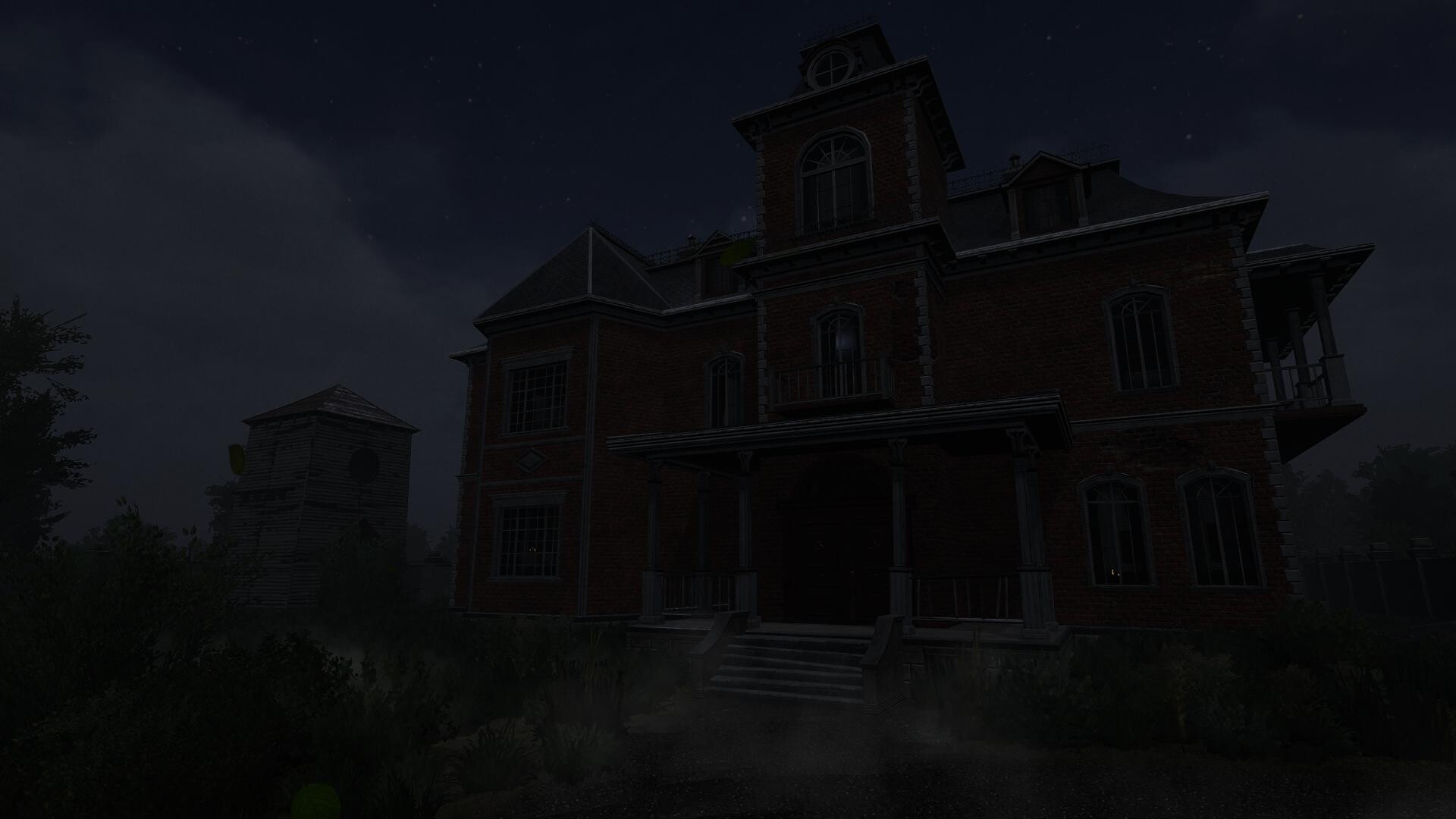
Trace of the Villa is a slow-burning, clue-driven PC mystery built around exploration of a remote, decaying mansion and a protagonist searching for a missing sister. Released on 28 May, 2026 by Steadyturtle Co., Ltd., the game positions itself for players who prefer environmental storytelling, narrative puzzle design, and atmospheric investigation on Steam.

Quick facts
| Title | Trace of the Villa |
|---|---|
| Release date | 28 May, 2026 |
| Developer / Publisher | Steadyturtle Co., Ltd. |
| Genres | Action, Adventure, Indie |
| Steam categories | Single-player; Color Alternatives; Custom Volume Controls; Playable without Timed Input; Subtitle Options; Family Sharing |
| Store page | Trace of the Villa on Steam |
What the game is (official premise)
According to the Steam listing, “Jin has spent years searching for his missing sister, pursuing leads that took him to a remote, decaying mansion where he recovered manifests and hints that indicate his sister may still be alive, somewhere at the end of the trail he is about to follow.” That setup drives a mystery investigation that unfolds as you restore systems, find encrypted fragments, and follow financial and identity clues hidden inside an isolated estate.
When and where you can play
Trace of the Villa launched on Steam on 28 May, 2026. It’s presented on PC via the Steam store page and listed under Action / Adventure / Indie with single-player and accessibility-friendly categories such as subtitle options and controls for timed input.
Why its mansion mystery matters
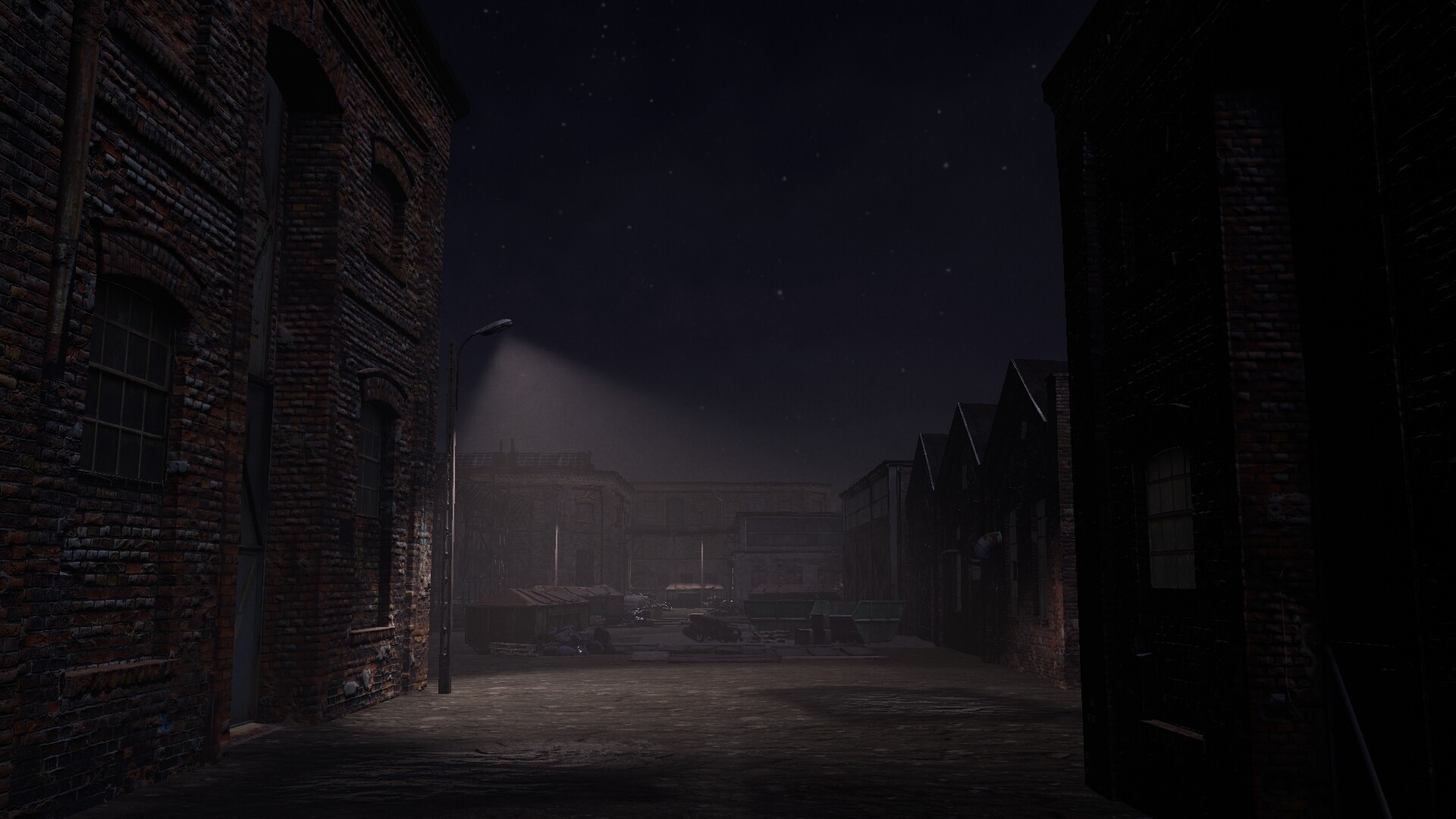
The Steam description emphasizes a house that feels “less abandoned than erased”: furnished rooms with missing identities, locked doors, and secured systems that reveal operation-like evidence when power is restored. For players drawn to psychological investigation and slow-burn atmospheric tension, that kind of environmental storytelling — where setting, documents, and recovered systems act as the primary storytellers — is the core appeal.
How you progress — clues, systems, and pacing
Progress appears tied to exploration and restoration: restoring power reactivates systems, opens hidden compartments, and lets Jin read encrypted documents and manifests. The game’s Steam categories (subtitle support, playable without timed input) and its emphasis on manifests, safes, and institutional traces suggest a pace that favors careful inspection over twitch reflexes: expect clue-driven exploration, puzzle sequences that unlock new narrative fragments, and an investigative loop of examine → restore → decode → follow the next lead.
Who this is for — specific player scenarios
- If you enjoyed slow, first-person immersion like Amnesia or Layers of Fear and want a narrative anchored to investigative documents rather than jump scares, Trace of the Villa is a likely match.
- If you prefer puzzle-and-clue games that reward methodical note-taking and system restoration over fast combat, the game’s focus on manifests, safes, and encrypted records will be appealing.
- If environmental storytelling (rooms that imply vanished lives, falsified identities, financial trails) is what pulls you into a mystery, the mansion-as-evidence approach should satisfy you.
- If you need accessibility and steady pacing — subtitles available and options to avoid timed inputs — this will suit players who want atmosphere without tight twitch mechanics.
- If you’re primarily a point-and-click puzzle fan (e.g., Rusty Lake Hotel or The Room), Trace of the Villa may overlap on tone but leans more toward exploration and system-based investigation than isolated lockboxes.
How it compares to nearby mystery/adventure picks
Below is a concise editorial comparison focused on tone, puzzle focus, exploration style, and player fit—intended to help you decide whether to wishlist Trace of the Villa or pick a different mystery experience.
| Game | Core appeal | Exploration / Puzzle focus | Tone / Pacing | Release |
|---|---|---|---|---|
| Trace of the Villa | Mansion-based investigation built around recovered manifests and restored systems | Environmental clues, system restoration, encrypted documents | Slow-burn, investigative, atmosphere-first | 28 May, 2026 |
| Amnesia: The Dark Descent | Immersive first-person survival horror and atmosphere | Exploration with survival elements and emergent dread | Claustrophobic, tense, immersion-heavy | 8 Sep, 2010 |
| SOMA | Sci-fi horror that foregrounds existential questions under water | Exploration and narrative-driven puzzles in a confined setting | Slow, philosophical, unsettling | 21 Sep, 2015 |
| Layers of Fear (2016) | Psychological first-person mansion exploration focused on storytelling | Atmosphere-led exploration with shifting environments | Psychological, surreal, variable pacing | 15 Feb, 2016 |
| The Room | Hermetic puzzle box experience with tactile puzzles | Focused mechanical puzzles and lockboxes | Dense, puzzle-focused, deliberate | 28 Jul, 2014 |
| Rusty Lake Hotel | Point-and-click, compact episodic puzzles with a dark tone | Short, sharp puzzle sequences and surreal scenarios | Concise, eerie, puzzle-centric | 29 Jan, 2016 |
Deciding checklist — should you wishlist it?
- Wishlist if you want a Steam indie mystery that privileges investigation, documents, and restoring systems to unlock narrative layers.
- Consider alternatives if you prefer pure mechanical puzzle boxes (The Room) or shorter point-and-click episodes (Rusty Lake Hotel).
- Expect a mood-driven experience rather than overt action-packed sequences—genres list includes Action, Adventure, Indie, but the Steam description emphasizes exploration and evidence-gathering.
YouTube discovery
Looking for trailers or gameplay clips? Use this YouTube search URL to locate gameplay footage and trailers (useful if you want to check pacing and visual tone): Search Trace of the Villa on YouTube.
Leave a Reply