
Trace of the Villa: why quiet dread and the psychology of an empty mansion matter more than shock claims
Trace of the Villa leans on silence, absence and slow discovery to generate its dread: you play Jin, a person who has spent years searching for his missing sister and follows a trail to a remote, decaying mansion that holds unsettling signs of past occupancy. Released on 28 May, 2026 by Steadyturtle Co., Ltd., the game favors environmental storytelling and clue-driven exploration over loud jump scares.

What Trace of the Villa is
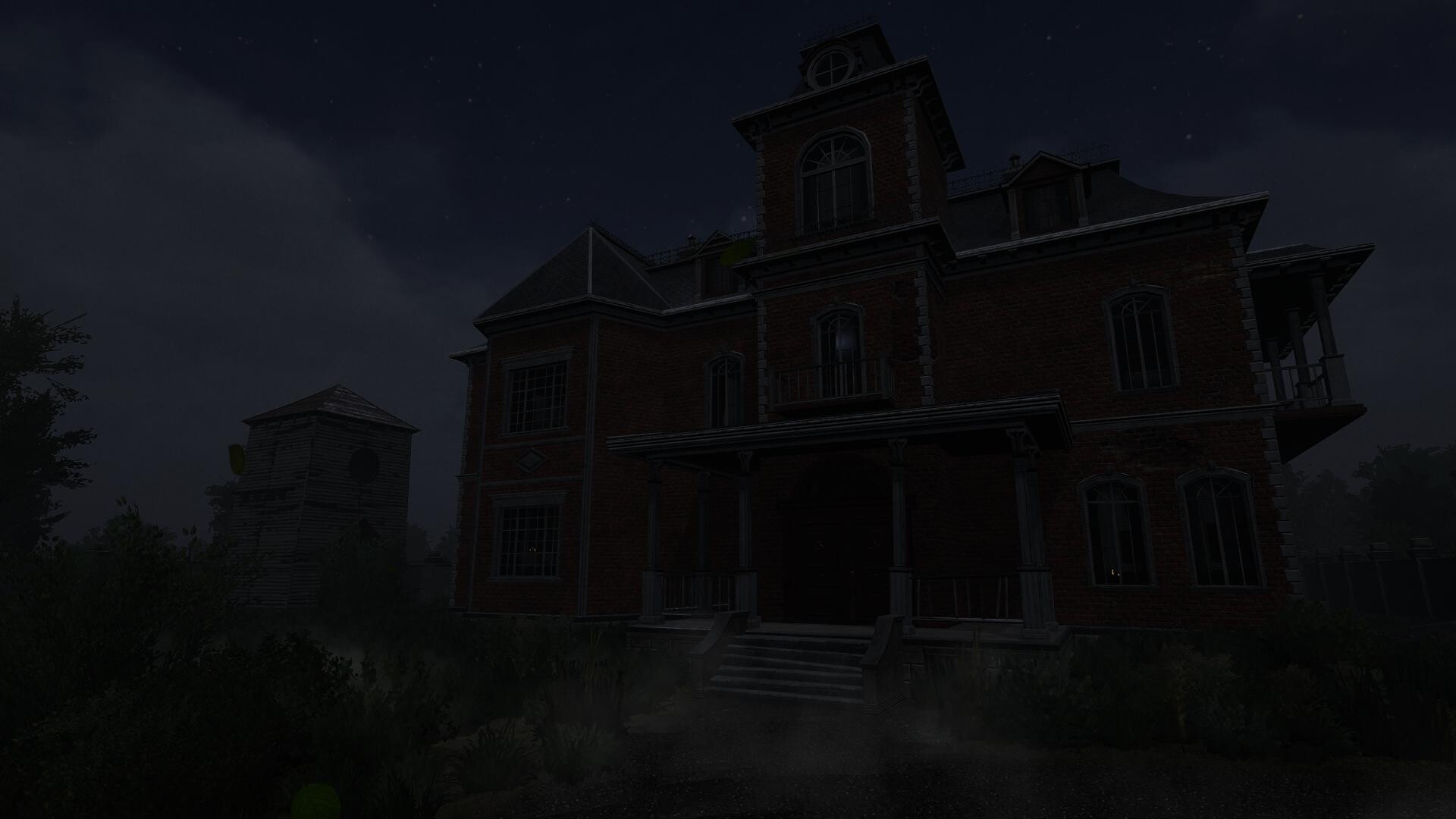
Trace of the Villa is a Steam indie title (genres listed as Action, Adventure, Indie) built around a narrative investigation. The protagonist, Jin, arrives at a decaying mansion that appears deliberately forgotten. Rooms look inhabited yet emptied of identity—no photographs, no names—creating a premise where the house itself feels like the central antagonist. As the description on Steam explains, restoring power to the estate brings locked systems back online, opens hidden compartments, and yields encrypted documents and transfer records that slowly reveal a concealed operation.
Who it’s for
- Players who prefer slow-burn suspense and atmospheric mystery to frequent jump scares.
- Fans of environmental storytelling and exploration-focused puzzles that reward careful observation.
- People who enjoy narrative puzzle design and piecing together timelines from found documents and locked safes.
- Anyone who values mood, tone and the psychological pressure of uncertainty in a single-player context.
When and where
Trace of the Villa launched on Steam on 28 May, 2026. The Steam store lists Steadyturtle Co., Ltd. as both developer and publisher and classifies the game under Single-player, Color Alternatives, Custom Volume Controls, Playable without Timed Input, Subtitle Options, and Family Sharing.
Why quiet dread and uncertainty matter more than shock claims
Psychological horror that trades on absence—empty chairs, half-prepared meals, locked doors that hide paperwork—uses the imagination against the player. The mansion in Trace of the Villa is framed not as a stage for sudden shocks but as a machine for erasure: identities removed, records falsified, and movements masked. That sustained uncertainty keeps a player’s attention taut because every new clue changes what you think happened, rather than simply delivering a memorably loud scare and moving on.
How progression and clues work
The Steam description outlines how mechanics support the tone: restoring power reactivates secured systems, hidden compartments are revealed, safes yield fragments of encrypted documents and suspicious transfer records. Progression is therefore driven by exploration, restoration of systems, puzzle solving and reading the traces left behind. The payoff comes from assembling those fragments into a coherent timeline rather than surviving scripted encounters.

Player scenarios — who should wishlist it
- The methodical investigator: You like to read every document and revisit rooms after unlocking systems; you get satisfaction from assembling timelines and decrypting fragments.
- The atmosphere-first player: You prefer immersion and mood over combat intensity; a single long session in a dimly lit room, headphones on, is your ideal playtime.
- The narrative puzzle solver: You enjoy puzzles that are woven into story beats—open a safe, read a ledger, and gain new context that reframes earlier rooms.
Compact facts: Trace of the Villa
| Title | Trace of the Villa |
|---|---|
| Steam App ID | 3483660 |
| Release date | 28 May, 2026 |
| Developer / Publisher | Steadyturtle Co., Ltd. |
| Genres | Action, Adventure, Indie |
| Notable Steam categories | Single-player; Color Alternatives; Custom Volume Controls; Playable without Timed Input; Subtitle Options; Family Sharing |
How it compares to nearby psychological/mansion mysteries
Below is an editorial comparison on lawful criteria—genre, tone, puzzle emphasis, exploration style and pacing—so you can decide which experience matches your tastes.
| Title | Genre / Core focus | Atmosphere | Puzzle focus | Exploration style | Pacing / Tone |
|---|---|---|---|---|---|
| Trace of the Villa | Action / Adventure / Indie — narrative investigation | Decaying mansion, erased identities, quiet dread | Clue-driven puzzles tied to restoring systems and unlocking compartments | Careful room-to-room examination; environmental storytelling | Slow-burn, uncertainty-driven |
| Amnesia: The Dark Descent | Action / Adventure / Indie — first-person survival horror | Claustrophobic, oppressive immersion | Puzzles mixed with sanity mechanics and stealth | Exploration with a strong emphasis on immersion and survival | Relentless and tense, often immediate threat-driven |
| SOMA | Action / Adventure / Indie — sci-fi psychological horror | Underwater, existentially unsettling | Puzzles integrated with narrative and atmosphere | Exploration of a hostile, story-rich environment | Thoughtful, existential dread with intermittent tension |
| Layers of Fear (2016) | Adventure / Indie — first-person psychological horror | Dreamlike Victorian mansion, shifting reality | Environmental and narrative puzzles; surreal sequences | Rooms that change and
Steam pageView Trace of the Villa on Steam YouTube discoveryFor trailer and gameplay discovery, use YouTube search rather than relying on unverified embeds: Find Trace of the Villa trailer and gameplay searches on YouTube. CommentsMore posts |
Leave a Reply