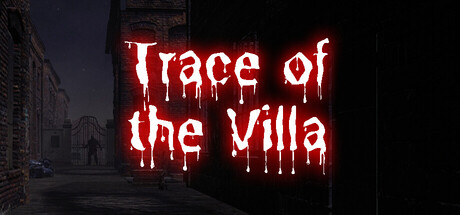
Trace of the Villa — an intimate, clue-driven mansion mystery
Trace of the Villa is an atmospheric mystery adventure about Jin, a man who has spent years searching for his missing sister and follows a new lead to a remote, decaying mansion where manifests and hints suggest she may still be alive. Released on 28 May, 2026 and developed/published by Steadyturtle Co., Ltd., the game frames its investigation as a slow-burn psychological inquiry into erased identities and carefully concealed operations.

What is Trace of the Villa?
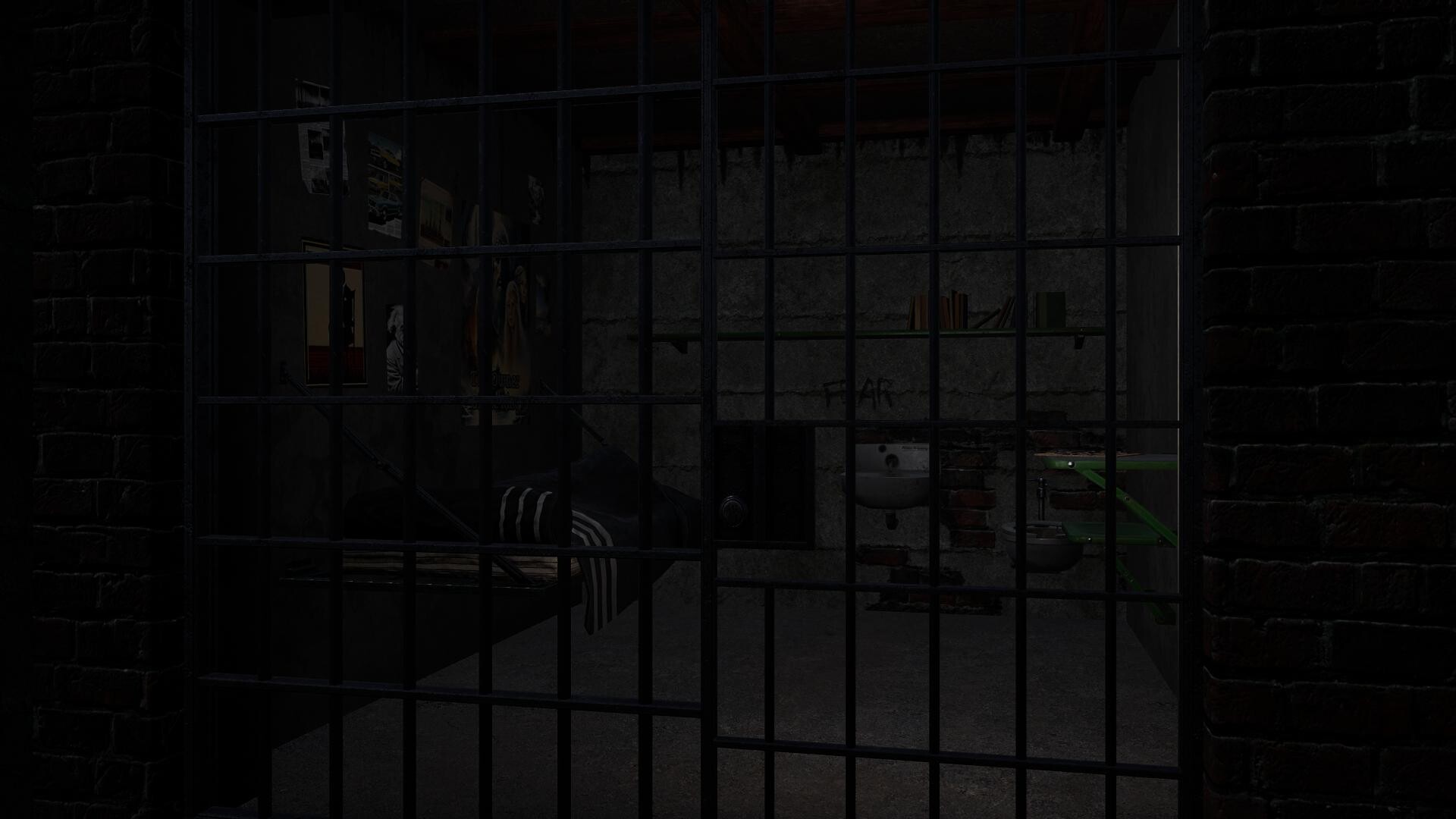
At its core, Trace of the Villa is a story-rich Action/Adventure indie on Steam in which you play Jin, investigating a property cut off from the grid that feels “less abandoned than erased.” The estate is furnished as if occupants vanished mid-routine; locked doors and secured systems hide fragments of encrypted documents, falsified identities, and suspicious transfer records. The Steam page frames the game as a narrative puzzle of restoration — restore power, unlock hidden compartments, and follow a financial and personal trail toward answers.
Who is this for?
- Players drawn to environmental storytelling and mansion mysteries: those who prefer finding clues in rooms, objects, and recovered systems rather than explicit exposition.
- Fans of slow-burn suspense and psychological investigation who value emotional stakes (a protagonist with a personal quest) over constant spectacle.
- PC/Steam players who favor single-player indie experiences with accessibility options — Trace of the Villa lists categories such as Single-player, Color Alternatives, Subtitle Options, and Playable without Timed Input.
When and where is it available?
Trace of the Villa launched on Steam on 28 May, 2026. It’s developed and published by Steadyturtle Co., Ltd. and appears in Steam’s Action / Adventure / Indie taxonomy with the categories and accessibility options noted on its store page.
Why the theme matters: narrative hook and emotional stakes
The Steam description emphasizes an emotional through-line: Jin’s search for his sister turns what might be a standard exploration into a personal stake-driven investigation. That setup gives every recovered manifest, encrypted fragment, and reactivated system more weight — each discovery could be a step closer to family or another painful dead end. The narrative hook is curiosity plus urgency: the mansion’s systematic erasure of identity suggests a larger operation, so the emotional stakes are both intimate (a missing sister) and structural (a secretive apparatus that manipulates people’s lives).
How you play: reading clues and progressing
Trace of the Villa presents progress as clue-driven exploration and puzzle resolution tied to the estate’s systems. The official description notes mechanics like restoring power to the estate, watching secured systems come back online, unlocking hidden compartments, and decoding encrypted documents and transfer records. The design language on Steam points to environmental investigation and narrative puzzle design rather than timed reflex challenges — the game lists “Playable without Timed Input” among its categories.

Player scenarios — who will enjoy Trace of the Villa
- Quiet-investigator: You like to comb through rooms, piece together timelines from objects and documents, and feel rewarded when disparate clues snap into a narrative whole.
- Emotional-story seeker: You want a protagonist with a clear personal motivation (Jin searching for his sister) so that discoveries carry emotional weight rather than being purely intellectual puzzles.
- Atmosphere-first player: You prefer slow-burn suspense and mood over jump scares or fast action; the mansion’s “erased” feel and the methodical restoration of systems are the main engines of tension.
- Puzzle-focused explorer: You appreciate puzzles that connect to the environment and story (locked doors, encrypted documents, power systems) rather than abstract minigames with no narrative tie.
Compact facts — Trace of the Villa
| Title | Trace of the Villa |
|---|---|
| Steam appid | 3483660 |
| Release date | 28 May, 2026 |
| Developer | Steadyturtle Co., Ltd. |
| Publisher | Steadyturtle Co., Ltd. |
| Genres | Action, Adventure, Indie |
| Categories | Single-player; Color Alternatives; Custom Volume Controls; Playable without Timed Input; Subtitle Options; Family Sharing |
| Store header | Visit Trace of the Villa on Steam |
How Trace of the Villa compares — editorial discovery
Below is a focused comparison with games that share some editorial DNA (mystery, atmospheric exploration, narrative puzzle emphasis). This is an editorial-side-by-side on lawful criteria like atmosphere, pacing, and puzzle style — not a ranking or endorsement.
| Title | Similarities | Differences | Who it suits |
|---|---|---|---|
| Inscryption | Both use slow-unfolding secrets and a sense of unease; strong focus on discovery and concealed systems. | Inscryption blends card mechanics and meta-horror into its structure; Trace of the Villa centers on environmental investigation and restoring estate systems. | Players who like psychological layers and emergent reveals (Inscryption) vs. players preferring room-by-room environmental investigation (Trace). |
| Outer Wilds | Both reward piecing together timelines and information discovered through exploration. | Outer Wilds is an open-world planetary puzzle with a time-loop framing; Trace of the Villa is a contained mansion investigation with personal stakes (Jin’s search). | Explorers who enjoy systemic mysteries across spaces (Outer Wilds) vs. focused, intimate mansion mysteries (Trace). |
| Journey | Shared emphasis on atmosphere and tone-driven progression rather than combat-heavy pacing. | Journey is a minimalist, movement-driven odyssey that’s largely non-verbal; Trace uses document-based clues, encrypted records, and a narrator-driven premise. | Players seeking contemplative, mood-first play (Journey) vs. those wanting textual archives and investigative puzzles (Trace). |
| The Forgotten City | Both are narrative puzzles with moral/structural implications and a focus on unraveling a larger scheme. | The Forgotten City uses time-manipulation and social consequence puzzles in an ancient setting; Trace remains rooted in modern documents, falsified identities, and a personal missing-person thread. | Players who enjoy narrative-driven moral puzzles (Forgotten City) vs. players preferring evidence-based investigative pacing (Trace). |
| The Medium | Shared psychological tone and exploration of trauma/echoes in built environments. | The Medium uses dual-reality mechanics and overt supernatural themes; Trace emphasizes erased identity, encrypted records, and a human-scale conspiracy feel. | Fans of psychological exploration with supernatural framing (The Medium) vs. those seeking grounded, investigative storywork (Trace). |
Narrative hook, player motivation, and emotional stakes — editorial take
Trace of the Villa sells itself on premise and mood: Jin’s search converts curiosity into obligation. The narrative hook is simple but effective — a missing sister and a house that appears intentionally scrubbed of identity. Player motivation will come from two impulses: the intellectual satisfaction of reconstructing systems and timelines, and the emotional desire to know what happened to someone connected to the protagonist. That dual pull — clue-driven gameplay serving an intimate quest — defines the game’s emotional stakes.
YouTube discovery
YouTube discovery
For trailer and gameplay discovery, use YouTube search rather than relying on unverified embeds: Find Trace of the Villa trailer and gameplay searches on YouTube.
Leave a Reply