
Trace of the Villa — a slow-burn, locked-room mystery built around power, doors, and evidence
Trace of the Villa puts you in Jin’s shoes: a longtime search for a missing sister that leads to a remote, decaying mansion where the house itself hides a trail of erased lives. The game’s investigative loop—restore power, unlock rooms, and reconstruct fragments of evidence—rewards players who read environments like case files and follow clue chains rather than reflex or combat prowess.

Quick facts
| Title | Trace of the Villa |
|---|---|
| Developer | Steadyturtle Co., Ltd. |
| Publisher | Steadyturtle Co., Ltd. |
| Genres | Action, Adventure, Indie |
| Categories (Steam) | Single-player; Color Alternatives; Custom Volume Controls; Playable without Timed Input; Subtitle Options; Family Sharing |
| Release date | 28 May, 2026 |
| Steam page | Open Trace of the Villa on Steam |
Who this is for
If you prefer atmospheric mystery adventure and patient, clue-driven exploration over twitchy combat, Trace of the Villa targets that playstyle. Players who enjoy environmental storytelling and psychological investigation — those who like their puzzles anchored in a narrative timeline and who savor reading a room for deliberate, layered details — will find the premise appealing. The Steam categories (Single-player, subtitle options, and playable without timed input) underline a design leaning toward thoughtful play rather than arcade pressure.
What the game is (and where it leans)
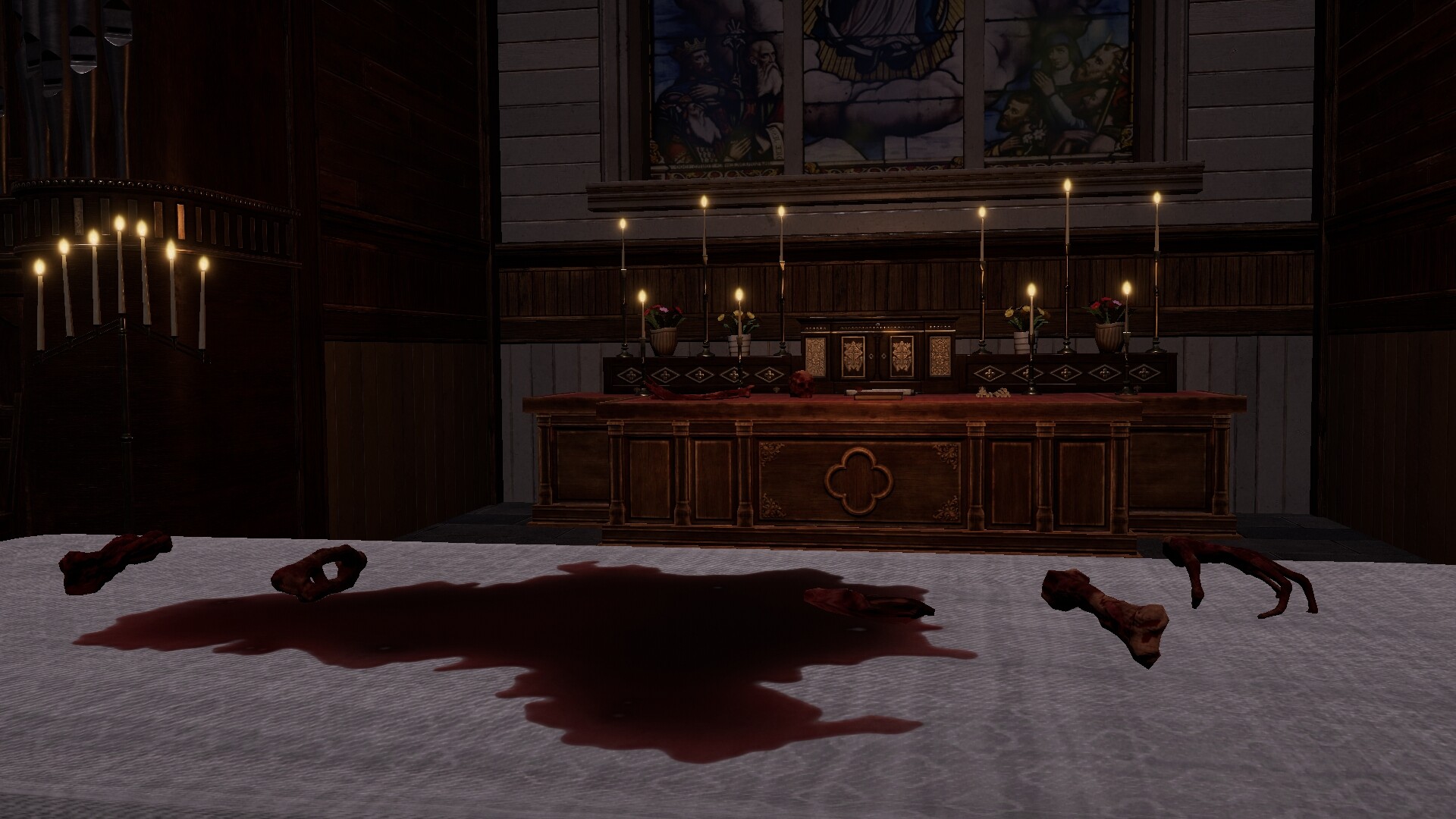
At its core the game positions Jin as an investigator piecing together a fractured trail after finding manifests and hints inside a decaying mansion. According to the official Steam description, the estate is cut off from the grid and feels “less abandoned than erased”: furnished rooms with missing identities, locked doors hiding secured secrets, and deliberately scrubbed records. When Jin restores power, secured systems come back online, hidden compartments unlock, and safes yield fragments of encrypted documents and suspicious transfer records — revealing a pattern of arrivals without records and departures without witnesses.

When and where — Steam context
Trace of the Villa released on 28 May, 2026 and is available on Steam. The developer and publisher are Steadyturtle Co., Ltd. The Steam store listing groups it under Action, Adventure, Indie and tags features that favor accessibility and pace control (for example, options for subtitles and play without timed input).
Why the power-and-unlock gameplay loop matters
This game’s central mechanical metaphor—restoring power to illuminate secrets—does more than flip lights on. It stages discovery as an iterative, environmental read: once circuits reactivate, devices boot, logs appear, safes open, and the house starts to reveal administrative traces that were intentionally suppressed. That structure converts locked-room thinking into a temporal chain: one restoration reveals new evidence, that evidence suggests another secured node to unlock, and so on. For players who enjoy tying physical puzzles to documentary fragments, this loop turns exploration into forensic work.
How you progress: reading spaces and piecing evidence
Based on the Steam description, progression is less about inventory min-maxing and more about reconstructing a timeline from scattered artifacts. The flow the game sets up is straightforward and narratively purposeful:
- Restore power or systems to reactivate parts of the mansion.
- Follow newly accessible systems and unlocked compartments to find manifests, encrypted fragments, and transfer records.
- Use those documentary fragments and environmental cues to build a timeline—arrivals, departures, and identities masked by falsified records.
- Uncover the larger operation hinted at by falsified identities and masked movements, with Jin’s missing sister as the personal stake that drives the investigation forward.
That sequence encourages players to treat each room like an evidentiary scene: who used this desk, what was erased, and which locked door connects to the next clue—an appealing rhythm for escape-room style puzzlers and players who favor narrative puzzle design over constant action.
Player scenarios — who will get the most from Trace of the Villa?
- Crime-fiction players who prefer methodical forensic reads: you’ll like building a timeline from small, bureaucratic clues rather than relying on overt plot beats.
- Atmosphere-first adventurers: if the slow-burn mansion mystery and environmental storytelling are your things, the premise of an estate that “feels erased” will fit.
- Puzzle fans who enjoy chained discoveries: the restore-power → unlock → recover-evidence loop rewards pattern recognition and patient synthesis.
- Accessibility-minded players: Steam categories note subtitle options and “playable without timed input,” which suits players who want to take time with puzzles and narrative text.
How it compares to nearby mystery/puzzle experiences
Below is a concise editorial comparison that focuses on what matters when choosing a mystery/puzzle title: genre, atmosphere, puzzle emphasis, exploration style, story tone, and pacing. These are editorial observations based on the public descriptions of each title.
| Title | Genre | Atmosphere & story tone | Puzzle focus | Exploration style | Pacing / Player fit |
|---|---|---|---|---|---|
| Trace of the Villa | Action, Adventure, Indie | Slow-burn mansion mystery; erased identities and institutional concealment | Clue chains tied to restored systems and evidence reconstruction | Room-by-room, locked-room thinking unlocked by systems | Deliberate; best for players who prefer narrative puzzle design |
| The Room | Adventure, Indie | Mysterious, tactile curiosity; single-room, focused tension | Mechanical safes and object puzzles with an emphasis on tactile problem solving | Concentrated, single-room puzzle progression | Compact and puzzle-centric; good for players wanting dense mechanical puzzles |
| The Room Two | Adventure, Indie | Expands the same eerie, isolated tone across multiple set pieces | Layered object and contraption puzzles continuing the mechanical focus | Multi-location but still puzzle-box centric | Similar to the first but broader in scope; for players who liked the original |
| Escape Simulator | Adventure, Casual, Indie, Simulation | Bright, interactive, player-driven rooms (community-made content) | Highly interactive object manipulation and sandbox puzzle solving | Varied—thousands of rooms and user-created levels | Great for social or sandbox escape-room fans and those who like mechanical freedom |
| Hi‑Fi RUSH | Action | Energetic, music-driven, playful tone (rhythm-meets-action) | Combat and rhythm-based mechanics rather than traditional puzzles | Action-oriented set pieces and levels | Fast-paced; not aimed at players seeking slow investigative mystery |
YouTube discovery
Looking for trailers or gameplay footage? Search results for Trace of the Villa can be
YouTube discovery
For trailer and gameplay discovery, use YouTube search rather than relying on unverified embeds: Find Trace of the Villa trailer and gameplay searches on YouTube.
Leave a Reply