
Trace of the Villa — a slow-burn mansion mystery built on missing-person stakes
Jin has spent years searching for his missing sister, and a lead has taken him to a remote, decaying mansion filled with manifests and hints that she may still be alive. Trace of the Villa positions that personal hunt at the center of a puzzle-forward exploration where restoring power and uncovering encrypted documents gradually reveals a concealed operation.

Who this is for
If you favor story-rich indie adventures that lean into environmental storytelling and mystery rather than spectacle, Trace of the Villa targets that audience. Players who want character motivation and missing-person stakes driving their investigation — rather than abstract cosmic threats — will find the premise compelling: Jin’s search is personal, and every recovered document inches the truth closer.
What the game is
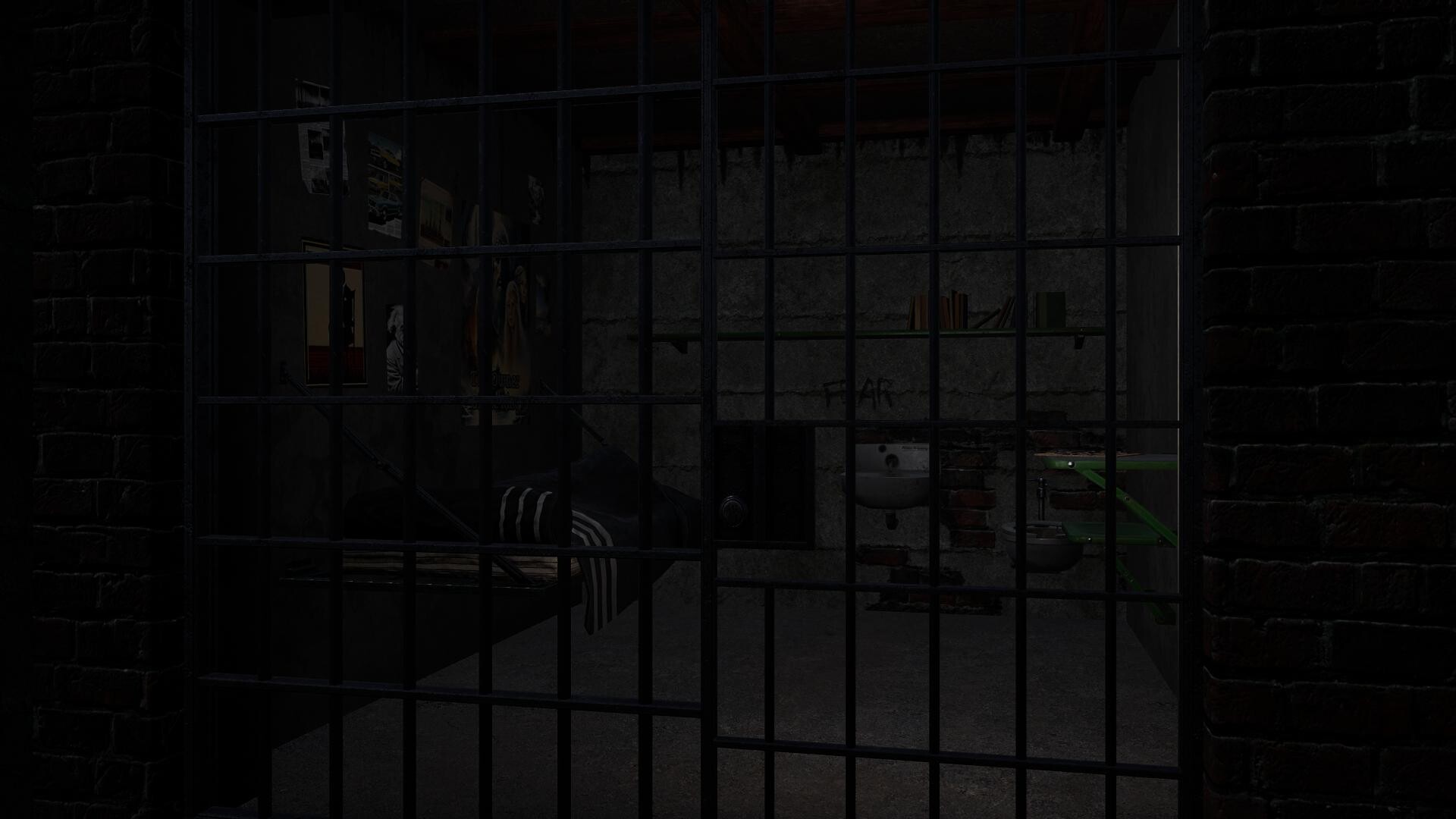
Trace of the Villa is an Action / Adventure / Indie title from Steadyturtle Co., Ltd., described on Steam as a slow-burning investigation into a deliberately forgotten estate. The game opens with Jin arriving at a property cut off from the grid; furnished rooms appear frozen mid-routine, locked doors and missing identities suggest a contained operation, and secured systems and safes yield fragments of encrypted records.

When and where
Trace of the Villa released on Steam on 28 May, 2026 and is available on the Steam store page. It is presented as a single-player title with accessibility options such as subtitle options, custom volume controls, and color alternatives listed on the Steam page.
Why the theme matters—character motivation and stakes
The game centers on a human-scale motive: Jin’s search for his sister. That missing-person premise changes how clues feel; recovered manifests and transfer records are not abstract plot tokens but possible evidence about a real person’s fate. When a story foregrounds one protagonist’s desperation and investment, it nudges exploration toward intimate revelations and makes each unlocked door emotionally resonant.
How you progress: clues, systems and narrative structure
The official Steam description emphasizes restoring estate power and reactivating secured systems as a turning point: when Jin restores power, hidden compartments and safes begin to yield fragments of encrypted documents and suspicious transfer records. Progress appears to be clue-driven—solve puzzles, unlock systems, and follow a financial and identity trail that suggests coordinated movements masked within the mansion. The structure leans on environmental storytelling and investigative puzzle design rather than constant timed action.
Compact facts — Trace of the Villa
| Title | Trace of the Villa |
|---|---|
| Steam appid | 3483660 |
| Release date | 28 May, 2026 |
| Developer / Publisher | Steadyturtle Co., Ltd. |
| Genres | Action, Adventure, Indie |
| Notable categories | Single-player; Color Alternatives; Custom Volume Controls; Playable without Timed Input; Subtitle Options; Family Sharing |
| Store header | Trace of the Villa on Steam |
Which players should wishlist it?
- Players who prefer investigative, narrative-led exploration where missing-person stakes drive the pace.
- Fans of environmental storytelling and slow-burn reveals—those who enjoy reconstructing events from artifacts, manifests, and secured systems.
- Those who like a mix of atmospheric exploration with puzzle and action-adventure elements, and appreciate accessibility options like subtitles and color alternatives.
Player scenarios (concrete examples)
- You’re a detective-adventure fan who enjoys scavenging for context clues and decrypting financial or identity trails to understand what happened to a missing person.
- You’re drawn to tense, isolated settings: exploring an off-grid mansion that feels “erased” and slowly coming to grips with how and why people disappeared appeals to you.
- You prefer a measured narrative tempo—occasional action beats balanced with puzzle-solving and system reactivation rather than constant combat or fast twitch sequences.
How Trace of the Villa compares to nearby mystery and puzzle adventures
Below is a concise editorial comparison focused on genre, atmosphere, exploration style, puzzle focus, and pacing — intended to help you decide where Trace of the Villa might fit in your library.
| Game | Core appeal | Story tone | Exploration style | Puzzle focus |
|---|---|---|---|---|
| Trace of the Villa | Missing-person investigation anchored in a decaying mansion | Personal, intimate, slow-burn | Indoor, estate-scale, document-driven | Environmental puzzles, safes, reactivated systems |
| Inscryption | Card-based odyssey blending meta-narrative and escape-room puzzles | Dark, psychological, subversive | Confined to layered card/room systems | Deckbuilding meets puzzle mechanics and meta-revelation |
| Outer Wilds | Open-world mystery across a solar system with time-loop mechanics | Curious, exploratory, awe-tinged | Open, planetary, discovery-first | Puzzle solved through observation, experiment, and traversal |
| Journey | Atmospheric, minimalist exploration across ruins and sands | Wordless, meditative, emotional | Open and linear landmarks focused | Less puzzle-heavy, focused on movement and discovery |
| The Forgotten City | Narrative-driven time-loop mystery with moral consequences | Philosophical, investigative, consequence-oriented | Confined to a single, explorable location with branching outcomes | Puzzles interwoven with dialogue and moral decisions |
Leave a Reply